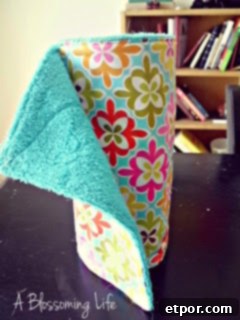
DIY Unpaper Towels: Your Ultimate Guide to Eco-Friendly & Reusable Kitchen Wipes
Creating your own DIY Unpaper Towels is a fantastic opportunity to combine practicality with personal style, all while making a positive impact on the environment. My journey into making these began when my dear friend Sarah mentioned on Facebook that she was hoping for unpaper towels as a wedding gift. She’d found some on Etsy for over $50, plus shipping! Knowing how much I enjoy a good sewing project and love helping friends, I immediately offered to make them for her instead. To my delight, she absolutely adored the idea, and it sparked my passion for sharing this simple, yet incredibly effective, sustainable living hack.
Table of Contents
Toggle
Beyond being a thoughtful gift, these reusable “unpaper” towels are a cornerstone for a more eco-friendly and sustainable household. We are continuously searching for practical ways to lessen our waste and diminish our carbon footprint. This includes initiatives like using cloth diapers, crafting our own cleaning solutions, actively reducing plastic consumption, and even making homemade personal care products. Moreover, I’m quite frugal and have always found buying traditional paper towels to be incredibly wasteful. They’re surprisingly expensive, and you purchase them with the sole intention of immediately discarding them after a single use. It truly feels like throwing money directly into the bin. Making the switch to reusable options like these unpaper towels is a simple yet impactful step that benefits both your wallet and the planet.
Why Choose DIY Unpaper Towels for Your Home?
In today’s world, there are countless opportunities to become more environmentally conscious, and one of the most accessible starting points is to reduce your consumption of single-use products and minimize plastic waste. Single-use items, such as disposable paper towels, are products designed to be used just once before being thrown away. They contribute significantly to unnecessary and excessive landfill waste, which is a growing global concern. While it’s true that sometimes single-use products seem unavoidable, especially in certain circumstances, recognizing their impact is the first step towards finding sustainable alternatives.
When I originally wrote this post, I was a strict adherent to a zero-waste philosophy, believing there was never an appropriate time for a single-use product. However, life, particularly with children, teaches you a valuable lesson in grace and practicality. It’s commendable to be acutely aware of environmental issues and the unsustainable amount of trash we generate. Yet, as individuals, our capacity is finite, and there will be moments when relying on single-use items becomes a necessity. For instance, when we renovated our kitchen, we found ourselves heavily dependent on paper plates and microwaveable meals. It was a tough pill to swallow for my eco-conscious self, but I learned to grant myself grace. We are all striving to do our best with the resources and circumstances we have, aren’t we?
Despite these occasional compromises, incorporating Unpaper Towels into your daily routine is an excellent and highly effective way to significantly reduce your reliance on disposable paper towels and move towards a more eco-friendly lifestyle. They are absorbent, durable, washable, and ultimately a far more sustainable choice for everyday cleanups in the kitchen, bathroom, and beyond. This simple change can lead to substantial long-term savings and a healthier planet.
This post contains affiliate links. Affiliate links help support A Blossoming Life at no extra cost to you.
How To Reduce Plastic Use And Single Use Products
Embracing a lifestyle that minimizes plastic and single-use items doesn’t have to be overwhelming. Small, consistent changes can make a huge difference over time. Here are some actionable tips to get you started on your journey towards a more sustainable home:
- Opt for Reusable Straws: Ditch disposable plastic straws in favor of durable alternatives made from glass, metal, or bamboo. Keep a few in your bag or car for when you’re on the go.
- Pack Your Lunch with Reusable Containers: Instead of relying on disposable plastic bags or containers for your meals, invest in high-quality reusable food storage. These glass containers, for example, are fantastic for keeping food fresh, are microwave-safe, and won’t leach chemicals into your food.
- Switch to Cloth Napkins: Replace paper napkins with stylish and washable cloth napkins. They add a touch of elegance to any meal and are incredibly simple to toss in with your regular laundry.
- Carry a Reusable Water Bottle: Eliminate the need to buy single-use plastic water bottles by always having a reusable glass or metal water bottle with you. Staying hydrated sustainably has never been easier.
- Keep Reusable Silverware Handy: For those times you eat out or grab takeout, avoid plastic cutlery by carrying a personal set of reusable silverware in your car, bag, or office drawer.
- Embrace Beeswax Wraps: Say goodbye to plastic cling film. Beeswax wraps are a natural, reusable, and biodegradable alternative for covering food, wrapping sandwiches, and keeping produce fresh. They are a game-changer for a plastic-free kitchen.
- Choose Reusable Shopping Bags: This might seem obvious, but always remember to bring your own reusable shopping bags when heading to the grocery store or any other retail outlet. Keep a stash in your car and by your door.
- Make Your Own Cleaning Products: As mentioned earlier, concocting your own cleaning solutions often uses simple, natural ingredients that come in recyclable packaging or in bulk, drastically cutting down on plastic bottles and harsh chemicals.
Essential Unpaper Towel Materials
Gathering the right materials is the first exciting step in bringing your DIY unpaper towels to life. The key is choosing fabrics that are both absorbent and durable, ensuring your reusable towels stand up to countless spills and washes. Here’s what you’ll need for this rewarding sewing project:
- Terry Cloth: Approximately 1/2 yard. This forms the highly absorbent side of your unpaper towels, perfect for soaking up spills and tackling tough messes. Look for medium-weight terry cloth for optimal absorbency and durability.
- Cotton or Flannel Fabric: Approximately 1/2 yard. This will be the decorative, softer side of your unpaper towels. Choose a fun print or a solid color that complements your kitchen decor. Flannel offers extra softness and absorbency, while cotton can be crisp and breathable. The amount needed here depends on how many towels you want to make; generally, 1/2 yard will yield about 5-6 towels if cut into 10×10 inch squares.
- Matching Thread: Select a high-quality polyester thread that closely matches the color of your cotton/flannel fabric. Strong thread ensures the longevity of your seams.
- Velcro: You’ll need enough Velcro dots or strips to create attachment points. Alternatively, you can use KAM snaps (plastic snaps) which are often easier and more durable for this type of project. If using Velcro, choose a strong, washable type.
- Optional: Sewing Machine & Basic Sewing Supplies: While technically possible to hand-sew, a sewing machine will make this project significantly faster and result in more professional-looking, durable towels. You’ll also need fabric scissors, pins or fabric clips, a ruler or rotary cutter with a mat, and an iron.
Before you begin, it’s highly recommended to pre-wash and dry both your terry cloth and cotton/flannel fabrics. This step is crucial as it preshrinks the fabric, preventing any distortion or size changes after your unpaper towels are completed and washed for the first time. It also ensures the towels are clean and ready for immediate use once sewn.
Step-By-Step Unpaper Towels Tutorial
Ready to transform your fabric into fabulous, functional unpaper towels? Follow these easy steps to create your own roll of reusable kitchen wonders!
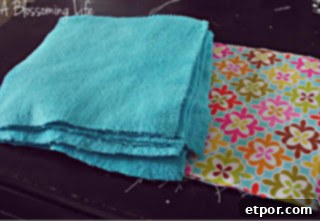
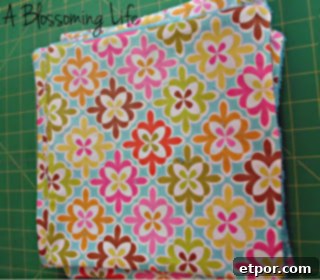
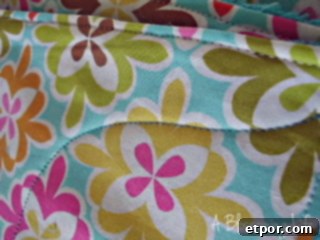
To clarify the placement: on one towel, sew two pieces of the soft Velcro (terry side) on two corners. On the *other* side of the same towel (cotton side), sew two pieces of the rough Velcro on the other two corners that do *not* have Velcro. This configuration ensures that when you stack them, they can attach corner-to-corner to form a continuous strip.
Alternatively, and often much easier and more durable, you can use snaps. If you have a snap applicator (like this one), installing plastic snaps (KAM snaps) is significantly quicker and creates a more robust attachment that holds up better to repeated use and washing. Simply follow the same corner placement logic as with Velcro, ensuring you have the male part of the snap on two corners and the female part on the opposite two corners, so they can link together.
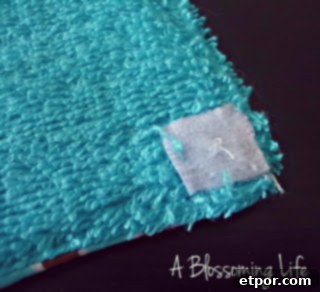
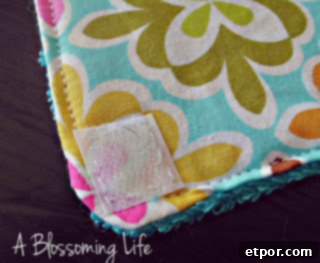
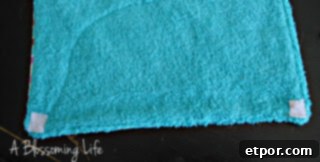
The image above demonstrates the placement of the Velcro. You will sew two pieces of the same type of Velcro (e.g., the soft side) on two corners of one side of the towel. Then, on the reverse side of the towel, you will sew two pieces of the opposite type of Velcro (e.g., the rough side) on the *remaining* two corners that don’t yet have Velcro. This allows each towel to connect seamlessly to the next.
Caring For Your Reusable Unpaper Towels
To ensure your DIY unpaper towels remain absorbent, effective, and beautiful for years to come, proper care is essential. Following these simple washing and drying guidelines will maximize their lifespan and maintain their eco-friendly benefits:
- Washing: Collect used unpaper towels in a designated laundry hamper. When ready to wash, simply toss them into your washing machine with your regular laundry. For best results and to prevent staining, wash them on a warm or hot cycle, especially after tackling tough messes. Avoid using fabric softener, as it can reduce the absorbency of the terry cloth over time. A good quality, eco-friendly detergent is recommended.
- Stain Treatment: For stubborn stains, pre-treat the unpaper towels before washing. A dab of dish soap, a paste of baking soda and water, or an oxygen-based stain remover can work wonders. Allow it to sit for a while before washing.
- Drying: You can tumble dry your unpaper towels on a low to medium heat setting. However, for an even more eco-friendly approach and to prolong fabric life, consider air-drying them. Hang them on a clothesline or drying rack. They dry relatively quickly, especially if made with cotton and flannel. Ensure they are completely dry before re-rolling to prevent mildew.
- Storage: Once clean and dry, simply re-attach the Velcro or snaps and roll them back up onto your paper towel holder. Alternatively, you can stack them neatly in a drawer or a basket for easy access.
By following these care instructions, your handmade unpaper towels will continue to serve your household efficiently, contributing to a significant reduction in waste and providing a reliable, reusable cleaning solution.
Aren’t these unpaper towels incredibly adorable and practical? It was truly satisfying to make them, and I often wish I had kept a set for myself! This project is not only a fantastic weekend activity but also a powerful step towards a more eco-friendly and sustainable lifestyle. Every small change we make contributes to a larger positive impact on our planet.
What initiatives do you undertake in your home to reduce waste and embrace sustainable living? Share your tips and tricks in the comments below!
Need more eco-friendly ideas? Check out these inspiring resources!
- Easy Ways To Live More Sustainably: Dive deeper into practical, everyday habits that can transform your home into an eco-conscious haven.
- Filtering Water at Home: Discover the benefits of filtering your tap water, reducing reliance on plastic bottles, and improving your health.
- Explore our curated Eco-Friendly Gift Guide for Adults and a thoughtful Eco-Friendly Gift Guide for Kids for conscious gift-giving ideas that are good for people and the planet!