Sustainable Summer Homesteading: Bountiful Harvests, Natural Weed Control, and Essential Garden Lessons
Life on our mini homestead has been incredibly vibrant and, dare I say, relentlessly busy lately! The summer sun brings with it an abundance of growth, not just from our cherished crops but also, inevitably, from persistent weeds. This season has truly been a whirlwind of activity, demanding our full attention and a fair share of elbow grease.
The Ongoing Battle Against Weeds: Embracing Natural Solutions
One of the biggest challenges we’ve faced recently has been keeping the weeds in check. For someone who appreciates tidiness and aesthetic order in the garden, seeing vast stretches overtaken by unruly invaders can be incredibly frustrating – almost maddening! The sight of them creeping into every corner of the yard had me feeling truly overwhelmed. So, over the 4th of July weekend, my husband and I dedicated significant time to tackling this persistent problem. We painstakingly pulled weeds by hand, a labor-intensive but deeply satisfying process. We even finally invested in a weed wacker, a much-needed tool that means our kind neighbor no longer has to come to our rescue!
I feel compelled to pause for a moment and express a rather strong opinion. When someone poses the question, “What’s the best way to get rid of weeds?” the response should *never* be, “Just spray a little Round Up on it!” This is simply not the correct answer, people! It’s truly disheartening to think that harming essential pollinators like bees and polluting our precious environment is considered a viable or “best” solution for weed control. The ecological impact of such chemicals is far-reaching and detrimental, affecting not only immediate wildlife but also the long-term health of our soil and water systems. It’s a topic I feel very passionately about. I believe in cultivating a garden that thrives in harmony with nature, not one that relies on harsh chemicals. Okay, stepping off my soapbox now! On that note, I am always eager to hear any natural, organic weeding advice beyond the simple act of pulling. Share your wisdom!
Effective Natural Weed Control Strategies for a Thriving Garden
Beyond the sheer satisfaction of hand-pulling, there are numerous natural and sustainable methods for keeping weeds at bay, ensuring a healthier ecosystem for your plants and the environment:
- Mulching: This is arguably one of the most effective and straightforward methods. A thick layer of organic mulch (like straw, wood chips, shredded leaves, or grass clippings) smothers weed seeds, blocks sunlight, and suppresses their growth. It also helps retain soil moisture and enriches the soil as it breaks down.
- Companion Planting: Strategically planting certain species together can deter weeds. Some plants have allelopathic properties, releasing chemicals that inhibit weed growth, while others simply outcompete weeds for resources by growing densely.
- No-Dig Gardening: Minimizing soil disturbance helps keep dormant weed seeds buried. Tilling brings these seeds to the surface, where they are exposed to light and can germinate.
- Weed Fabric or Cardboard: For larger areas or new garden beds, laying down biodegradable weed fabric or sheets of cardboard topped with mulch can effectively suppress weeds for an extended period. Ensure proper preparation to maximize effectiveness.
- Solarization: In very sunny climates, covering a weed-infested area with clear plastic sheeting for several weeks during the hottest part of summer can “cook” and kill weeds and their seeds by raising soil temperatures to lethal levels.
- Cover Crops: Planting cover crops during off-seasons helps improve soil health, prevent erosion, and, importantly, suppress weed growth by occupying the space and competing for nutrients.
- Regular Cultivation: Shallow cultivation with a hoe or hand tool can effectively remove young weeds before they establish deep root systems or go to seed. Timing is key – catch them young!
Implementing a combination of these methods not only reduces the drudgery of weeding but also contributes to a more resilient, fertile, and environmentally friendly garden.
Bountiful Summer Harvests: A Gardener’s Delight
Despite the ongoing weed skirmishes, our garden has been incredibly generous this season. We’ve been joyfully harvesting an impressive array of produce. Our cucumber plants are prolific, yielding crisp, refreshing cucumbers perfect for salads and, as you’ll soon read, pickling. The zucchini has been equally abundant, leading to numerous creative culinary experiments in the kitchen, from sautéed dishes to baked goods.
Sweet carrots have been pulled from the earth, their vibrant orange signaling their readiness. Our green pepper plants are heavy with developing fruit, promising a colorful addition to our meals. We’ve also been enjoying a delightful second round of sweet, juicy strawberries, a welcome surprise and a true testament to the continuous bounty our small space provides. The green beans are coming in strong, offering a tender crunch with every bite.
The anticipation builds daily as we watch our watermelon patch, hoping to see those beautiful, striped globes ripen soon. And I’m thrilled to report that our Brussels sprouts were finally ready to pick! There’s something uniquely satisfying about harvesting a crop that has taken a long time to mature.
Amidst all this harvesting excitement, I also celebrated a personal milestone: I made my very first batch of homemade pickles! Woo hoo! It was a project I’d been eager to tackle, and the satisfaction of transforming our garden-fresh cucumbers into delicious, tangy pickles was immense. There’s a true sense of accomplishment in preserving your own food.
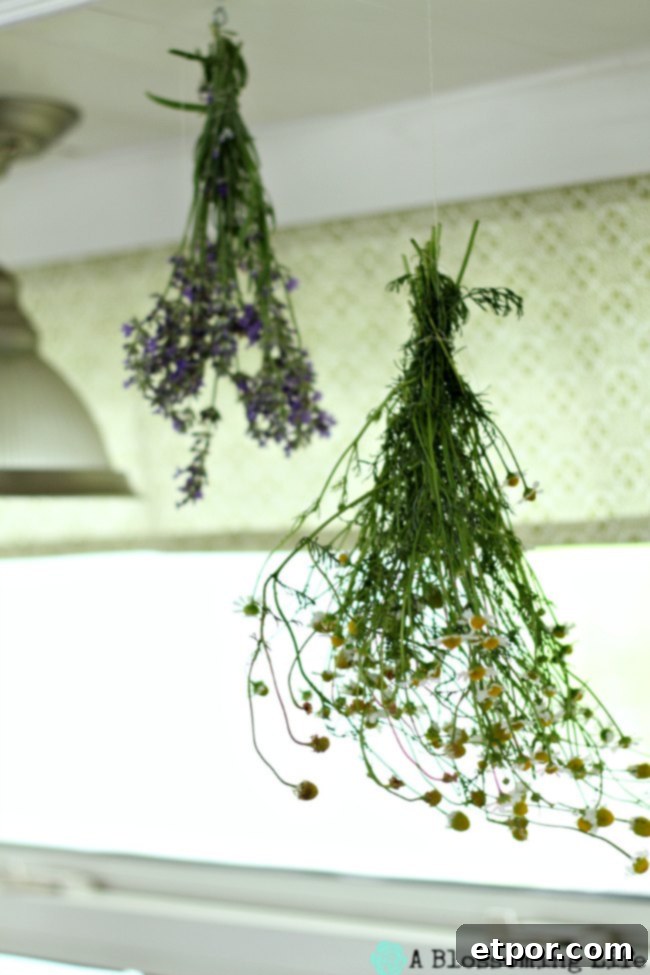
Beyond vegetables, our herb garden is also flourishing. We’ve been harvesting and carefully drying chamomile to make our very own soothing chamomile tea. The process of gathering the delicate flowers, hanging them to air dry, and then watching them transform into fragrant tea-ready herbs is truly magical. It looks and smells absolutely beautiful, filling our home with its calming aroma, and I can’t wait to enjoy a cup made from our own harvest.
And speaking of anticipation, any day now, we should be getting some magnificent, juicy tomatoes! Their vines are heavy with ripening fruit, promising the quintessential taste of summer and fresh garden goodness.
Lessons Learned from the Garden: The Watermelon Takeover
Every gardening season brings new experiences and valuable lessons, and this year has been no exception. A significant lesson I’ve learned, one that I’ll definitely apply next year, centers around plant spacing and the strategic use of vertical growing. I initially designed my garden following the square foot gardening method, which suggests that vining plants like watermelons require a modest 1-2 square feet of space. Well, my friends, I can confidently tell you that estimate might be a tad conservative for the vigorous growth of a true “watermelon monster”!
As you can see from the photo, our garden has been completely taken over by the sprawling tendrils of our watermelon plants. There was supposed to be a clear walkway between the raised beds – a functional path for easy access and navigation. Yeah, not so much anymore! The watermelon vines have consumed every inch of that supposed walkway, creating an impenetrable jungle. Now, to navigate between the beds, I literally have to “ninja” my way through, carefully stepping over and under thick vines, trying not to disturb the developing fruit. It’s both amusing and a clear indicator that I underestimated the sheer expansive power of these plants.
Next year, my strategy for vining plants will be drastically different. I’ll be prioritizing significantly more space, especially for ground-hugging giants like watermelon and pumpkins. More importantly, I’ll be investing heavily in vertical gardening solutions. Trellises, stakes, and cages will become my best friends, encouraging these plants to grow upwards rather than outwards, thereby maximizing precious ground space and keeping pathways clear. This will not only make the garden more manageable but also improve air circulation around the plants, which can help prevent diseases.
The Heart of Our Homestead: A Journey of Gratitude and Abundance
Through all the weeding, harvesting, learning, and occasional “ninja” moves in the garden, one overarching truth has become abundantly clear: how profoundly I love our little homestead. God has blessed us immeasurably with this place, and it’s truly incredible to witness the amount of wholesome food we can produce from such a relatively small space. There’s a deep, intrinsic satisfaction that comes from tending to the earth and seeing it yield its bounty. It’s an amazing feeling to see the tangible benefits and rewards when you pour so much work, sweat, and even a few tears into something. Every cucumber, every carrot, every homegrown pickle represents not just food, but dedication, patience, and a connection to the very source of our sustenance.
Homesteading, even on a mini scale, is more than just growing food; it’s a lifestyle of self-sufficiency, sustainability, and profound gratitude. It teaches resilience, fosters a deep respect for nature’s cycles, and provides an unmatched sense of accomplishment. The journey is continuous, filled with both challenges and triumphs, but the rewards are always worth the effort. It’s a privilege to be able to nourish our family with produce grown with our own hands, knowing exactly where it comes from and the love that went into cultivating it.
What’s been happening around your garden or homestead this season? Have you had any challenging “watermelon monster” moments or celebrated significant harvests?
Other Posts You May Like…
How to Freeze Summer Squash: A Practical Guide for Preserving Your Harvest
Bugs, Bugs, Bugs… Essential Lessons Learned from Garden Pest Management
How to Water Your Garden Properly for Optimal Growth and Health