The Ultimate Guide to Homemade Eggnog: A Creamy, Naturally Sweetened Holiday Tradition
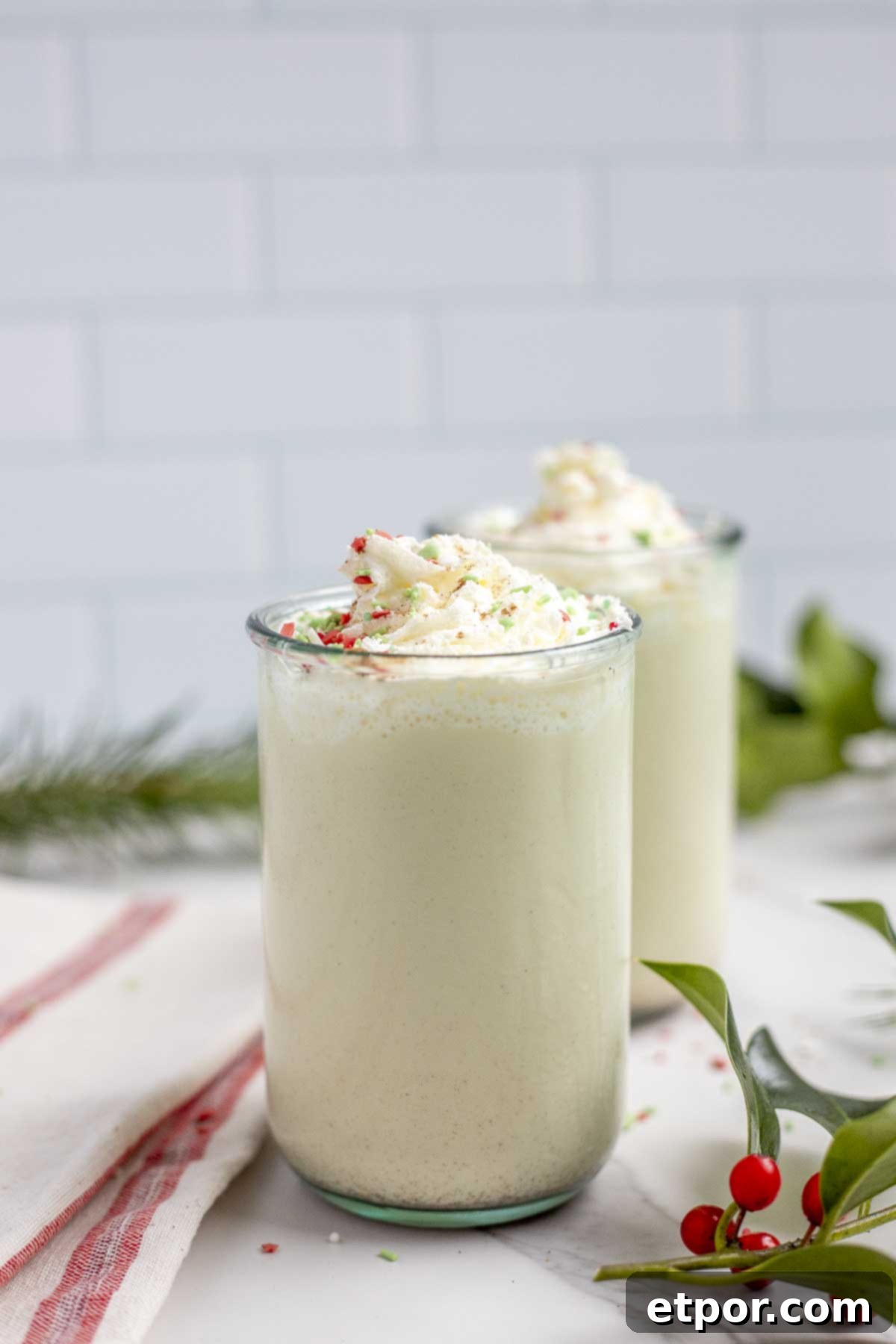
There’s nothing quite like a glass of rich, creamy homemade eggnog to truly capture the spirit of the holiday season. Forget the store-bought versions filled with artificial flavors and preservatives; crafting your own from scratch is a delightful experience that yields a far superior taste. This easy eggnog recipe is designed for maximum flavor and simplicity, ensuring you can whip up a batch of this festive drink in just a few minutes. Naturally sweetened with maple syrup or honey, it’s a healthier, wholesome alternative that the entire family will adore, making it the perfect beverage for Christmas gatherings or cozy winter evenings by the fire.
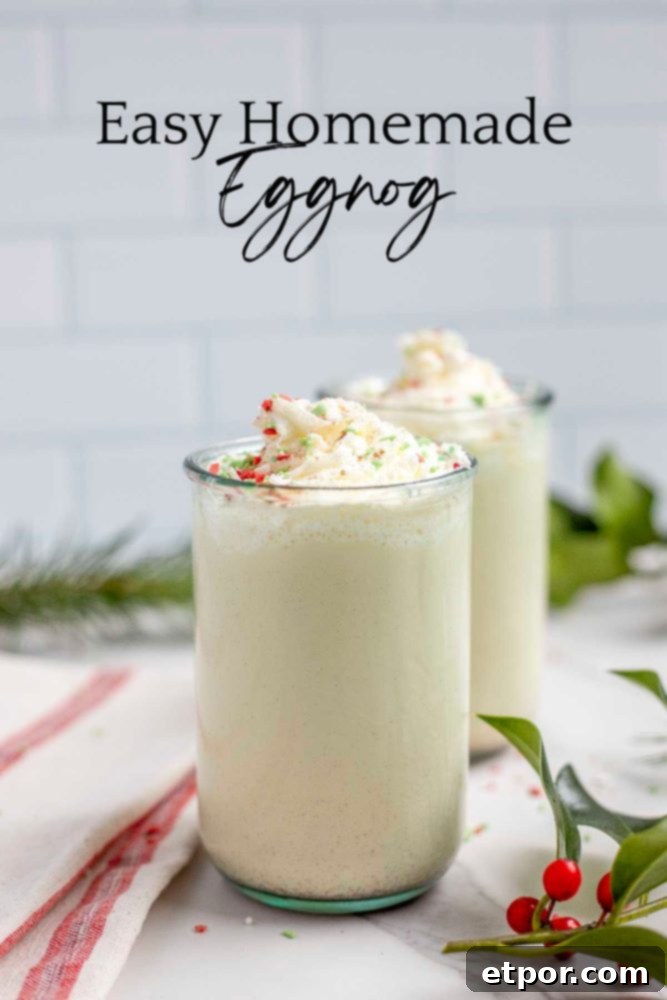
Eggnog, for many, is a drink exclusively reserved for the festive season, primarily enjoyed around Christmas Eve or perhaps when decorating the Christmas tree. It’s a cherished tradition, but one that often makes us wonder: why limit such a delectable treat to just a few weeks of the year? Given that eggs are available year-round, perhaps eggnog should be too! Some traditions are meant to evolve, much like how a classic custard pie, once a holiday-only dessert from grandma’s kitchen, can now be enjoyed any time of the year, especially if you have a fresh supply of eggs.
Making eggnog from scratch isn’t just about breaking free from seasonal constraints; it’s about elevating the experience. Homemade eggnog is incredibly cheap and simple to prepare, yet it offers a depth of flavor that store-bought versions simply cannot match. You get a fresh batch every time, free from the extra ingredients used to prolong shelf life in commercial products. The taste is truly heavenly – creamy, subtly spiced, and wonderfully comforting. Once you try homemade, you’ll understand why it’s worth the minimal effort.
Recipe Highlights: Why This Easy Eggnog is a Must-Try
This homemade eggnog recipe stands out for several reasons, making it an ideal choice for both seasoned cooks and kitchen newcomers alike:
- Effortlessly Simple: This “super easy” recipe truly lives up to its name. You can prepare it in mere minutes, using basic ingredients that are likely already in your pantry or refrigerator. No complicated steps, just pure eggnog enjoyment.
- Unbeatable Flavor: The taste of freshly made eggnog is incomparable. Its rich, creamy texture and balanced traditional flavors far surpass anything you’d find on a grocery store shelf. It’s the classic holiday favorite, perfected in your own kitchen.
- Wholesome Ingredients: With a focus on simple, natural components, this recipe ensures a nourishing and healthy drink. You have full control over the sweetness, allowing you to create a delicious beverage free from unwanted additives.
Expert Tips for Crafting the Perfect Homemade Eggnog
Making your own eggnog at home is a rewarding experience, but a few key tips can ensure your batch is absolutely perfect. Pay close attention to these details for the best creamy, delicious results:
- Focus is Key: When cooking the eggnog mixture, undivided attention is crucial. Distractions can lead to overcooking, which unfortunately results in curdled eggs. Keep your focus on the saucepan and whisk diligently.
- Sweetener Alternatives: While this recipe champions maple syrup or honey for natural sweetness, feel free to substitute with regular granulated sugar if that’s what you have on hand. Adjust the amount to your preferred level of sweetness.
- Egg Safety First: To significantly reduce the risk of salmonella poisoning, ensure your eggnog mixture is heated to 160 degrees Fahrenheit (71 degrees Celsius). This step is non-negotiable for raw eggs. Alternatively, for a quicker preparation (under 5 minutes), opt for pasteurized eggs. These eggs have already undergone a heat treatment to eliminate bacteria, allowing you to blend and serve without cooking. Both methods are effective for food safety. (Source: University of Minnesota Extension)
- Dairy-Free Adaptations: If you’re avoiding dairy, this recipe can be easily adapted. Simply swap out the half-and-half and whole milk for your favorite dairy-free alternatives, such as coconut milk, cashew milk, or even a rich oat milk. While it cannot be made vegan (as it contains eggs, which are not dairy), it can certainly be enjoyed by those with lactose intolerance or dairy allergies.
- Flavor Variations: Beyond classic nutmeg, consider adding a pinch of ground cinnamon, a touch of allspice, or a few drops of rum extract for an extra layer of warmth and holiday cheer. For a gourmet touch, infuse the milk with a vanilla bean pod before blending.
- Leftover Eggnog Delights: Don’t let any leftover eggnog go to waste! It’s fantastic for making an easy homemade eggnog latte. This makes for a perfect, luxurious holiday drink on Christmas morning or any chilly day.
The links in this post contain affiliate links and I will receive a small commission if you make a purchase after clicking on my link. See the full disclosure here.
Frequently Asked Questions About Homemade Eggnog
Here are answers to some common questions about making and enjoying homemade eggnog:
How long does homemade eggnog last?
Homemade eggnog, made with cooked eggs and fresh dairy, typically lasts for about 2-3 days when stored properly in an airtight container in the refrigerator. This is generally shorter than store-bought eggnog, which can last 5-7 days after opening due to added preservatives. Always use your best judgment and check for any off smells or tastes before consuming.
What alcohol goes well with eggnog?
While this recipe is crafted to be delicious as an alcohol-free beverage, eggnog is famously paired with spirits during the holidays. Brandy is the most traditional and common alcohol added, offering a warm, sweet, and fruity note. However, dark rum provides a rich, molasses-like depth, and bourbon contributes a smoky, vanilla, and caramel complexity. Start with a small amount (e.g., 1-2 ounces per serving) and adjust to your taste preferences. Remember to add alcohol after the eggnog has been cooked and cooled.
Can eggnog be frozen?
Yes, eggnog can be frozen, though with some caveats. It’s often suggested that eggnog can be frozen for up to 6 months. When freezing, transfer the eggnog to an airtight container, ensuring you leave a few inches of headspace at the top to allow for expansion. Dairy products can sometimes separate when frozen and thawed, so you might notice a slightly altered texture. A quick whisk or blend after thawing can help restore its creaminess. I haven’t personally tried freezing this specific recipe, so if you do, a small test batch might be a good idea.
What makes eggnog so thick and creamy?
The luxurious thickness and creamy texture of eggnog come primarily from two key components: heavy cream and eggs. The high fat content of half-and-half and whole milk (especially if using whole milk or adding extra cream) contributes significantly to the richness. The magical transformation, however, happens when the eggs are cooked. The proteins in the eggs coagulate and thicken the liquid as it heats, creating that characteristic custard-like consistency. Whisking continuously during this heating process is essential to prevent curdling and achieve a smooth, velvety texture.
What kind of eggs should I use for eggnog?
For homemade eggnog, fresh, high-quality eggs are always best. If you’re concerned about raw eggs, you have two excellent options: either use pasteurized eggs, which are heat-treated to kill bacteria and can be used without cooking, or diligently cook your eggnog mixture to 160°F (71°C) as outlined in the instructions. This ensures the eggs are safe to consume.
Can I make eggnog ahead of time?
Absolutely! In fact, making eggnog a day or two in advance can actually enhance its flavor as the spices have more time to meld with the dairy and eggs. Just be sure to store it properly in an airtight container in the refrigerator. This makes it a fantastic make-ahead option for holiday entertaining, allowing you to focus on other preparations on the day of your event.
Key Ingredients for the Best Homemade Eggnog
Crafting exceptional eggnog begins with selecting quality ingredients. Each component plays a vital role in achieving that rich, creamy, and perfectly spiced flavor profile:
- Half and Half: This dairy product is essential for an extra-rich and luxurious creaminess that defines traditional eggnog. Its balanced fat content contributes significantly to the indulgent texture.
- Whole Milk: Whole milk works in harmony with the half and half, providing a foundational liquid that helps balance the richness while still contributing to the overall creamy mouthfeel. Using whole milk ensures a fuller body compared to skim or low-fat options.
- Honey or Maple Syrup: For natural sweetness, honey or maple syrup are fantastic choices, imparting subtle, complex flavors beyond just sugar. Honey offers floral notes, while maple syrup adds a warm, earthy depth. If neither is available, regular granulated sugar can be used as a straightforward alternative.
- Salt: A small dash of salt, preferably sea salt, is a secret ingredient that doesn’t make the eggnog salty, but rather enhances and balances all the other flavors, making them pop.
- Eggs: Whole eggs are used in this recipe, meaning no separation of yolks and whites is necessary, simplifying the process. For a super-fast version that skips the cooking step, opt for pasteurized eggs. Otherwise, cooking the mixture to a safe temperature is crucial.
- Vanilla Extract: High-quality vanilla extract is indispensable for its warm, aromatic notes. You can use store-bought real vanilla extract or even make your own for a truly exceptional flavor. A hint of rum extract can also be added for a non-alcoholic “spiked” flavor.
- Nutmeg: Freshly grated nutmeg is highly recommended for the most vibrant flavor. Using a microplane allows you to achieve a fine, aromatic powder that elevates the eggnog. Pre-ground nutmeg is also acceptable, but often less potent.
Tools You May Need or Find Useful:
Having the right tools on hand can make the eggnog preparation process even smoother:
- Liquid Measuring Cups: For accurately measuring milk, half-and-half, and sweeteners.
- Whisk: Essential for thoroughly combining ingredients and, most importantly, for continuous whisking during the cooking phase to prevent curdling.
- Saucepan: A medium-sized saucepan is perfect for gently heating the eggnog mixture to the correct temperature.
- Blender: Ideal for achieving a perfectly smooth and creamy consistency without lumps. If you don’t have a blender, a hand mixer with a large bowl or a stand mixer with a whisk attachment can work well.
- 1/2 Gallon Mason Jar or Other Large Glass Jar: (Optional) Excellent for storing your finished eggnog in the refrigerator.
- Thermometer: A crucial tool for ensuring your eggnog reaches the safe temperature of 160°F (71°C), especially when using raw eggs.
How To Make Super Easy Homemade Eggnog: Step-by-Step Instructions
Creating this delicious, creamy eggnog at home is surprisingly simple. Follow these steps for a perfect batch every time:
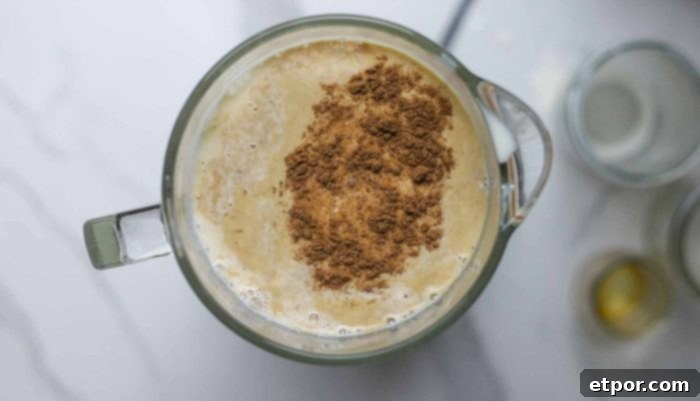
- Combine Ingredients: In a blender, combine all of your ingredients: half & half, whole milk, honey (or maple syrup/sugar), salt, eggs, vanilla extract, and nutmeg.
- Blend for Smoothness: Blend the mixture until it is completely smooth and creamy. This step ensures all ingredients are well incorporated and eliminates any eggy lumps.
- Decide on Cooking Method: If you are using pasteurized eggs, you can skip the cooking process entirely and proceed to chill and serve. However, if you are using raw, unpasteurized eggs, it is crucial to cook the mixture to ensure it is safe to consume.
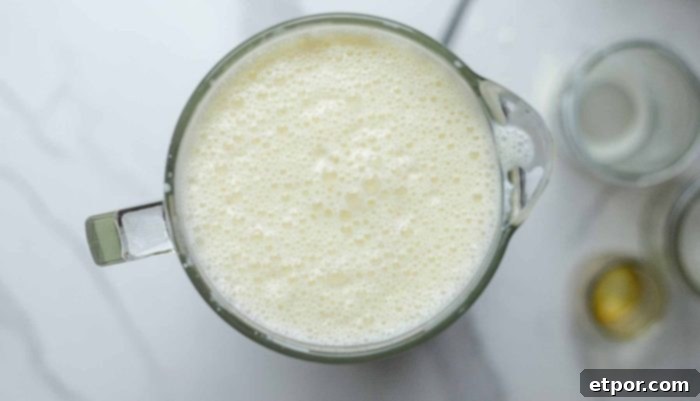
- Transfer to Saucepan: Carefully transfer the blended egg mixture from the blender to a medium saucepan.
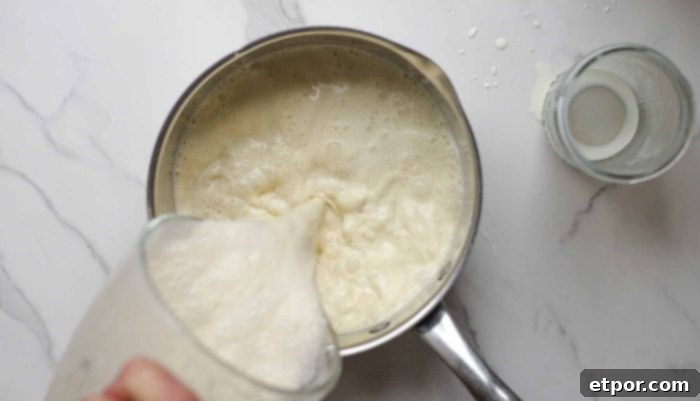
- Gentle Heating: Place the saucepan over medium-low heat. Whisk the mixture frequently and continuously. This constant stirring is vital to prevent the eggs from settling and curdling at the bottom of the pan.
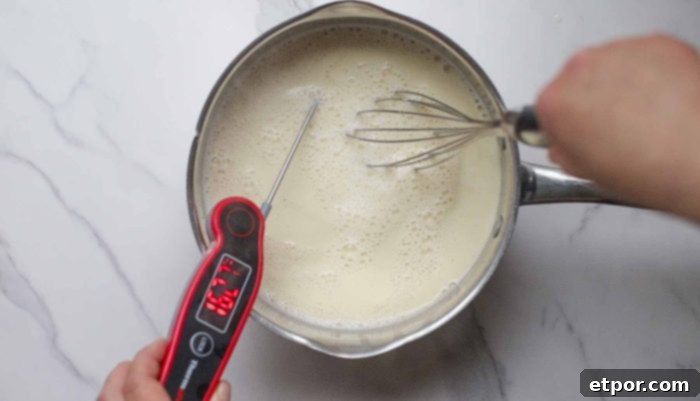
- Reach Safe Temperature: Continue whisking and heating until the mixture reaches 160 degrees Fahrenheit (71 degrees Celsius) on a thermometer. Do not leave the mixture unattended, as it can heat up quickly and curdle if not managed properly.
- Serve or Chill: Once the eggnog reaches the target temperature, you can serve it warm immediately. Alternatively, for a classic chilled eggnog, transfer the hot mixture to an airtight container (exercise caution to avoid burns) and place it in the refrigerator for at least a few hours, or preferably overnight, to cool completely and allow the flavors to deepen.
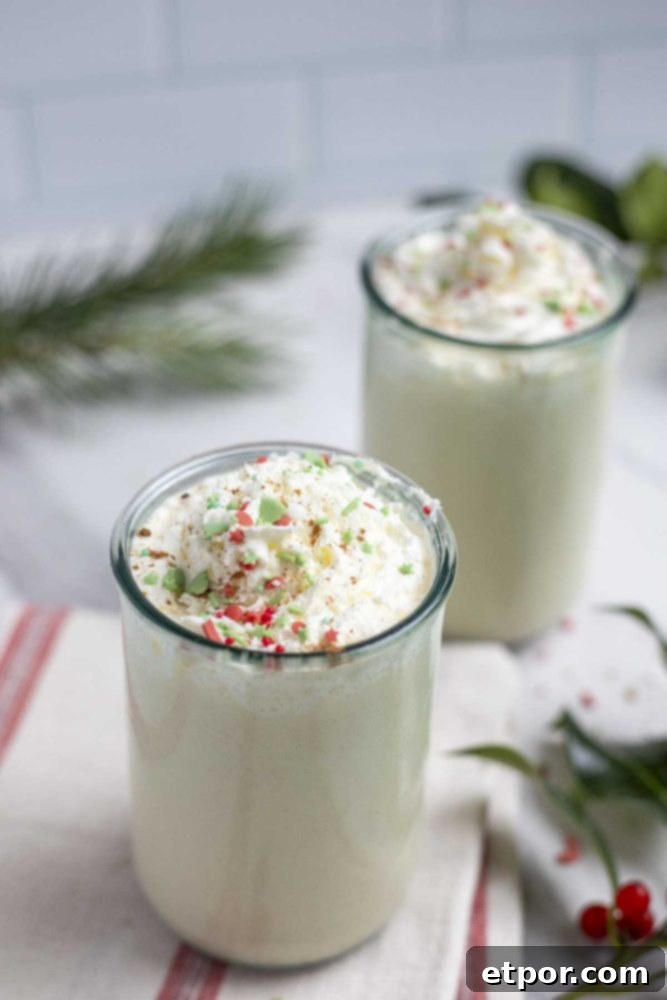
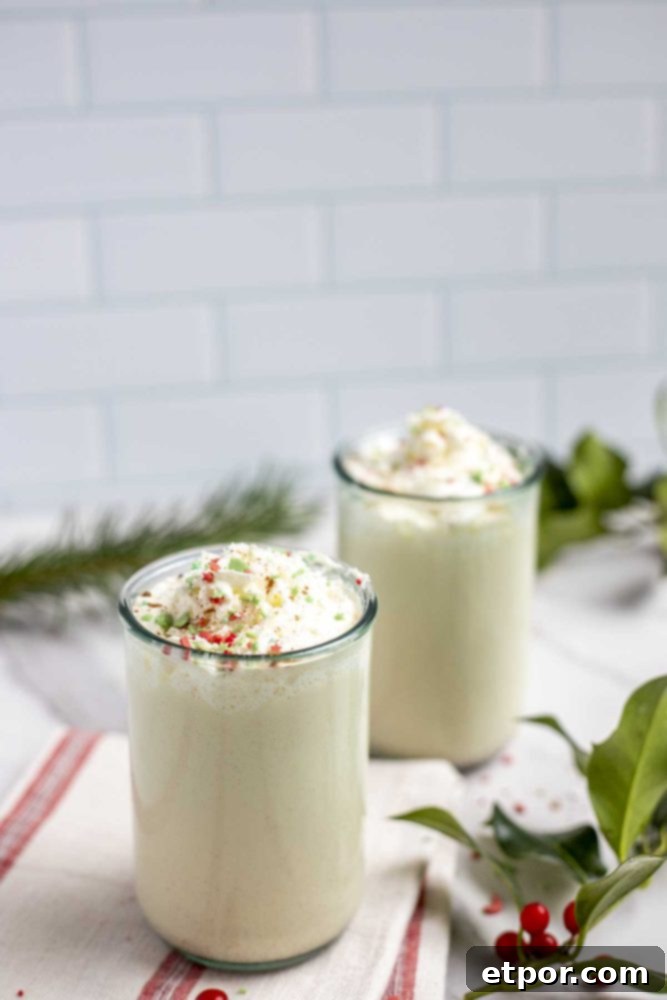
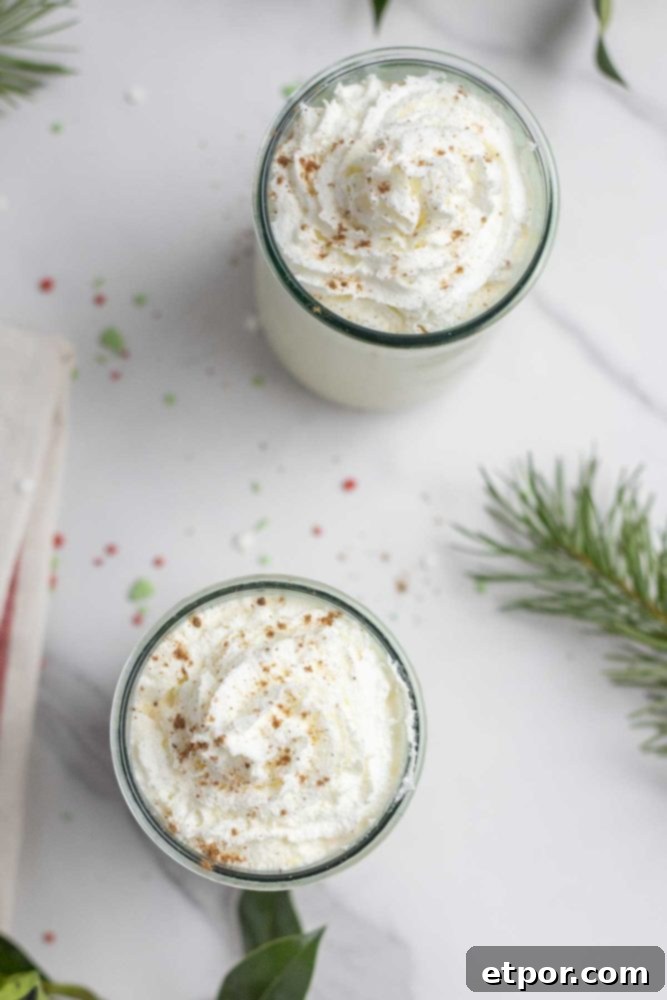
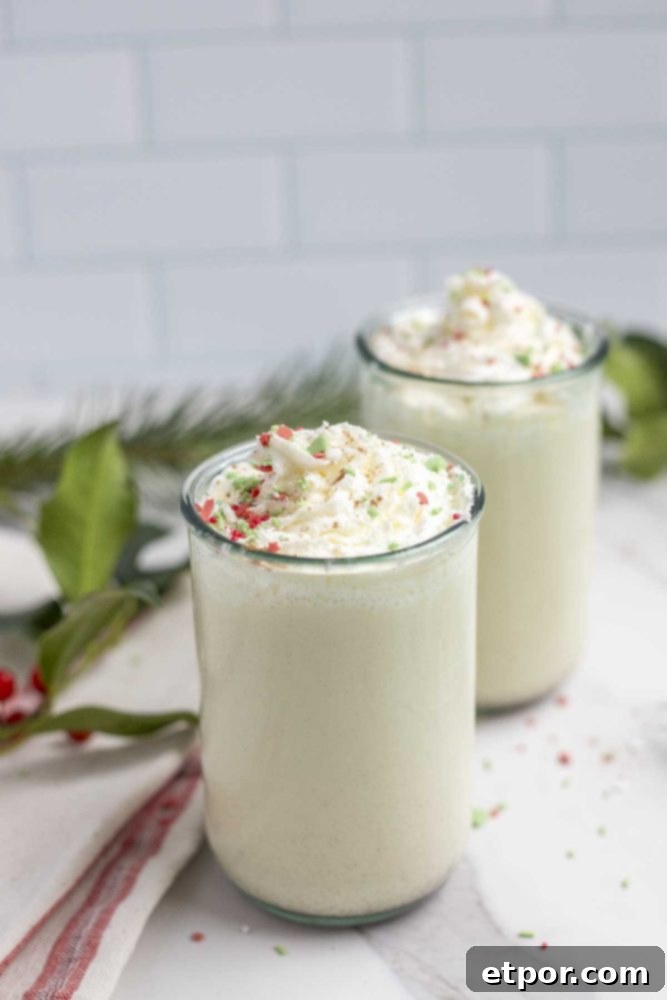
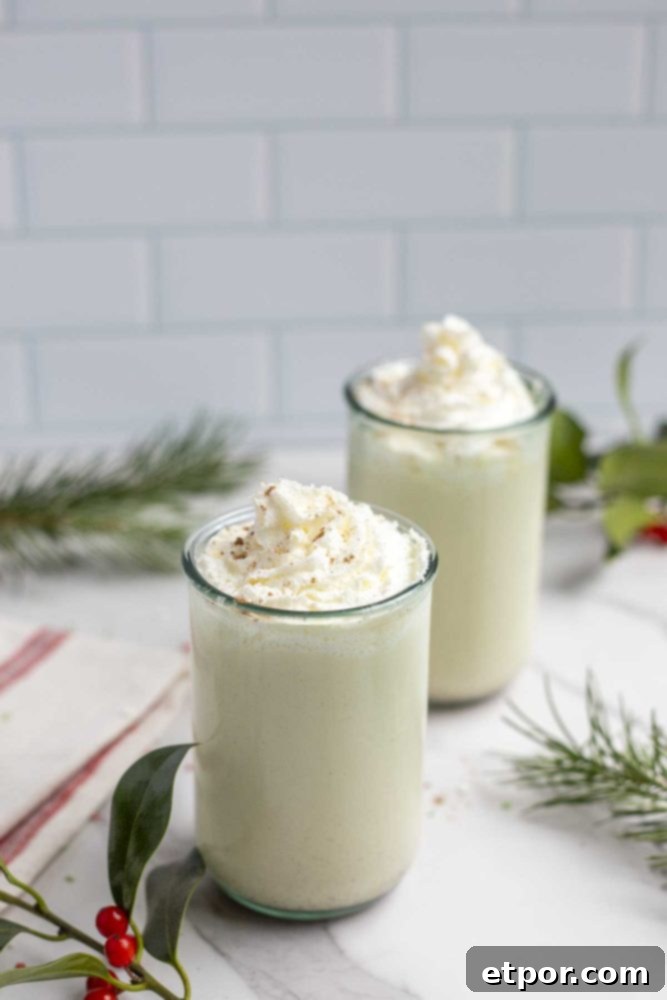
Enjoy your homemade eggnog! For an extra festive touch, I love to garnish it with some homemade whipped cream, a sprinkle of fresh cinnamon or holiday sprinkles, and a cinnamon stick. Or, as mentioned before, transform any leftovers into a super delicious eggnog latte.
Other Delicious Holiday Recipes:
- Vegan Fudge: Easy Decadent Dessert
- Creamy Custard Pie: Easy Dessert Recipe
- Lace Cookies With Pumpkin Spice
- How To Make Sweetened Condensed Milk
- Gluten Free Pie Crust Recipe: Quick Pie Crust Recipe
If you try this recipe and love it, I would love if you could come back, comment on the post, and give it a 5 star rating! Please and thank you.
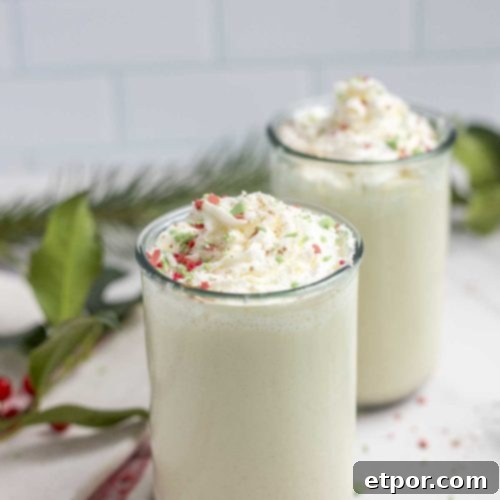
Eggnog
This super easy eggnog recipe is a creamy and delicious drink that is perfect for the holidays. It takes just a few minutes to whip up and is naturally sweetened.
Print Recipe
Pin Recipe
Rate This Recipe
Save Recipe
Cook Time: 10 minutes
Total Time: 20 minutes
Save This Recipe
We’ll get it sent to your inbox! Plus, get new recipes from us every week.
Equipment
- 1 Blender
Ingredients
- 2 cups half & half
- 2 cups whole milk
- 1/4 cup honey
- dash of salt
- 4 eggs
- 1 tsp. vanilla extract
- 1/2 tsp. nutmeg plus more for garnish
Instructions
- In a blender, add all of the ingredients. If you use pasteurized eggs, you can just blend up the ingredients and be done. If using raw eggs, then make the cooked version and heat up the eggnog mixture until it reaches 160 degrees to make sure it is safe to consume.
- Blend until smooth and creamy.
- Transfer the egg mixture to a medium saucepan.
- Place over medium-low heat. Whisking frequently until it reaches 160 degrees F. You don’t want to leave unattended, as it can easily heat too high and curdle the eggs.
- Once it hits temperature, serve warm or transfer the hot mixture to an airtight container (be careful not to burn yourself) and place in the fridge for a few hours to cool.
- Enjoy. I like to add some homemade whipped cream, sprinkle of cinnamon or sprinkles, and a cinnamon stick to be a little extra festive.
Nutrition
Tried this recipe? Tag me!
Mention @ablossominglife or tag #ablossominglife!