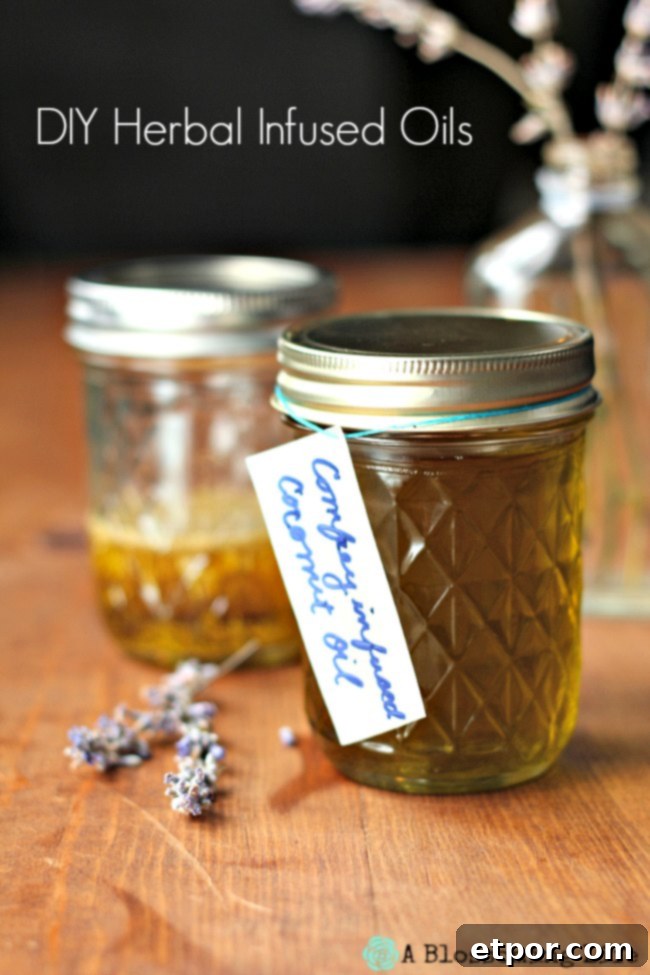
Mastering DIY Herbal Infused Oils: A Comprehensive Guide to Natural Skincare and Wellness
Table of Contents
Toggle
Herbal infused oils are a cornerstone of natural wellness and DIY skincare, offering a wonderful way to harness the potent benefits of plants. Unlike essential oils, which are highly concentrated distillations, infused oils gently extract the therapeutic properties of herbs into a carrier oil, making them milder and safer for direct skin application. This makes them incredibly versatile for creating a variety of homemade products, from soothing lip balms and nourishing lotions to protective sunscreens, and even as a gentle method for oil cleansing. The beauty of crafting your own infused oils lies in the control you gain over ingredients, ensuring purity and tailoring solutions specifically to your needs.
Before diving into the exciting world of herbal infusions, it’s crucial to research both the herbs and oils you plan to use. Understanding their individual properties and potential interactions is key to creating safe and effective products. For instance, some herbs, particularly citrus varieties, can increase skin photosensitivity, meaning products containing them should not be used before sun exposure. Similarly, while Comfrey is celebrated for its healing and anti-inflammatory benefits, it is generally recommended for topical use only and should not be ingested. It’s also not advised for use during pregnancy or breastfeeding. Always prioritize safety and conduct thorough research to ensure your DIY creations are beneficial and free from adverse effects.
Choosing Your Herbs for Infusion
The foundation of a potent herbal infused oil begins with selecting the right herbs. These plant powerhouses carry unique properties that, when extracted, can offer a myriad of benefits for skin and overall well-being. You can use either dried or fresh herbs, though dried herbs are often preferred for infusions as they carry less moisture, which can prolong the shelf life of your oil. If you opt for fresh herbs, ensure they are thoroughly cleaned and completely dry of any excess water to prevent spoilage. For fresh herbs, it’s also a good practice to switch them out every couple of days during the infusion process to maintain potency and freshness.
Popular Herbs and Their Benefits
Here are some excellent herbs to consider for your next infusion, along with their key benefits:
Lavender Chamomile Comfrey Calendula Rosemary Clove Rose
- Calendula: Renowned for its remarkable healing properties, Calendula flowers are excellent for reducing pain, swelling, and promoting skin regeneration. It’s particularly beneficial for soothing irritated skin, minor cuts, scrapes, and diaper rash. Its gentle nature makes it a favorite for sensitive skin and baby care products.
- Lavender: More than just a beautiful fragrance, Lavender offers a calming effect, making it ideal for stress reduction and aiding in better sleep. Topically, it’s known for its anti-inflammatory, antiseptic, and analgesic properties, which can help soothe skin irritations, minor burns, insect bites, and reduce muscle tension.
- Chamomile: A true skin soother, Chamomile significantly reduces inflammation and irritation. It’s often used topically for a variety of skin concerns including hemorrhoids, breast soreness, ulcers, skin rashes, eczema, and dry, flaky skin. Its gentle, calming nature also makes it excellent for relaxing the mind and body.
- Comfrey: Historically known as “knitbone,” Comfrey is famed for its ability to aid in healing wounds, bruises, and reducing inflammation. It contains allantoin, which promotes cell growth. *Important Precaution: Comfrey is intended for external, topical use only. It should not be ingested and is not recommended during pregnancy or breastfeeding due to potentially harmful compounds when absorbed internally.*
- Rosemary: This aromatic herb is a powerhouse for stimulating circulation and has strong antioxidant and antiseptic properties. Rosemary infused oil is often used in hair care to promote growth and scalp health, and in muscle rubs for its warming and pain-relieving effects.
- Clove: With a distinct warm and spicy aroma, Clove is recognized for its potent analgesic and antiseptic qualities. Clove-infused oil can be a powerful ingredient in topical pain relief formulations, particularly for muscle aches and temporary relief of toothache (used externally on the jawline). Due to its strength, it should be used sparingly and diluted.
- Rose: Beyond its intoxicating scent, Rose petals offer excellent moisturizing, anti-inflammatory, and toning benefits for the skin. Rose-infused oil is perfect for sensitive, mature, or dry skin, helping to reduce redness, soothe irritation, and promote a youthful glow. It’s also wonderfully uplifting for the mood.
These herbal infusions are primarily meant for topical use and are not intended for ingestion unless specified otherwise and under professional guidance. Always exercise caution and do your research.
Selecting Your Carrier Oils
The carrier oil is just as important as the herbs themselves, as it acts as the medium for extraction and delivers the herbal benefits to your skin. The choice of carrier oil can influence the texture, absorption, and overall feel of your finished infused oil. When selecting an oil, consider its odor – a neutral or low-odor oil allows the natural aroma of the herbs to shine through. Also, think about its shelf life, skin benefits, and how well it suits your intended use. Opt for high-quality, cold-pressed, unrefined oils for the best results.
Top Carrier Oils and Their Properties
Here are some excellent carrier oils that work wonderfully for herbal infusions:
Almond Extra Virgin Olive Extra Virgin Coconut Jojoba Avocado Castor
- Almond Oil (Sweet): A light, nourishing oil rich in vitamins E, A, and D. It’s easily absorbed, making it an excellent choice for massage oils and general skincare. Sweet almond oil is particularly good for soothing dry, irritated skin and is often used for sensitive skin types. Its mild scent won’t overpower the herbs.
- Extra Virgin Olive Oil: A readily available and cost-effective option, olive oil is deeply moisturizing and rich in antioxidants. It’s a heavier oil, ideal for deeply hydrating dry skin, salves, and muscle rubs. Its distinct aroma might influence the final scent of your infused oil, so consider this when pairing with herbs.
- Extra Virgin Coconut Oil: Solid at room temperature but melts on contact with skin, coconut oil is highly moisturizing and has natural antimicrobial properties. It’s excellent for lotions, balms, and hair treatments. Ensure you use extra virgin for the best quality, though its strong coconut scent might be a consideration. Fractionated coconut oil, which remains liquid, is also a great option for infusions if you prefer a less greasy feel and no scent.
- Jojoba Oil: Technically a liquid wax, Jojoba oil closely mimics the skin’s natural sebum, making it highly compatible with all skin types, including oily and acne-prone skin. It’s non-comedogenic, deeply moisturizing, and has a very long shelf life, making it a premium choice for facial oils and serums. Its light texture and neutral scent are perfect for allowing herb aromas to dominate.
- Avocado Oil: A rich, thick oil packed with vitamins A, D, E, and essential fatty acids. It’s deeply nourishing and particularly beneficial for dry, mature, or damaged skin. Avocado oil is known for its ability to penetrate deeply, making it a great choice for healing balms and restorative skin treatments. Its greenish hue and mild nutty scent should be noted.
- Castor Oil: A unique, very thick oil known for its humectant properties, drawing moisture to the skin. It’s commonly used in hair growth treatments, lash and brow serums, and in formulations for sore muscles due to its anti-inflammatory effects. Due to its viscosity, it’s often blended with lighter carrier oils.
The Herbal Oil Infusion Process
Infusing herbs into oil is a simple yet rewarding process that allows you to capture the plant’s medicinal properties. There are two primary methods for infusion: the traditional solar method and the faster double boiler method. Both yield beautiful, beneficial oils. Regardless of the method, the general principle is to combine your chosen herbs with a carrier oil in a clean glass jar.
In a clean mason jar or another type of glass container, add your dried herbs. There isn’t an exact ratio, but a good rule of thumb is to fill the jar about one-third to half full with herbs, then completely cover them with your chosen carrier oil, ensuring no herbs are exposed to air, which can cause mold. Gently stir to release any trapped air bubbles.
Solar Infusion Method
The solar infusion method is a slow and gentle process that utilizes the sun’s warmth to gradually extract herbal properties. This method is considered traditional and can create a truly vibrant oil.
- Preparation: Combine your herbs and carrier oil in a clean mason jar, ensuring the herbs are fully submerged. Secure the lid tightly.
- Placement: Place the sealed jar in a warm, sunny spot. A windowsill, porch, or even a sunny corner of your kitchen works well.
- Infusion Time: Allow the herbs to infuse for at least 2-4 weeks. On exceptionally hot, sunny days, the process might be quicker, while in cooler weather or during winter, it could take several weeks.
- Maintenance: Gently shake the jar daily to help distribute the herbs and prevent them from settling. Observe the oil for changes in color and scent, indicating the infusion is progressing.
Double Boiler Method
If you’re short on time or prefer a more controlled environment, the double boiler method is an excellent alternative. It uses gentle heat to speed up the infusion process.
- Setup: Place your herbs and oil in a mason jar or a heat-safe glass bowl. Place this container into a pot filled with a few inches of water, creating a double boiler. Do not cover the herb/oil jar with its lid during heating.
- Heating: Heat the pot on very low heat, ensuring the water never boils vigorously. The goal is a gentle warmth, not frying the herbs. Maintain this low heat for 1-2 hours.
- Monitoring: Frequently check the water level in the pot to ensure it doesn’t boil off. You can infuse for longer or even replace the old herbs with fresh ones and repeat the heating process to create a stronger, more potent infusion. Ensure the oil temperature does not exceed 100-120°F (38-49°C) to preserve the delicate properties of the herbs and oil.
Straining and Storage
Once your herbs have infused sufficiently, it’s time to strain and prepare your oil for storage.
- Cooling: Allow the oil to cool completely to room temperature if you used the double boiler method.
- Straining: Carefully strain the infused oil into a clean, dry glass container. Use a fine-mesh strainer lined with cheesecloth to ensure all herbal bits are removed. Squeeze the cheesecloth firmly to extract every last drop of precious oil.
- Storage: Store your wonderful infused oil in a dark glass bottle in a cool, dark place away from direct sunlight and heat. This helps to preserve its potency and extend its shelf life. Properly stored, herbal infused oils can last for several months to a year, depending on the shelf life of the carrier oil used.
Creative Uses for Your Herbal Infused Oils
The beauty of homemade herbal infused oils lies in their incredible versatility. Once you’ve successfully extracted the therapeutic benefits of your chosen herbs into a nourishing carrier oil, a world of DIY natural skincare and wellness products opens up to you. These oils serve as a foundational ingredient, allowing you to customize and create items that cater specifically to your needs and preferences. Here are just a few ways you can incorporate your freshly made herbal infused oils into your daily routine:
- Moisturizing Body Oils: Use your infused oil directly as a luxurious body moisturizer after a shower or bath. Oils like lavender or chamomile are wonderfully calming for an evening routine.
- Massage Oils: The gliding consistency of infused oils makes them perfect for massage. Create a rosemary or clove infused oil for sore muscles, or a rose or lavender oil for a relaxing massage.
- Lip Balms & Salves: Combine your herbal infused oil with beeswax (and a touch of shea butter for extra richness) to create healing lip balms or soothing salves for dry patches, minor cuts, or insect bites. Calendula or comfrey infused oils are excellent for this.
- Lotions & Creams: Infused oils can be incorporated into homemade lotion recipes, adding extra therapeutic benefits. They can replace a portion of the liquid oil content in your favorite lotion formulation.
- Hair & Scalp Treatments: Oils infused with rosemary or nettle are fantastic for promoting scalp health and hair growth. Apply directly to the scalp, massage, and leave on for at least 30 minutes (or overnight) before shampooing.
- Bath Oils: Add a tablespoon or two of your infused oil to your bath water for a relaxing and skin-nourishing soak. Lavender or chamomile are particularly good for unwinding.
- Oil Cleansing: Use a gentle herbal infused oil (like chamomile or calendula in jojoba or almond oil) as part of an oil cleansing routine to effectively remove makeup and impurities while nourishing the skin.
- Baby Care Products: Mildly infused oils, such as calendula in almond oil, are perfect for creating gentle baby bum creams or massage oils, offering natural soothing for delicate skin.
Important Safety Considerations
While DIY herbal infused oils offer incredible benefits, responsible creation and usage are paramount. Always prioritize safety to ensure your products are both effective and harmless.
- Topical Use Only: Most homemade herbal infused oils are intended for external, topical application only. Unless you are an experienced herbalist or have consulted with a qualified professional, avoid ingesting these oils.
- Herb Research: Thoroughly research each herb’s properties, traditional uses, and known contraindications. Some herbs may be potent or interact with medications.
- Photosensitivity: Be aware that certain herbs, especially those from the citrus family or St. John’s Wort, can cause photosensitivity, increasing your skin’s susceptibility to sunburn. If using such herbs, avoid direct sun exposure after application.
- Pregnancy and Breastfeeding: If you are pregnant or breastfeeding, exercise extreme caution. Many herbs are not recommended during these periods. Always consult your healthcare provider before using any herbal remedies.
- Allergies and Sensitivities: Conduct a patch test before applying a new herbal infused oil to a larger area of your skin. Apply a small amount to an inconspicuous spot (like the inner forearm) and wait 24-48 hours to check for any redness, irritation, or allergic reactions.
- Purity of Ingredients: Use high-quality, organic herbs and carrier oils whenever possible. This ensures the potency of the infusion and minimizes exposure to pesticides or other contaminants.
- Sterilization: Always work with clean, sterilized equipment (jars, strainers, bottles) to prevent bacterial growth and extend the shelf life of your infused oils.
- Storage: Store your finished oils in dark glass bottles in a cool, dark place to protect them from light and heat, which can degrade the oil and herbal compounds over time.
By keeping these safety guidelines in mind, you can confidently create and enjoy your personalized herbal infused oils, knowing you’re harnessing nature’s power responsibly for your wellness journey.
Have you made your own herbal infused oils? What’s your favorite herb and carrier oil combination? How do you love to use them in your daily routine?
DIY Natural Baby Bum Cream
Homemade Natural Sleep Salve
This post contains affiliate links to help support this blog.