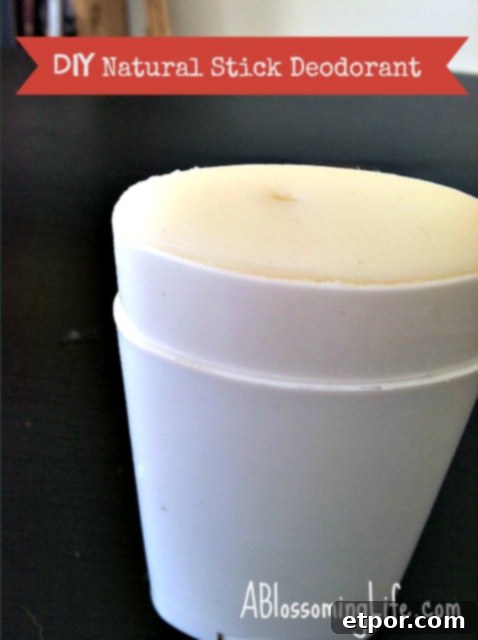
Craft Your Own Effective & Moisturizing Homemade Natural Stick Deodorant
In a world increasingly conscious of what we put into and onto our bodies, the switch to natural personal care products has gained immense popularity. Among these, homemade natural deodorant stands out as a simple yet powerful change you can make for your health and well-being. For years, I relied on my original homemade deodorant recipe, which, while effective, was designed for application with the hands. The thought of creating a more convenient, stick-form version that still delivered on its promises — effectiveness, moisturization, and a smooth application — became a passion project. After dedicated research and meticulous tweaking of ingredients and proportions, I’m thrilled to share a recipe that truly redefines the homemade deodorant experience: an all-natural stick deodorant that glides on effortlessly and works wonders.
This journey began from a desire for convenience without compromise. While my previous hand-applied recipe was fantastic for odor control, transferring it into a stick format proved challenging. It didn’t apply smoothly, and I often felt I couldn’t get enough product on for optimal effectiveness. The goal for this new formulation was clear: create a stick deodorant that applies beautifully, offers reliable protection, and leaves your skin feeling nourished, not greasy. The result is a natural deodorant that mimics the luxurious feel of commercial brands but without any of the questionable chemicals or aluminum compounds.
Why Choose Homemade Natural Deodorant?
The market is flooded with commercial deodorants and antiperspirants, many of which contain ingredients like aluminum, parabens, phthalates, and artificial fragrances. While these might effectively block sweat or mask odors, growing concerns about their long-term health implications have led many to seek safer, more natural alternatives. Aluminum, in particular, is a common ingredient in antiperspirants, designed to plug sweat ducts. However, there’s ongoing debate and research into its potential links to various health issues. By opting for a homemade natural deodorant, you’re taking control of the ingredients, ensuring that only beneficial and benign substances come into contact with your delicate underarm skin.
Beyond health considerations, homemade deodorants offer incredible benefits. They are often more cost-effective in the long run, reduce plastic waste (especially if you reuse containers), and allow for personalization with your favorite essential oils. This specific stick deodorant recipe not only avoids harmful chemicals but also embraces ingredients known for their skin-loving properties, providing a unique blend of protection and nourishment that commercial products rarely offer.
The Crafting Process: Your Guide to a Natural Deodorant Stick
Creating your own natural deodorant is a surprisingly simple process, and the satisfaction of using a product you made yourself, tailored to your needs, is truly unmatched. This recipe is designed to be straightforward, requiring minimal equipment and basic culinary skills. Let’s gather our ingredients and embark on this rewarding DIY adventure.
Essential Ingredients for Your Natural Stick Deodorant
Each ingredient in this formulation plays a crucial role in creating an effective, long-lasting, and skin-friendly deodorant. Understanding their functions will help you appreciate the synergy of this natural blend.
- 1 1/2 Tbs Coconut Oil: Known for its antimicrobial properties, coconut oil helps combat odor-causing bacteria. It’s also a fantastic moisturizer, leaving your skin soft and hydrated. Its relatively low melting point contributes to the smooth application of the stick.
- 1 Tbs Shea Butter: A powerhouse for skin nourishment, shea butter is rich in vitamins and fatty acids. It provides deep moisturization, soothes sensitive skin, and helps create a creamy, luxurious texture in your deodorant stick, preventing it from feeling chalky.
- 1 Heaping Tbs Beeswax: This natural wax is essential for giving the deodorant its solid, stick form. Beeswax acts as a natural emulsifier and provides a protective barrier on the skin without clogging pores. It also helps in retaining moisture and allows the deodorant to withstand warmer temperatures better than formulations without it.
- 2 Tbs Cornstarch or Arrowroot Powder: These natural powders are key for moisture absorption. They help keep your underarms feeling dry by absorbing excess perspiration, preventing that damp feeling. Arrowroot powder is often preferred for those with very sensitive skin, as it’s typically finer and less likely to cause irritation than cornstarch, though both work effectively.
- 2 Tbs Baking Soda: The ultimate odor neutralizer. Baking soda (sodium bicarbonate) works by creating an alkaline environment that discourages the growth of odor-causing bacteria. It’s highly effective, but it’s also the ingredient most likely to cause sensitivity in some individuals. If you have very sensitive skin, consider starting with a slightly reduced amount (e.g., 1.5 Tbs) or substitute a portion with more cornstarch/arrowroot powder.
- 10 drops Essential Oil: Essential oils not only add a pleasant natural fragrance but also contribute their therapeutic properties. I personally favor tea tree oil, lavender oil, or lemon oil for their remarkable antibacterial qualities, which further aid in odor control.
- Tea Tree Oil: A potent antibacterial and antifungal agent, excellent for combating odor.
- Lavender Oil: Soothing, calming, and subtly antibacterial, offering a gentle, pleasant scent.
- Lemon Oil: Refreshing, uplifting, and naturally antibacterial, providing a clean aroma.
- Other Options: Consider frankincense, bergamot (ensure it’s bergaptene-free if exposed to sun), or cedarwood for different aromatic profiles and benefits. Always research essential oil safety.
- Few drops of Vitamin E (optional): Vitamin E acts as a natural antioxidant, helping to prolong the shelf life of the oils in your deodorant by preventing rancidity. It’s also beneficial for skin health, offering moisturizing and healing properties. While optional, it’s a great addition for longevity and skin nourishment.
Step-by-Step Directions for Your DIY Natural Deodorant Stick
- Melt the Base Ingredients: In a small pot or a dedicated sauce crock pot (or even a double boiler for more gentle heat control), combine the coconut oil, shea butter, and beeswax. Heat gently over low heat, stirring occasionally, until all three ingredients have completely melted into a clear liquid. Using a double boiler can prevent scorching and ensure a more even melt.
- Incorporate Dry Ingredients: Once the base ingredients are fully melted and combined, remove the pot from the heat. Immediately stir in the baking soda and cornstarch (or arrowroot powder). It’s crucial to mix these dry ingredients really well into the warm liquid base until there are no lumps and the mixture is smooth and consistent. Thorough mixing at this stage prevents settling of powders, which can lead to a grainy texture later.
- Add Essential Oils (and Vitamin E): Allow the mixture to cool slightly for a minute or two, but don’t let it solidify. Then, stir in your chosen essential oils and the optional vitamin E drops. Adding them after removing from heat helps to preserve their aromatic and therapeutic properties, as high heat can diminish their effectiveness.
- Pour into Container: Carefully pour the liquid mixture into an empty, clean deodorant container. If you’re reusing an old container, ensure it’s thoroughly washed and dried. Pouring slowly helps avoid air bubbles.
- Cool and Solidify: Let the deodorant cool completely. For quicker solidification and to further minimize the chance of the baking soda and cornstarch settling at the bottom, place the container in the freezer for about 15-30 minutes. Alternatively, it can cool at room temperature for several hours until fully solid. Once solid, it’s ready to use!
The Unbeatable Benefits of Your New Homemade Deodorant
Using this homemade natural stick deodorant is a truly delightful experience. The texture is incredibly smooth, gliding onto your skin without any tugging or pulling. Your armpits will feel noticeably moisturized, yet without any heavy or overly greasy residue, and it goes on completely clear, leaving no white marks on your clothes – a common complaint with many commercial brands. The sensation is akin to a high-end commercial deodorant, but with the profound satisfaction of knowing you’re nourishing your body with natural ingredients, free from harsh chemicals and aluminum compounds. It’s a win-win for both your personal health and the environment.
- Smooth, Non-Greasy Application: The precise blend of oils, butter, and wax ensures a consistency that glides effortlessly, providing comfortable application every time.
- Deeply Moisturizing: Ingredients like coconut oil and shea butter provide excellent hydration, keeping your underarm skin soft and supple, which is especially beneficial after shaving.
- Goes on Clear: Say goodbye to unsightly white marks on your clothing. This formula is designed to be transparent upon application.
- Chemical-Free Peace of Mind: Eliminate concerns about parabens, phthalates, and synthetic fragrances that often irritate sensitive skin or raise health questions.
- Aluminum-Free Protection: Avoid the aluminum compounds commonly found in antiperspirants, allowing your body’s natural detoxification processes to function unimpeded.
- Effective Odor Neutralization: Baking soda and essential oils work in tandem to effectively neutralize odor-causing bacteria, keeping you fresh throughout the day.
- Environmentally Friendly: By making your own, you can reduce your plastic footprint by reusing deodorant containers, contributing to a healthier planet.
- Cost-Effective: While the initial purchase of raw ingredients might seem like an investment, the long-term cost per stick of homemade deodorant is significantly lower than store-bought natural options.
- Customizable Scents: The ability to choose your own essential oils means your deodorant can reflect your personal preference, from invigorating citrus to calming florals.
Navigating the Transition to Natural Deodorant
If you’re making the switch from conventional commercial antiperspirants to a natural deodorant, it’s important to understand that your body might undergo a brief adjustment period. This transition phase, often lasting 1-2 weeks, is completely normal and a sign that your body is recalibrating. During this time, you might notice that the natural deodorant doesn’t seem to be working as effectively as you’d expect, or you might experience increased sweating or a stronger body odor. This happens because your sweat glands, which were previously blocked by aluminum in antiperspirants, are now free to release accumulated toxins and regulate sweat naturally. Be patient with your body; it’s a detoxification process.
Think of it as your underarms “detoxing.” The aluminum salts in antiperspirants block sweat glands, essentially forcing your body to hold onto toxins. Once these are removed, your body starts to flush them out, which can temporarily lead to more sweat and odor. Within a couple of weeks, most individuals find that their body adjusts, and this natural deodorant works wonders in keeping them fresh and confident. Don’t give up! Your body will thank you for making the healthier choice.
Tips for a Smooth Transition:
- Stay Hydrated: Drinking plenty of water can aid your body’s natural detoxification processes.
- Dietary Considerations: A diet rich in whole foods and low in processed items can support overall body health and potentially reduce body odor.
- Wear Natural Fabrics: Opt for cotton, linen, or bamboo clothing, which are breathable and help minimize odor buildup during the transition.
- Reapply as Needed: During the initial weeks, you might find yourself needing to reapply the deodorant more frequently than you typically would.
- Underarm Detox Mask (Optional): Some people find applying a bentonite clay mask to their underarms for 10-15 minutes a few times a week helpful in speeding up the detoxification process. Mix bentonite clay with a little apple cider vinegar and water to form a paste.
- Patch Test: Always conduct a patch test on a small area of skin before full application, especially if you have sensitive skin, to ensure no adverse reactions to ingredients like baking soda or essential oils.
Troubleshooting Common Concerns with Homemade Deodorant
While this recipe is designed for broad appeal, individual experiences can vary. Here are a few common questions and solutions:
- Baking Soda Sensitivity: If you experience redness, itching, or irritation, you might be sensitive to baking soda. Try reducing the amount to 1 or 1.5 tablespoons, or replace half of it with additional cornstarch or arrowroot powder. Some individuals opt for entirely baking-soda-free recipes, though these often require different odor-fighting ingredients.
- Texture Issues (Too Hard/Soft): The consistency of your deodorant can be affected by ambient temperature. In very cold climates, it might be harder; in very warm climates, it might soften. You can adjust the beeswax content slightly in future batches: a little more beeswax for a firmer stick, a little less for a softer one. Store in a cool, dry place.
- Odor Breakthrough: If you find you’re still experiencing odor, ensure you’re applying a sufficient amount. Reapply during the day if necessary, especially during the transition period or on particularly active days. Double-check the quality and freshness of your essential oils, as their potency can impact effectiveness.
Have you ever ventured into the world of homemade personal care products, specifically deodorant? What was your experience like, and what are your thoughts on making the switch to natural alternatives? Share your insights and tips in the comments!
For more inspiring ideas on sustainable living and DIY projects, check out these communities:
Homestead Barn Hop,
the Morris Tribe,
Sew Chatty,
Sew Can Do,
Craft-O- Maniac,
Homemaker on a Dime,
Frugally Sustainable,
Tips and Tricks,
Weekend Wonders,
Mop it Up Monday,
Dog Days of Winter,
Show and Tell Saturday,
Wildcrafting Wednesday