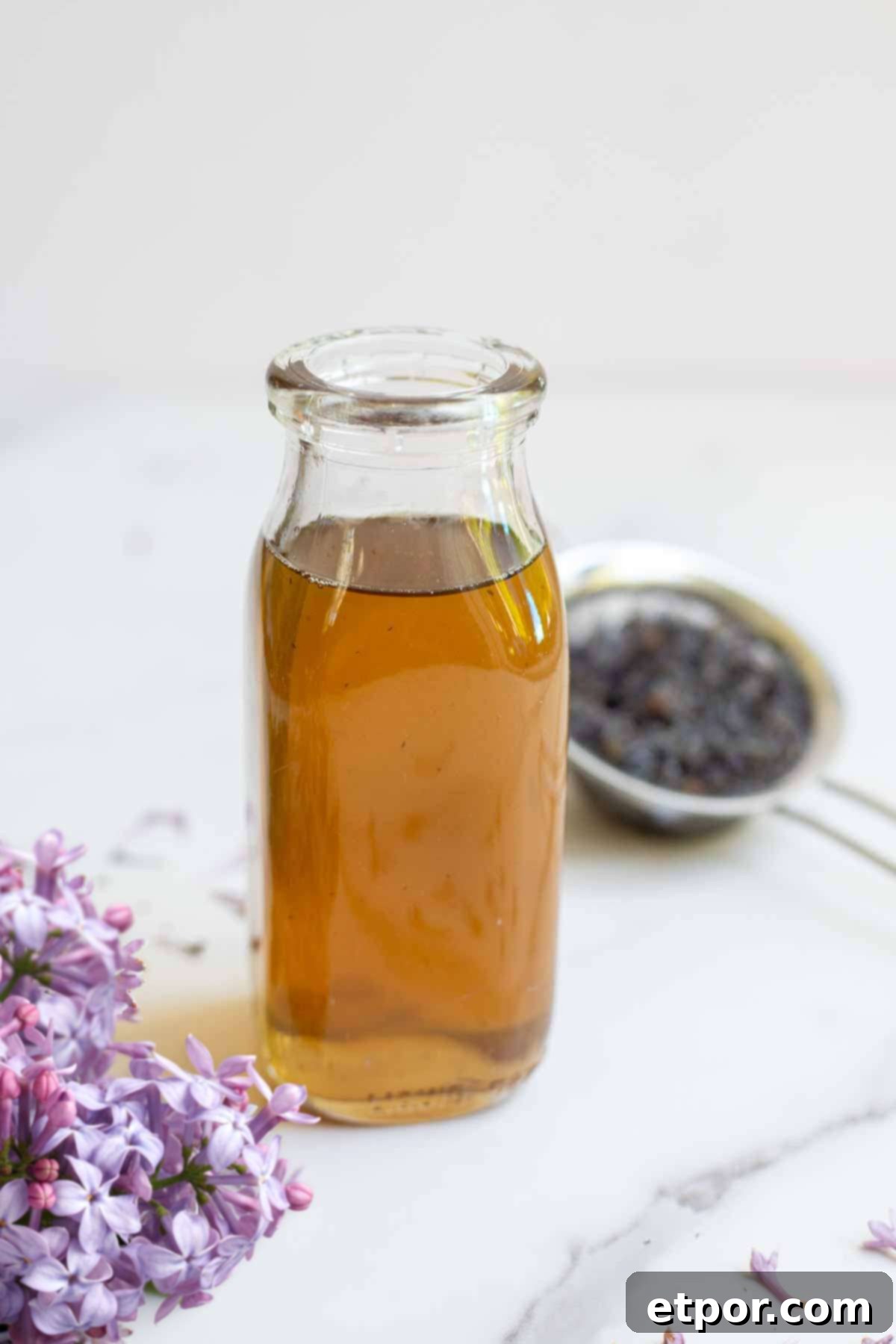
Homemade Lilac Syrup: An Easy & Fragrant Spring Recipe for Delightful Drinks & Desserts
There’s something truly magical about the arrival of spring, heralded by the vibrant purple hues and intoxicating fragrance of lilac bushes. These beautiful blossoms, often enjoyed in bouquets, offer a delightful secret: their edible flowers can be transformed into a simple yet exquisitely flavored homemade lilac syrup. This recipe is a fantastic way to capture the essence of spring, preserving the fleeting beauty and aroma of lilacs to enjoy long after their season has passed. Imagine infusing your favorite beverages and desserts with this wonderfully aromatic and subtly sweet floral essence – it’s a simple luxury that truly elevates everyday moments.
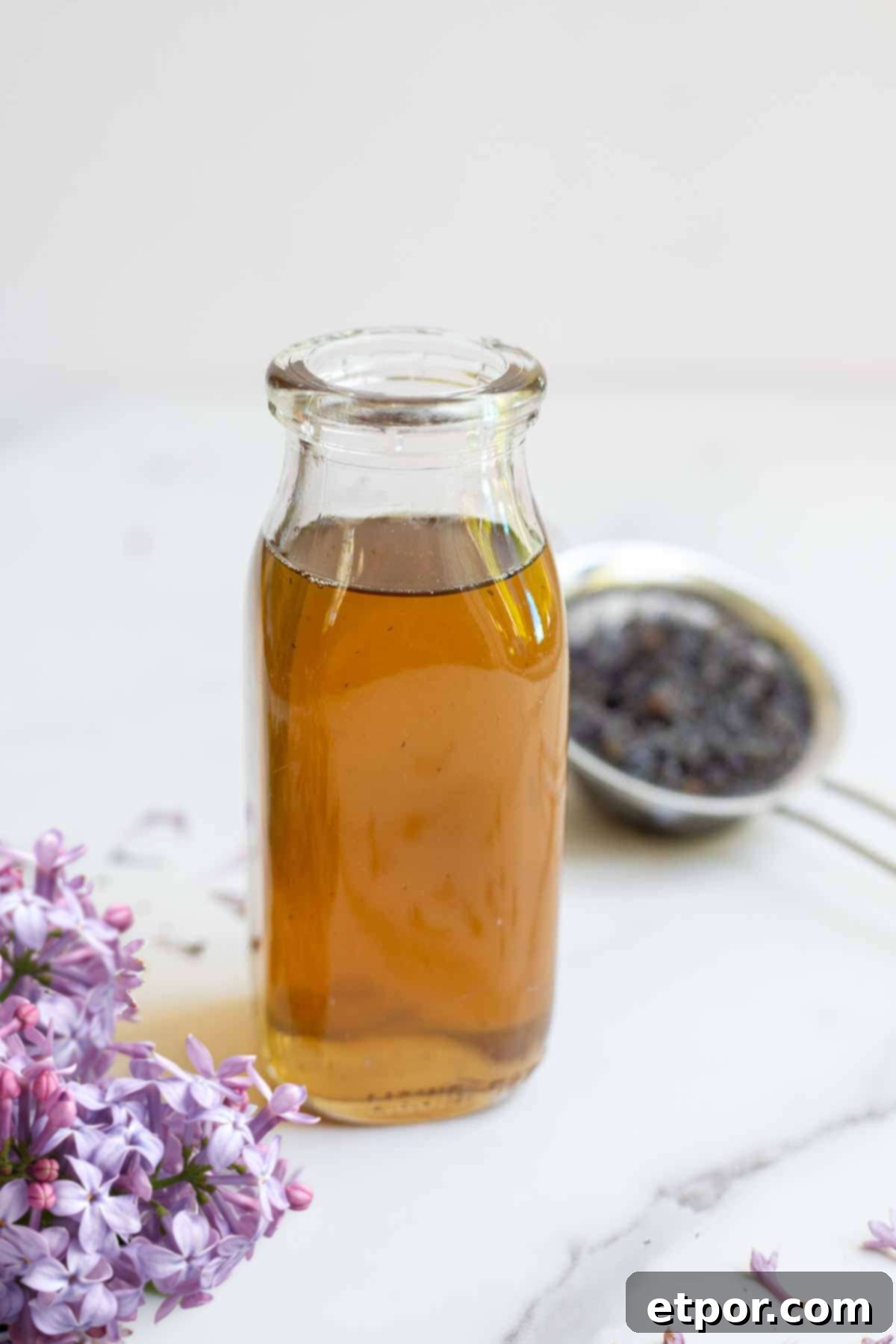
As the days lengthen and the air warms, walking past a blossoming lilac shrub is a sensory experience. The air fills with a sweet, almost spicy, perfume that promises longer, brighter days. For those of us who cherish seasonal delights, these fragrant blossoms represent an opportunity not just for visual enjoyment, but for culinary creativity. While bouquets are lovely, the fleeting nature of lilac blooms means they are gone almost as quickly as they appear. This makes harvesting them for culinary purposes, like crafting a homemade syrup, an even more rewarding endeavor. Not only is the lilac bush beautiful and colorful, but the aroma of its flowers tastes good enough to eat – and fortunately, many varieties are!
It’s an exciting discovery for many that the flowers from the common lilac variety, Syringa vulgaris, are entirely safe and delicious to consume. This makes them a perfect candidate for infusing into a simple syrup. The process is straightforward: gently steeping the fresh blossoms in a sugar and water solution. The result is a beautifully fragrant lilac syrup that carries the delicate essence of spring, ready to be incorporated into an array of refreshing drinks and tempting treats. This simple syrup offers a unique flavor profile that is both calming and surprisingly sophisticated, making it a versatile addition to your homemade pantry.
Important Note on Lilac Varieties: While the common lilac (Syringa vulgaris) boasts edible purple flowers, it is crucial to properly identify your plant. The Persian lilac (Syringa persica), though similar in appearance and often used in landscaping, is considered toxic if ingested. Always ensure you are using flowers from the correct, edible species. If you are unsure, it’s best to consult a local botanical expert or refrain from consumption.
How to Use Lilac Simple Syrup
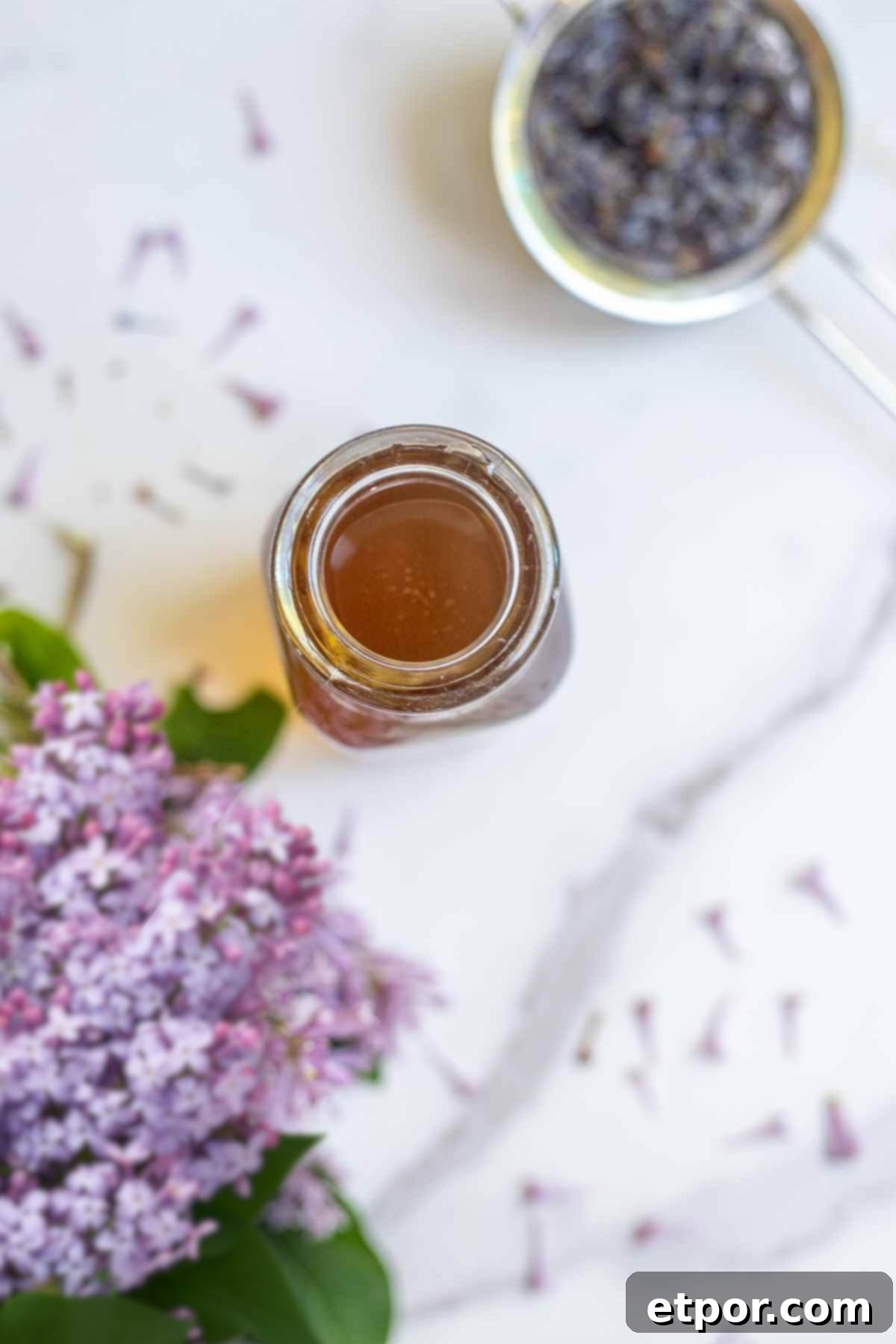
Once you’ve made your batch of sweet, floral, and utterly delicious lilac syrup, the possibilities for incorporating its unique flavor into your daily life are endless. Its delicate essence can elevate both everyday drinks and special occasion dishes, adding a touch of spring to any creation. Here are a few creative and delightful ideas to get you started:
- Elevate Your Coffee & Tea: Transform your morning routine by flavoring your cold foam or homemade whipped cream with a drizzle of lilac syrup. It makes an exquisite topping for an iced coffee, a green tea latte, or even a simple cup of hot tea, adding a fragrant twist that’s both comforting and invigorating.
- Refresh Your Lemonade: Move beyond traditional lemonade and create a stunning lilac lemonade. Simply swap out plain simple syrup for your homemade lilac infusion. The tartness of lemon beautifully complements the sweet floral notes of lilac, making for a truly refreshing and visually appealing drink perfect for warm weather.
- Fruity & Floral Popsicles: Add a teaspoon or two of lilac syrup to fruit-based recipes like watermelon popsicles. The floral hint provides an unexpected layer of flavor that will surprise and delight your taste buds, turning a simple frozen treat into something extraordinary.
- Enhance Desserts: Drizzle this aromatic syrup over a fresh fruit salad to amplify its natural sweetness and add a sophisticated floral dimension. It’s also fantastic for flavoring homemade frozen yogurt or infusing unique notes into ice cream, such as a blueberry cheesecake ice cream with a subtle lilac undertone.
- Baking & Glazing: Get creative in the kitchen by using lilac syrup in place of vanilla extract in certain recipes. Imagine the subtle floral notes in sourdough granola, or as the star ingredient in the icing for sourdough raspberry rolls, offering a delicate fragrance that transforms familiar treats into gourmet experiences.
- Cocktails & Mocktails: For adults, lilac syrup is an exquisite addition to cocktails. It pairs beautifully with gin, vodka, and even sparkling wine. Create a “Lilac French 75” or simply add a splash to a glass of prosecco for a celebratory springtime fizz. For a non-alcoholic option, mix it with sparkling water and a garnish of fresh berries and mint.
- Dressings & Marinades: For adventurous palates, a small amount of lilac syrup can be added to vinaigrettes for green salads or even glazes for roasted vegetables and meats, offering a surprising sweetness and floral complexity.
Recipe Highlights
This homemade lilac syrup isn’t just a delicious concoction; it’s a celebration of simplicity, seasonality, and unique flavors. Here’s why this recipe deserves a spot in your spring culinary repertoire:
Seasonal & Preserving Spring’s Essence – Spring blooms arrive in a glorious burst of color and fragrance, but they are incredibly fleeting. This recipe offers a beautiful way to hold onto that joyful season just a little bit longer. By capturing the delicate essence of lilacs in a syrup, you can infuse a cheerful, uplifting boost into your morning tea, afternoon lemonade, or evening cocktails, long after the last lilac petal has fallen. It’s like bottling sunshine and fragrant memories, allowing you to revisit the freshest days of spring whenever you desire.
Aromatic & Uniquely Flavorful – The flavor profile of lilac syrup is truly special. It’s distinctly floral, yet not overpowering, offering a calming and subtly sweet taste with a hint of green freshness. Unlike other floral syrups, lilac possesses a unique charm that feels both comforting and remarkably upscale. The syrup itself can range in color from a pale golden hue to a beautiful light pink, depending on the specific lilac variety and the steeping process, adding to its visual appeal. This elegant aroma and taste make it a fantastic ingredient for gourmet applications.
Remarkably Simple to Make – Don’t let the sophisticated flavor fool you; the process of making lilac syrup is incredibly quick and easy. You’ll be delighted by how effortlessly you can transform humble blossoms into something so exquisite that you’ll eagerly anticipate trying it again next year! This recipe requires no specialized tools, making it perfectly accessible for even a beginner in the kitchen. It’s a rewarding project that yields impressive results with minimal effort, making it ideal for anyone looking to experiment with natural flavors.
Ingredients for Your Lilac Syrup
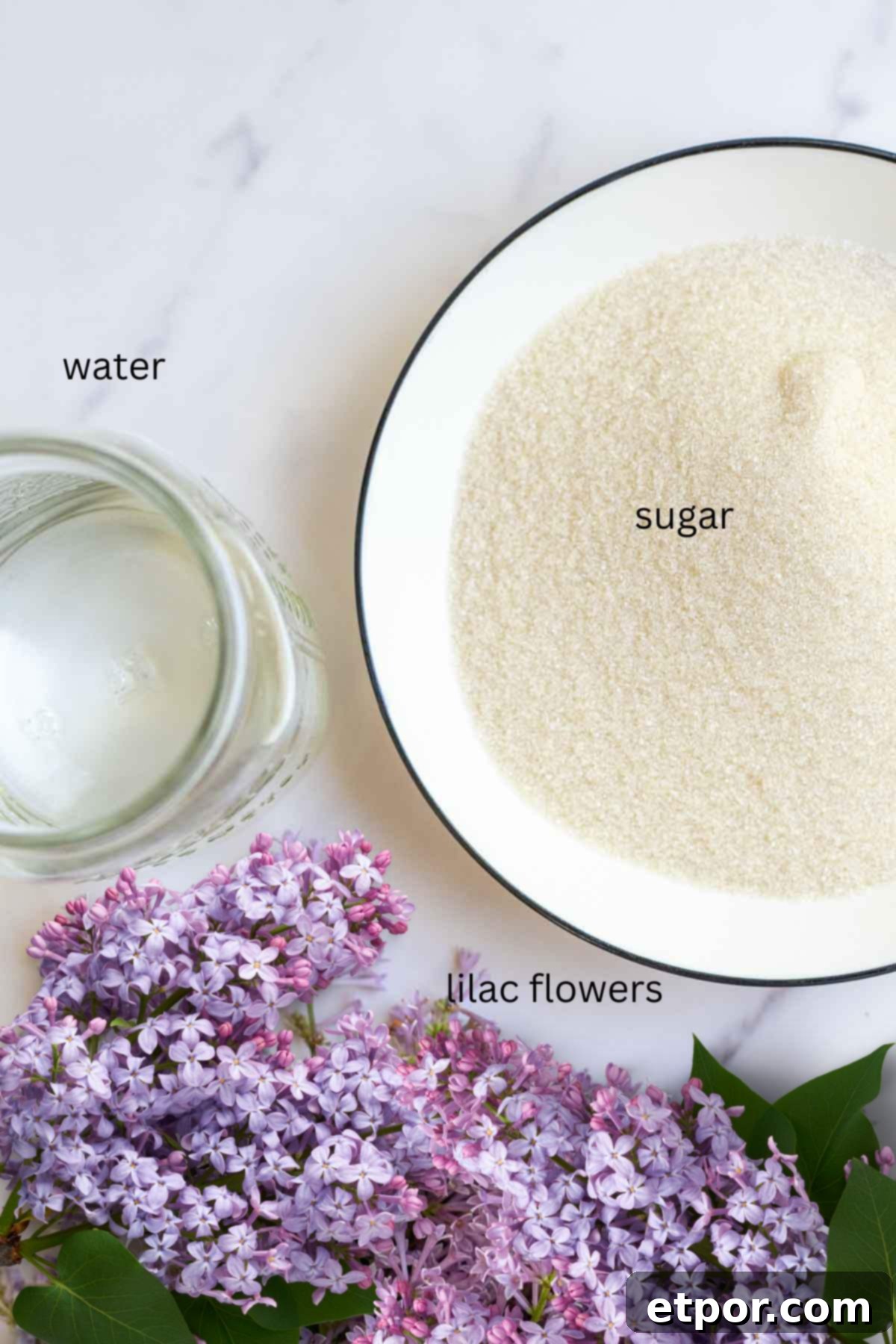
The beauty of this recipe lies in its simplicity, requiring just a few core ingredients:
- Fresh Lilac Blossoms: This is the star of our syrup! It’s crucial to use only flowers from the common lilac (Syringa vulgaris) and ensure they are pesticide-free. Harvest them on a dry, sunny day, preferably in the morning after the dew has evaporated but before the sun gets too strong. Gently remove the green stems and leaves, as these can impart a bitter flavor to your syrup. You’ll want the pure flower petals for the best, most fragrant result. The quantity you use (typically 1-2 cups per batch) will influence the intensity of the lilac flavor.
- Granulated Sugar: Standard white granulated sugar is perfect for this simple syrup. It dissolves easily and provides the necessary sweetness and preserving qualities without overpowering the delicate floral notes.
- Water: Filtered water is recommended to ensure the purest flavor for your syrup.
- Optional: Fresh Lemon Juice: A small squeeze of lemon juice, added at the end, can help brighten the flavor of the syrup, balance the sweetness, and surprisingly, help retain some of the beautiful natural color from the lilac petals.
Tools You May Need
This recipe is wonderfully straightforward and doesn’t require specialized kitchen gadgets. Here are the basic tools you’ll find helpful:
- Saucepan: A medium-sized saucepan is ideal for preparing the simple syrup base.
- Fine Mesh Strainer: Essential for separating the steeped lilac blossoms from your fragrant syrup, ensuring a smooth, clear final product. You might also want to line it with cheesecloth for an extra-fine strain.
- Heat-Resistant Jar with Lid: For storing your finished lilac syrup safely in the refrigerator. Mason jars or similar airtight containers work perfectly.
- Spatula or Spoon: For stirring the sugar and water until dissolved.
How to Make Lilac Syrup: A Step-by-Step Guide
Crafting your own homemade lilac syrup is a simple and rewarding process. Follow these easy steps to capture the delicate essence of spring in a bottle:
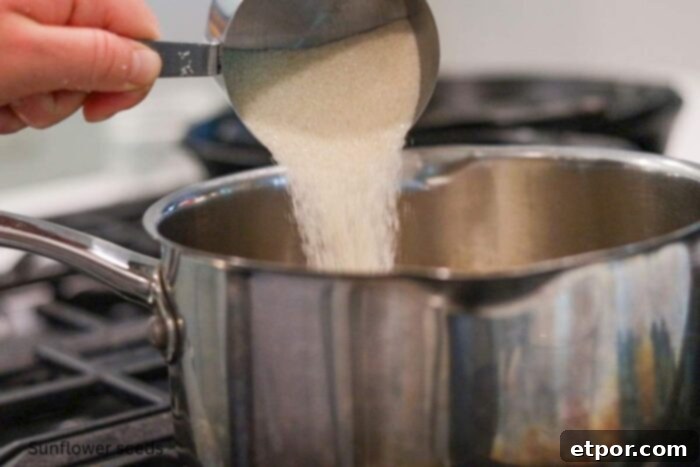
Step 1: Prepare the Simple Syrup Base. In a medium saucepan, combine the water and sugar. Place the saucepan over medium heat. Stir occasionally with a spoon or spatula to help the sugar dissolve completely into the water. Continue heating until the mixture reaches a gentle simmer. This process usually takes about five minutes. Avoid bringing it to a rolling boil at this stage; a gentle simmer is sufficient to create the sugar solution.
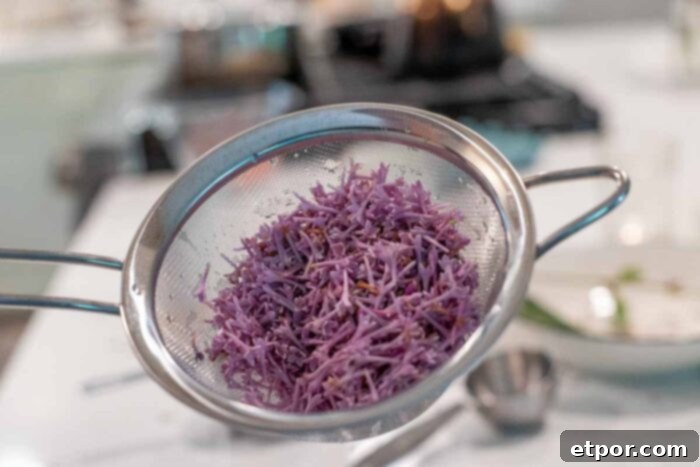
Step 2: Infuse the Lilac Blossoms. Once your sugar is dissolved and the syrup is simmering, lower the heat to its lowest setting. Now, carefully add your prepared lilac flowers to the warm syrup. Ensure you’ve meticulously removed all stems and any green bits from the blossoms, as these can introduce a bitter taste. Gently submerge the flowers into the syrup. Cover the pan with a lid and allow the mixture to simmer very gently for just 2 to 5 minutes. It’s crucial not to let the mixture boil vigorously during this infusion stage, as excessive heat can degrade the delicate floral compounds and lead to bitterness.
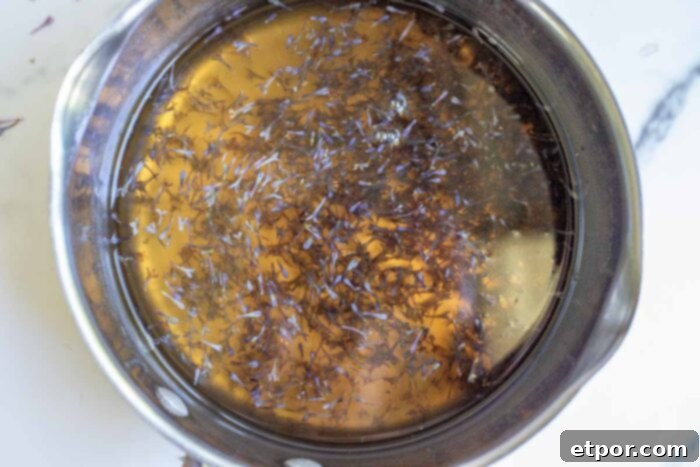
Step 3: Steep for Flavor Development. After the gentle simmer, turn off the heat completely. Keep the pan covered and allow the lilac blossoms to steep in the warm syrup for an extended period, anywhere from 2 to 8 hours. The longer you let the mixture steep, the stronger and more intense the lilac flavor will become. This slow infusion process allows the delicate aromas and flavors to fully extract into the syrup. You can periodically taste the syrup to determine your preferred level of floral intensity.
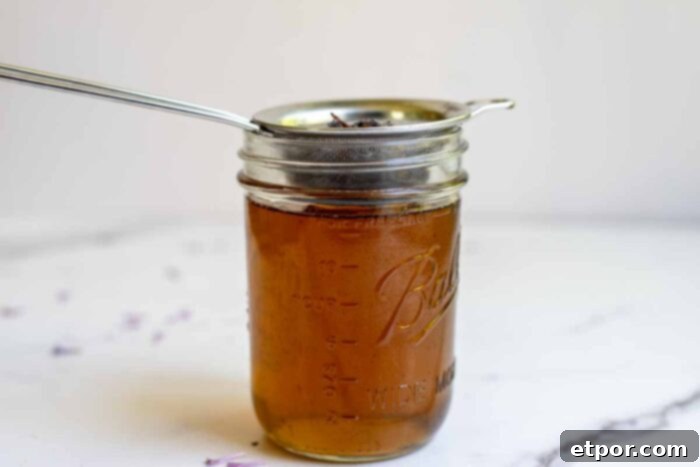
Step 4: Strain and Store. Once the syrup has reached your desired flavor intensity, it’s time to strain out the spent lilac blossoms. Pour the entire contents of the saucepan through a fine mesh strainer set over a clean, heat-resistant bowl or directly into your storage jar. Press down gently on the flowers to extract any remaining syrup, but avoid squeezing them too hard, which can release bitter compounds. Allow the strained syrup to cool completely to room temperature before transferring it to an airtight container, such as a glass jar with a lid. Cooling completely helps prevent condensation, which can introduce moisture and reduce shelf life. Store your homemade lilac syrup in the refrigerator for up to 2 weeks.
Expert Tips for Perfect Lilac Syrup
Achieving the perfect lilac syrup is easy with a few simple tricks:
- Brighten with Lemon Juice: For an extra layer of flavor and a touch of vibrancy, consider adding a small squeeze of fresh lemon juice (about 1 teaspoon per cup of finished syrup) after straining the blossoms. The acidity of the lemon not only balances the sweetness and brightens the overall floral flavor but can also help retain some of the beautiful natural pink or purple hues of the lilac petals, preventing the syrup from turning too murky.
- Control Flavor Intensity: The amount of lilac flowers you use and the duration of the steeping time are key factors in determining the intensity of your syrup’s flavor. For a bolder, more pronounced lilac essence, feel free to use closer to 2 cups of fresh blossoms or extend the steeping period to the longer end of the 8-hour recommendation. Conversely, for a more subtle floral note, use less flowers or steep for just 2-4 hours.
- Taste Test as You Steep: Don’t be afraid to sample your syrup periodically during the steeping process. This allows you to personalize the flavor to your preference. Once you hit that perfect balance of sweetness and floral intensity that you love, you can proceed to strain the syrup, ensuring it’s just right for your palate.
- Harvesting Lilacs: Pick your lilac blossoms on a dry, sunny morning after any dew has evaporated, but before the heat of the day. Choose fresh, fully open, and healthy-looking flowers. Avoid any that are wilted, bruised, or starting to brown. Ensure your lilacs have not been sprayed with any pesticides or chemicals. Gently shake the blossoms to dislodge any insects before bringing them indoors.
- Preventing Bitterness: The most common culprit for bitter lilac syrup is over-boiling the flowers or including too many green bits (stems, leaves, or tiny green flower bases). Always simmer gently and ensure your flowers are meticulously cleaned of all green matter. The gentle steeping process is crucial for extracting the delicate flavors without any harsh undertones.
- Extended Storage Options: While fresh lilac syrup keeps for about two weeks in the refrigerator, you can extend its shelf life by freezing it. Pour the cooled syrup into ice cube trays and freeze until solid. Transfer the frozen cubes to a freezer-safe bag or container, and they’ll keep for several months. Pop out a cube or two whenever you need a touch of spring flavor!
Frequently Asked Questions About Lilac Syrup
Once cooled, store your homemade lilac syrup in an airtight jar in the refrigerator. It will keep well for up to two weeks. For longer storage, you can freeze the syrup in an ice cube tray. Once frozen solid, transfer the cubes to a freezer-safe bag and use them as needed.
Lilac syrup can become bitter if the blossoms are boiled too rapidly or vigorously, rather than gently simmered and slowly infused. High heat can extract unwanted bitter compounds from the flowers. Additionally, ensuring all green stems and leaves are removed from the blossoms before steeping is crucial, as these also contribute to bitterness.
Beyond their enchanting aroma, lilacs have been traditionally associated with calming properties and anecdotal immune system support, attributed to vitamins A and C found in the plant. While this syrup is primarily for flavor, enjoying a touch of nature’s goodness can certainly contribute to overall well-being and a sense of calm.
While often confused due to their similar purple hues, lilacs and lavender have distinct characteristics. Lilacs (Syringa vulgaris) are deciduous shrubs that typically feature large, showy clusters of flowers with a sweeter, more intense floral fragrance, often leaning towards a warmer pinkish-purple tone. Lavender (Lavandula) is a perennial herb with smaller, more delicate flower spikes and a more herbaceous, calming, and somewhat camphoraceous scent. Lavender’s color tends to be a cooler, true purple. Both are beautiful, but their flavors and aromas are unique.
Yes, when made with the common lilac species (Syringa vulgaris), lilac syrup is safe to consume. It is absolutely vital, however, to correctly identify your lilac plant and ensure that the flowers have not been treated with any pesticides or harmful chemicals. Always use flowers from a trusted, unsprayed source.
The color of lilac syrup can vary greatly depending on the specific lilac variety used and the pH of the water. While some varieties might lend a faint pink or purple hue, many commonly result in a light golden or amber syrup. Adding a squeeze of lemon juice towards the end of the steeping process can sometimes help to acidify the syrup and enhance or stabilize any natural pink pigments present in the flowers.
For the best flavor and aroma, fresh lilac flowers are highly recommended. Dried lilac flowers will not impart the same vibrant taste or fragrance and may result in a much weaker or even altered flavor profile. The essence of this syrup truly relies on the freshness of the blossoms.
Like this recipe? Try some of our others!
- How to Make Rose Water
- How to Make Bath Salts
- Natural DIY Hair Spray
- DIY Nourishing Lotion Bars
- Homemade Makeup Remover
If you try this delightful lilac syrup recipe and fall in love with its fragrant charm, we would be absolutely thrilled if you could return to this post, leave a comment, and give it a well-deserved 5-star rating! Your feedback helps others discover and enjoy these wonderful homemade creations. Thank you! Don’t forget to tag us on Instagram @ablossominglife when you share your beautiful lilac syrup creations.
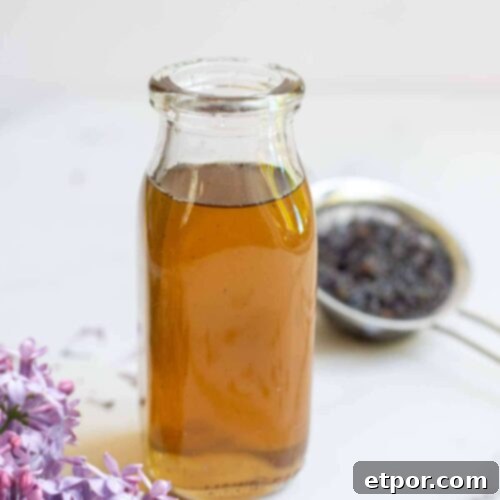
Lilac Syrup
Print
Pin
Rate
SaveSaved!
Save This Recipe
We’ll get it sent to your inbox! Plus, get new recipes from us every week.
Equipment
-
Fine mesh strainer
-
Medium saucepan
-
Airtight jar with lid
Ingredients
- 2 cups water
- 2 cups granulated sugar
- 1-2 cups fresh common lilac flowers (stems and green bits removed, rinsed, and pesticide-free, depending on desired flavor strength)
- 1 tsp fresh lemon juice (optional, for brightness and color)
Instructions
-
Combine water and sugar in a saucepan over medium heat. Stir occasionally until the sugar completely dissolves and the mixture comes to a gentle simmer. This typically takes about five minutes.
-
Reduce the heat to low. Add the rinsed and meticulously sorted lilac flowers (free of stems and green bits) to the syrup. Cover the pan and simmer gently for 2-5 minutes. Do not allow the mixture to boil vigorously, as this can lead to a bitter syrup.
-
Turn off the heat. Keep the pan covered and allow the lilac blossoms to steep in the warm syrup for 2-8 hours. The longer the steeping time, the more intense the lilac flavor will be. Taste periodically to achieve your desired strength.
-
Strain the syrup through a fine mesh strainer to remove all the steeped flowers. If desired, stir in 1 teaspoon of fresh lemon juice per cup of syrup. Let the syrup cool completely to room temperature before transferring it to an airtight container. Store in the refrigerator for up to 2 weeks.
Notes
- A small squeeze of fresh lemon juice, added after straining, can help to balance the sweetness, brighten the flavor, and may assist in preserving some of the natural color from the lilac petals.
- The quantity of flowers used and the duration of steeping directly influence the intensity of the lilac flavor. Use more flowers or steep for closer to 8 hours for a stronger, more pronounced syrup.
- It’s highly recommended to taste the syrup throughout the steeping process. This allows you to remove the blossoms once the syrup reaches your preferred level of floral intensity.
- Always ensure you are using flowers exclusively from the common lilac plant (Syringa vulgaris) and that they are free from pesticides or other chemical treatments.
- For longer storage, the cooled lilac syrup can be frozen in ice cube trays. Once frozen, transfer the cubes to a freezer-safe bag or container and store for several months.