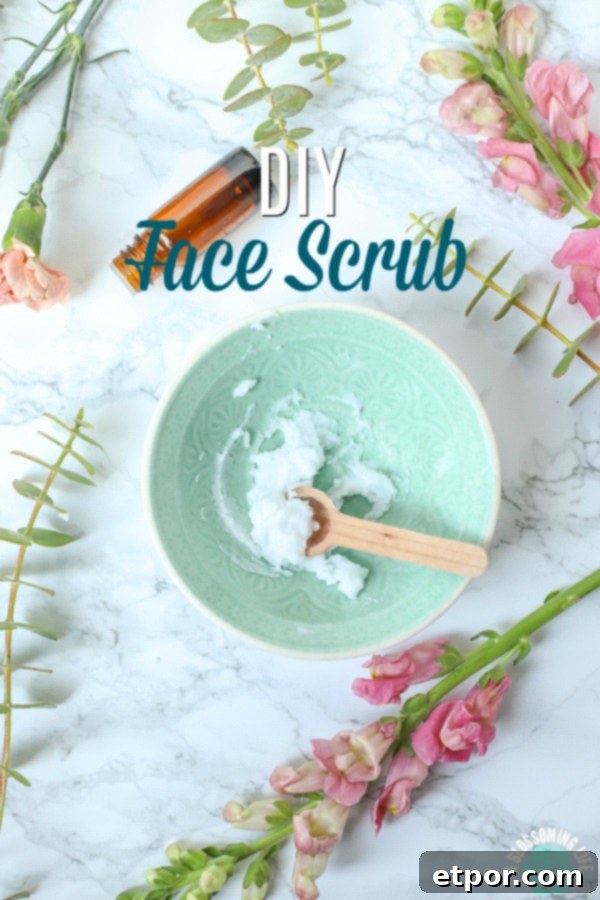
DIY Baking Soda Face Scrub: Achieve Radiant, Smooth Skin with This Simple Homemade Exfoliant
Discover the secret to luminous, soft skin with this incredibly simple, two-ingredient DIY baking soda face scrub. Crafted in just minutes, this homemade exfoliant is designed to leave your complexion feeling refreshed, deeply moisturized, and visibly glowing. Say goodbye to dullness and embrace a natural skincare routine that delivers amazing results right from your kitchen.
Table of Contents
To create this effective face scrub, you’ll need just three key components: baking soda, coconut oil, and optionally, your favorite essential oils.
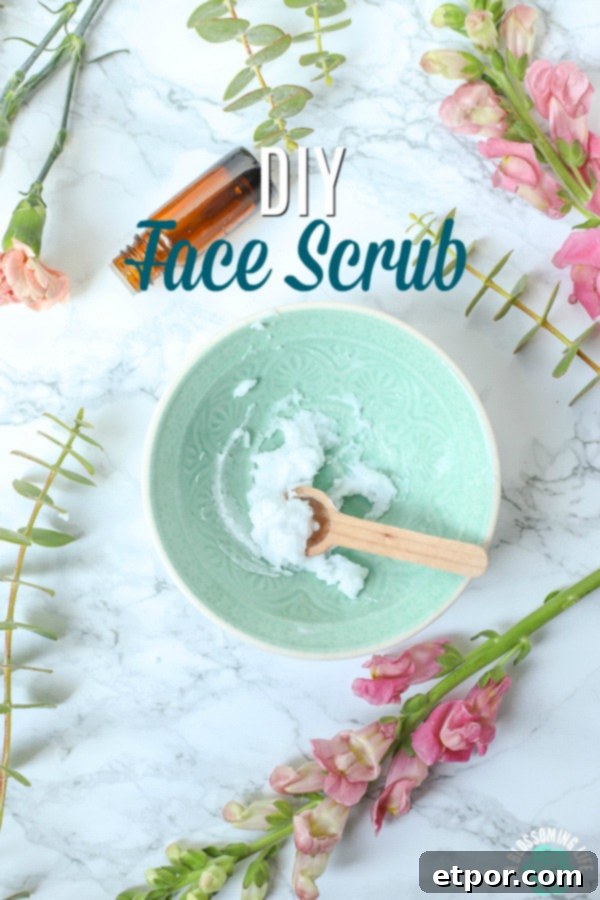
As the colder months settle in, many of us experience the unwelcome effects of dry, flaky skin. Despite consistent moisturizing with nourishing products like shea butter and aloe face cream or a luxurious body butter, our skin can still feel parched and lacklustre. This is where the power of exfoliation comes into play. If your face is showing signs of dryness and dullness, this incredibly simple homemade baking soda face scrub is poised to become your new skincare hero.
Regular exfoliation is essential for removing dead skin cells that accumulate on the surface, which can lead to a dull complexion and hinder moisturiser absorption. By gently sloughing away these impurities, you reveal the fresh, healthy skin underneath. This DIY face scrub will leave your skin feeling astonishingly soft, smooth, and supple, making it an indispensable addition to your regular beauty regimen.
What makes this scrub even better is its ease of preparation. You likely already have the necessary ingredients in your kitchen pantry. We’re talking about two common household staples that you probably use for cooking and baking: baking soda and coconut oil. This makes it an incredibly convenient and budget-friendly option for achieving spa-like results at home.
Consider dedicating a few minutes to this soothing skincare ritual. It’s the perfect way to carve out some relaxing “me-time” and treat yourself to a rejuvenating at-home spa experience, whether you’re preparing for a special occasion or simply indulging in self-care.
Baking Soda as a Gentle Exfoliator
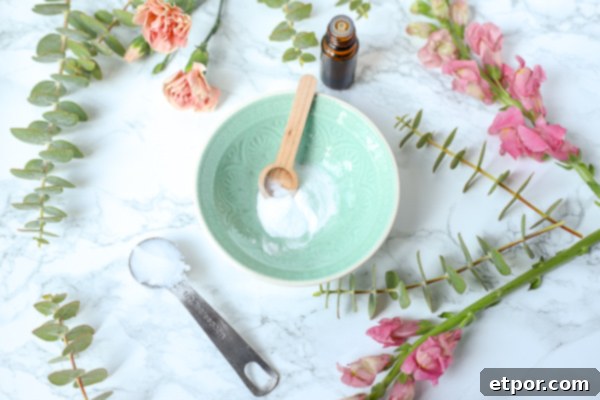
Baking soda, scientifically known as sodium bicarbonate, serves as the primary exfoliating agent in this DIY face scrub. Its finely granular texture makes it an excellent physical exfoliant, working to gently lift away dead skin cells, dirt, and impurities from the skin’s surface without being overly abrasive. This gentle action helps to prevent irritation, making it suitable for many skin types when used correctly.
Many users describe the exfoliating sensation of baking soda as akin to a mild microdermabrasion treatment, which helps to refine skin texture and promote a smoother, more radiant complexion. Beyond exfoliation, baking soda is also noted for its potential to help with acne by absorbing excess oil and gently cleansing pores. However, it’s crucial to approach its use with a degree of caution.
Some dermatological sources suggest that baking soda has an alkaline pH, which can potentially disrupt the skin’s natural slightly acidic pH balance (the acid mantle). Maintaining this acid mantle is vital for skin health, acting as a protective barrier against bacteria and environmental stressors. If the skin becomes too alkaline, it can lead to dryness, irritation, and increased sensitivity. Therefore, while baking soda can be a beneficial exfoliator, it’s not recommended for daily use. Over-exfoliation, especially with an alkaline substance, can strip the skin of its natural oils and protective barrier, leading to adverse reactions. We’ll delve deeper into recommended exfoliation frequency below to ensure you get the best results without compromising your skin’s health.
The Moisturizing Power of Coconut Oil
Complementing the exfoliating action of baking soda, coconut oil is the other star ingredient in this DIY face scrub, celebrated for its exceptional moisturizing and nourishing properties. Rich in fatty acids, particularly lauric acid, capric acid, and caprylic acid, coconut oil provides intensive hydration, leaving your skin feeling incredibly soft and supple.
Lauric acid, a medium-chain fatty acid found in abundance in coconut oil, also possesses natural antimicrobial and anti-inflammatory properties. This makes it beneficial for skin prone to acne or minor irritation, as it can help combat bacteria and soothe redness. When combined with baking soda, coconut oil acts as a carrier, forming a smooth paste that allows for gentle application while simultaneously delivering its hydrating and protective benefits.
The emollients in coconut oil help to lock in moisture, creating a protective barrier on the skin that prevents water loss, a crucial factor during dry winter months or for those with naturally dry skin. For best results, consider using organic, virgin coconut oil to ensure you’re getting the purest form of this beneficial ingredient, free from additives and chemicals. If you find solid coconut oil too heavy or prefer a lighter texture, a whipped coconut body butter variation can provide an even more luxurious and moisturizing experience for your face.
Tips for Making and Using Your DIY Baking Soda Face Scrub
- **Enhance with Essential Oils:** Elevate your scrub by adding a few drops of your favorite essential oils. These powerful botanical extracts can offer additional skincare benefits, from anti-inflammatory properties to skin-tightening effects. Consult the list below for some of the best essential oils for facial care.
- **Alternative Carrier Oils:** If coconut oil doesn’t agree with your skin, or if you simply don’t have it on hand, feel free to substitute it with another nourishing oil such as jojoba oil, almond oil, or olive oil. Be aware that the consistency of your scrub might vary; some oils may not create the same paste-like texture as coconut oil.
- **Mindful Exfoliation Frequency:** To prevent irritation and over-exfoliation, it’s crucial to use this scrub judiciously, ideally only 1-2 times per week. Over-exfoliating can compromise your skin’s protective barrier, leading to redness, sensitivity, and even breakouts.
- **Prepare Your Skin:** Before applying the scrub, gently warm your face with warm water. This helps to relax the skin and open up your pores, allowing the baking soda to work more effectively in cleansing and exfoliating.
- **Essential Oil Education:** For a deeper dive into the world of essential oils and their specific benefits for various skin concerns, explore my comprehensive Essential Oils Beginners Guide. It’s a fantastic resource for understanding how to safely and effectively incorporate these natural wonders into your skincare routine.
How To Make A Baking Soda Face Scrub
Gathering Your Simple Ingredients
- 1 teaspoon baking soda (adjust the amount slightly to achieve your preferred consistency and exfoliating strength)
- 1/2 to 1 tablespoon coconut oil, or for an extra boost of moisture, consider using whipped coconut body butter.
- 3-4 drops of high-quality essential oils (optional): excellent choices include frankincense, lavender, geranium, or any combination that suits your skin needs.
Mixing for Perfection
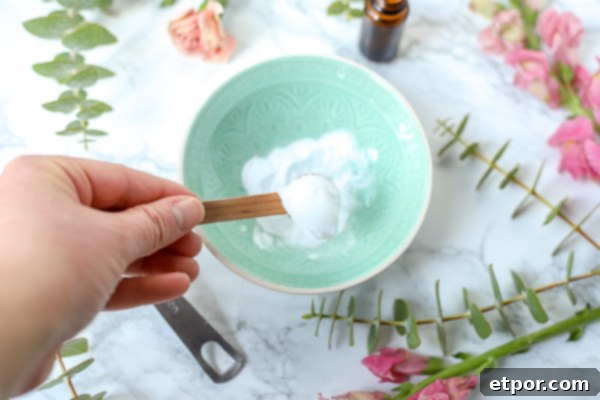
Combine the baking soda and coconut oil in a small bowl. Stir them together until you achieve a consistent paste. If using essential oils, add 3-4 drops to the mixture and stir well to ensure they are evenly distributed throughout the scrub.
Applying for Best Results
- Begin by wetting your face thoroughly with warm water. This helps to open your pores and prepare your skin for exfoliation.
- Take a small, pea-sized amount of the freshly prepared baking soda scrub onto your fingertips.
- Gently apply the scrub to your face, using light, circular motions. Focus on areas prone to dryness or congestion, but avoid harsh scrubbing or applying pressure, especially around the delicate eye area.
- Allow the scrub to sit on your face for no more than 30 seconds to a minute, if desired, to let the ingredients work their magic.
- Rinse the scrub off completely with warm water, ensuring no residue remains. Pat your face dry with a clean, soft towel.
- Immediately follow up with your favorite facial moisturizer to lock in hydration and soothe your freshly exfoliated skin. You’ll instantly feel how amazingly soft and smooth your skin has become!
What Essential Oils Are Good For Your Face?
Incorporating essential oils into your face scrub can offer targeted benefits, enhancing the overall efficacy of your skincare routine. Here are some top picks:
- Frankincense: Renowned for its rejuvenating properties, frankincense is excellent for mature skin. It can help reduce the appearance of fine lines and wrinkles, and may also assist in tightening and toning the skin.
- Lavender: A versatile oil, lavender is cherished for its soothing and anti-inflammatory qualities. It can help calm irritated skin, reduce redness, and promote a more even skin tone, making it ideal for sensitive or breakout-prone complexions.
- Geranium: This beautifully fragrant oil is a fantastic choice for balancing oily or combination skin. Geranium essential oil can help regulate sebum production, minimize the appearance of pores, and reduce the look of wrinkles, contributing to a more balanced and youthful appearance.
- Ylang Ylang: Known for its ability to balance skin’s oil production, ylang ylang can be particularly beneficial for oily and acne-prone skin. It also supports healthy cell turnover, promoting a more vibrant and youthful complexion.
- Chamomile (Roman): With its powerful anti-inflammatory and calming properties, Roman Chamomile is an excellent choice for dry, sensitive, or easily irritated skin. It helps to soothe and reduce redness, promoting a comfortable and healthy complexion.
- Clary Sage: This herbaceous essential oil is celebrated for its ability to reduce puffiness and soothe inflamed skin. It can contribute to a more revitalized and balanced skin appearance, making it a great addition for tired-looking skin.
How Often Should You Exfoliate Your Face?
While exfoliation is a vital step in maintaining healthy, radiant skin, it’s crucial to get the frequency right. For most skin types, it is recommended to exfoliate your face only 1-2 times per week. This allows enough time for new skin cells to form and reach the surface, while preventing the common pitfalls of over-exfoliation.
Over-exfoliating your skin can lead to a host of detrimental effects. It can strip away your skin’s natural protective barrier, leading to increased redness, heightened sensitivity, and chronic irritation. You might experience persistent dryness, a tight feeling, or even a burning sensation. In severe cases, over-exfoliation can cause a rash, trigger breakouts, or make your skin more susceptible to bacterial infections as its natural defenses are compromised (source). Listening to your skin and observing how it reacts after each exfoliation is key to finding the optimal frequency for your individual needs. Remember, gentle and consistent care is far more beneficial than aggressive, frequent treatments.
Patch Testing: A Crucial Step for DIY Skincare
Before applying any new homemade skincare product, especially one containing active ingredients like baking soda or essential oils, it is highly recommended to perform a patch test. This simple step can help you identify any potential sensitivities or allergic reactions before applying the product to your entire face.
To conduct a patch test, apply a tiny amount of the prepared baking soda face scrub to an inconspicuous area of your skin, such as behind your ear or on a small patch of skin on your inner forearm. Leave it on for the recommended duration (as you would for your face) and then rinse it off. Wait 24 to 48 hours to observe for any signs of irritation, redness, itching, swelling, or discomfort. If no adverse reactions occur, it’s generally safe to proceed with using the scrub on your face. This precautionary measure ensures a safer and more enjoyable DIY skincare experience.
Customizing Your Scrub for Different Skin Types
While this baking soda and coconut oil scrub is generally well-tolerated, you can easily customize it to better suit specific skin types:
- **For Dry Skin:** If your skin is particularly dry, consider increasing the ratio of coconut oil slightly to baking soda, or add an extra drop of a nourishing oil like avocado or argan oil. This will make the scrub more emollient and less abrasive. Essential oils like chamomile or frankincense can also provide added hydration and soothing benefits.
- **For Oily/Acne-Prone Skin:** For those with oilier or acne-prone skin, you might prefer a slightly higher ratio of baking soda for more intense exfoliation, but always proceed with caution and observe your skin’s reaction. Essential oils such as tea tree (for its antibacterial properties, used sparingly) or geranium (for oil balancing) can be beneficial additions.
- **For Sensitive Skin:** If you have sensitive skin, start with a very small amount of baking soda and a higher proportion of coconut oil to create a milder scrub. Apply with extremely light pressure and reduce the frequency of use to once a week or even bi-weekly. Always perform a patch test first. Lavender or Roman chamomile essential oils are excellent choices for their calming properties.
- **For Combination Skin:** You can adapt the scrub by focusing the baking soda-heavy mixture on oily areas (like the T-zone) and using a more oil-rich mixture on drier areas, or simply using the standard recipe and adjusting pressure according to different zones.
Remember, the goal is gentle exfoliation and nourishment, so adjust the ingredients and application technique to best suit your unique skin needs.
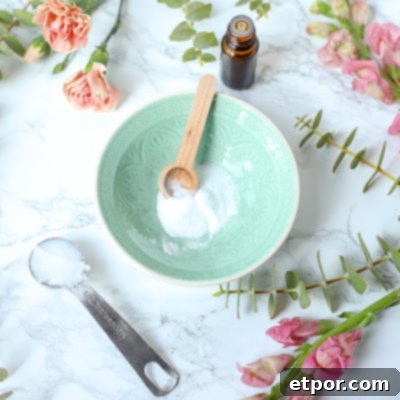
DIY Baking Soda Face Scrub
This recipe is incredibly quick and easy to make, delivering fantastic results.
Equipment
- Measuring spoon
- Small bowl
Ingredients
- 1 tsp baking soda (adjust to your preference)
- 1/2-1 tbs coconut oil (or whipped coconut body butter for extra moisture)
- 3-4 drops essential oils (e.g., frankincense, lavender, geranium – optional)
Instructions
- Combine all ingredients in a small bowl and mix thoroughly until a smooth paste forms.
To Use:
- Wet your face with warm water. Gently take a small amount of the scrub in your hands and rub it over your face in small circular motions. Rinse thoroughly with warm water, pat dry, and enjoy your incredibly soft skin.
Notes
- If coconut oil is not suitable for your skin or unavailable, substitute with another carrier oil like jojoba, almond, or olive oil. Note that the texture may vary.
- Limit use to 1-2 times per week to prevent over-exfoliation and maintain skin health.
- Always wet your face with warm water before application to help open pores and optimize exfoliation.
- For more detailed information on essential oils and their benefits for skin, refer to the Essential Oils Beginners Guide.
Other Natural DIY Face Scrub Recipes
While the baking soda scrub is fantastic, exploring other natural options can diversify your skincare routine and cater to different skin needs. Here are a couple more popular and effective homemade face scrub recipes:
Invigorating Coffee Face Scrub
This is undeniably one of my top picks for homemade face scrubs. Coffee grounds offer both physical exfoliation and the amazing benefits of caffeine. Caffeine is a powerful antioxidant that can help decrease inflammation, reduce puffiness, and improve circulation, giving your skin a more toned and radiant appearance. To make a coffee face scrub, simply mix finely ground coffee with a carrier oil like coconut or olive oil, and optionally add a touch of honey for extra hydration. Gently massage onto wet skin, then rinse thoroughly. It’s a fantastic way to wake up your skin!
Nourishing Honey Sugar Scrub
This delightful scrub combines the gentle exfoliation of sugar with the moisturizing and antiseptic properties of honey, making it perfect for sensitive or dry skin.
- 1 Tablespoon Sugar (fine-grain sugar is best for the face)
- 1 teaspoon honey (raw honey is preferred for its natural enzymes)
- 1/2 – 1 teaspoon oil – avocado oil, olive oil, jojoba oil, or apricot oil (choose based on your skin type)
Directions: Mix all ingredients thoroughly in a small bowl until well combined. Apply to wet skin, gently scrubbing in a circular motion for about 30-60 seconds. Rinse off completely with warm water and pat dry. This scrub leaves skin feeling incredibly soft and hydrated.
Why Choose Homemade Skincare?
Opting for homemade skincare products like this baking soda face scrub comes with a multitude of benefits. Firstly, it offers unparalleled control over the ingredients, ensuring you know exactly what you’re putting on your skin – no hidden chemicals, artificial fragrances, or unnecessary additives. This is particularly beneficial for those with sensitive skin or allergies.
Secondly, DIY skincare is incredibly cost-effective. Many of the ingredients, like baking soda and coconut oil, are kitchen staples, making these scrubs literally cost pennies to make. This allows you to maintain a high-quality skincare routine even on a tight budget. Finally, there’s immense satisfaction in creating your own beauty products. It’s a mindful act of self-care that empowers you to take charge of your well-being with natural, effective solutions.
It truly can’t get much simpler or more inexpensive than that. Being mindful of your budget doesn’t mean compromising on quality skincare. Luckily, this DIY approach offers the perfect solution. You don’t need to invest in anything special or expensive, as the ingredients are likely already in your kitchen. And because you only use such small amounts, the cost is minimal. Go ahead and give it a try. I am confident you will be amazed by the radiant, soft results!