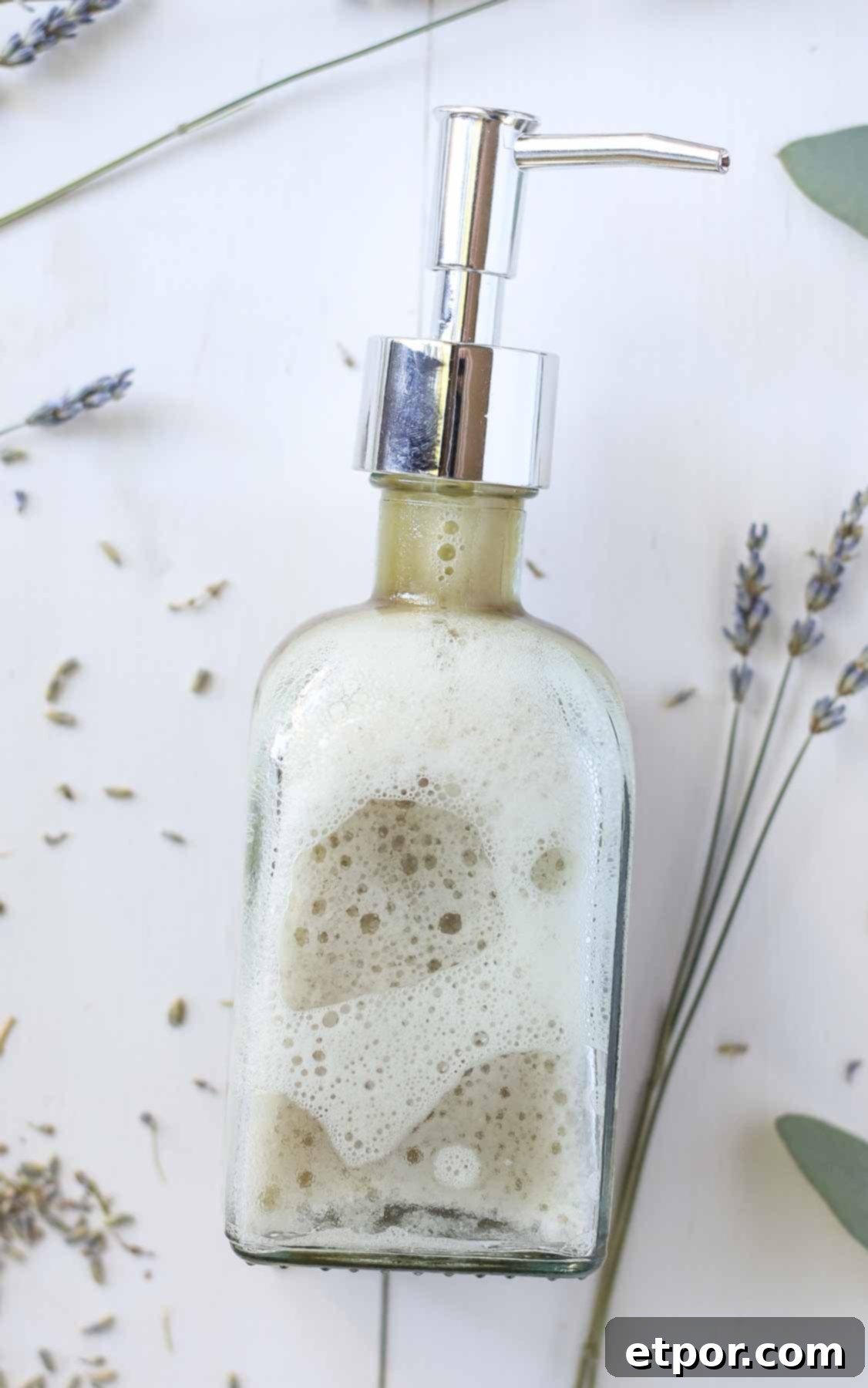
Nourish Your Skin: The Ultimate DIY Natural Honey Face Wash Recipe
Embark on a journey to purer, healthier skin with our incredible homemade face wash recipe. Ditching commercial products filled with harsh chemicals and opting for natural alternatives is not just a trend, it’s a mindful choice for both your skin and the environment. Many believe that natural skincare comes with a hefty price tag, especially when purchasing from specialty brands. However, creating your own effective and gentle skincare at home can be incredibly simple and budget-friendly. This natural honey cleanser is an ideal starting point for anyone looking to transition to homemade beauty products, offering a delightful blend of simplicity and efficacy.
My personal quest for non-toxic and eco-friendly products has led to the discovery and refinement of many simple, effective recipes, and this facial cleanser stands out as a true gem. While I adore my homemade makeup remover for daily use, I reach for this DIY face cleanser one or twice a week when my skin craves an extra deep, yet gentle, purification. What makes this recipe truly special is its ability to cleanse thoroughly without stripping your skin of its vital natural oils. It’s particularly beneficial for those with dry skin, as the nourishing oils and raw honey work harmoniously to hydrate and soothe, while the lavender-infused water calms any irritation.
This exceptional recipe was initially crafted for a free Natural Skin Mini Guide, but its remarkable effectiveness meant it was too good not to share with a wider audience. Its beauty lies in its simplicity—natural ingredients, straightforward steps, and excellent results, perfectly aligning with a philosophy of uncomplicated living. Plus, this homemade face wash is incredibly adaptable, allowing you to customize it to meet your unique skin needs. Dive into the tips and ingredient swaps below to tailor this cleanser for your perfect skincare routine.
Table of Contents
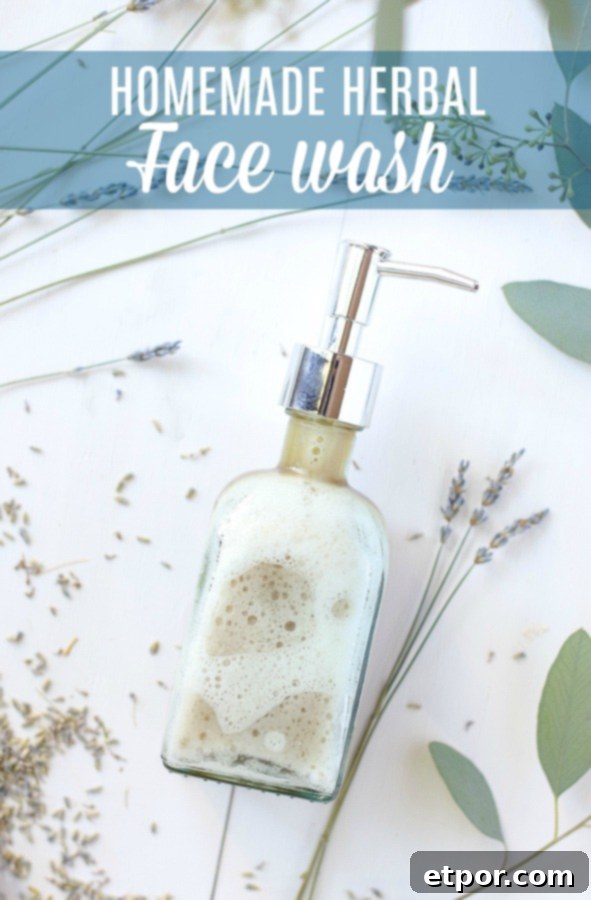
Homemade Face Wash Recipe Highlights:
This natural face wash isn’t just easy to make; it’s formulated with thoughtful ingredients to offer a range of benefits for your complexion:
- Ideal for Sensitive Skin: Crafted with exceptionally soothing components like lavender and honey, this cleanser minimizes the risk of irritation, making it perfect for even the most delicate skin types.
- Potent Anti-inflammatory Properties: If you frequently experience skin redness or irritation, this gentle facial cleanser is your ally. Ingredients such as lavender, raw honey, and select carrier oils are renowned for their anti-inflammatory capabilities, helping to calm and restore distressed skin.
- Deeply Moisturizing: Unlike many conventional cleansers that strip away your skin’s essential natural oils, this homemade solution is designed to hydrate. It cleanses effectively while maintaining your skin’s natural moisture barrier, leaving it feeling soft and supple, never tight or dry.
- Remarkably Easy to Prepare: Don’t be intimidated by the idea of DIY skincare. This face wash recipe is incredibly straightforward, requiring minimal time and effort. In just a few minutes, you can create a fresh, natural product that outperforms many store-bought alternatives.
Tips for Best Results & Customization:
One of the greatest advantages of crafting your own natural skincare is the ability to customize it to your specific needs. Here are some tips to help you get the most out of this homemade face wash:
- Essential Oil Selection: Tailor your cleanser by choosing essential oils that address your skin concerns. Frankincense is known for its anti-aging and skin-rejuvenating properties, lavender for its calming and healing effects, and ylang-ylang can help balance oil production. For acne-prone skin, tea tree oil (melaleuca) is an excellent choice due to its powerful antibacterial properties.
- Alternate with Other Cleansing Methods: This face wash is gentle enough for daily use. However, for a truly comprehensive skincare routine, consider incorporating the oil cleansing method a few times a week. This technique effectively dissolves makeup and impurities using oils, offering a deeper clean that complements the honey cleanser.
- Water Quality Matters: While the boiling process makes tap water technically safe, using distilled water helps further deter bacterial growth and ensures a purer product, especially if you plan to make larger batches.
- Experiment with Herbal Infusions: Beyond lavender, explore other beneficial dried herbs. Rose petals offer soothing and toning benefits, while chamomile flowers are known for their anti-inflammatory and calming effects. Infusing your water with these herbs adds an extra layer of therapeutic goodness.
- Adjust for Your Skin’s Hydration Needs: If you find the initial ratio of castile soap to water a bit too drying for your skin, simply add a little more water to dilute it further. Your skin will tell you what it likes best!
- Foaming Dispenser for Longevity: Using a foaming soap dispenser not only creates a luxurious lather but also helps conserve the product, making it last longer. It transforms this gentle liquid into an airy, foaming cleanser, enhancing the user experience.
The following are affiliate links. We are a participant in the Amazon Services LLC Associates Program, an affiliate advertising program designed to provide a means for us to earn fees by linking to Amazon.com and affiliated sites.
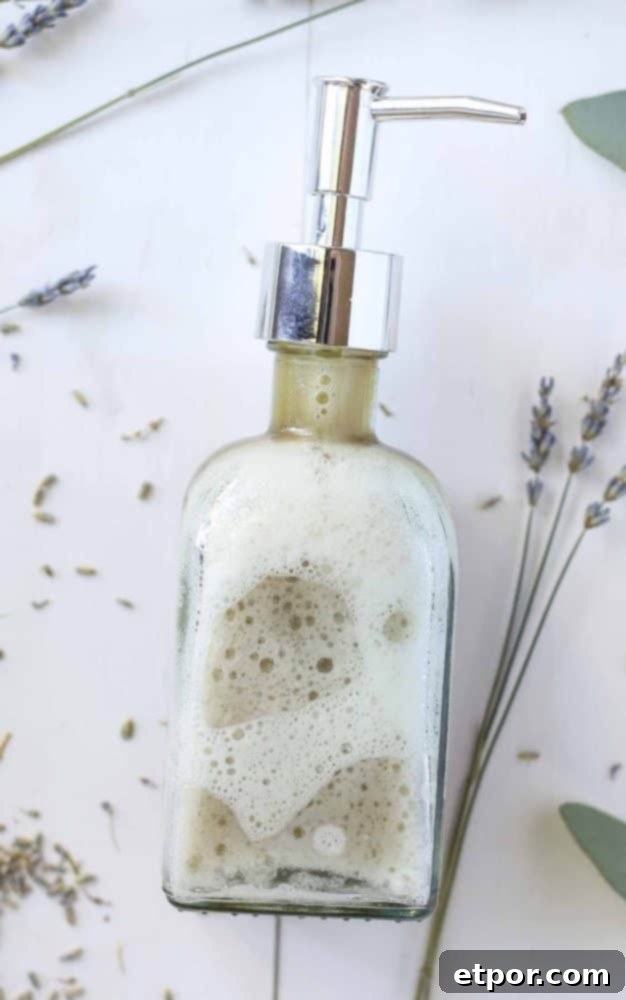
Understanding the Key Ingredients:
Each component in this homemade face wash plays a crucial role in its effectiveness and gentleness:
- Liquid Castile Soap: This is the backbone of our cleanser. Derived from natural vegetable oils, castile soap is incredibly concentrated, biodegradable, and free from harsh detergents. It provides the cleansing power without stripping the skin.
- Infused Water (Lavender Water): While plain distilled water works, infusing it with herbs like lavender elevates the benefits. Lavender is celebrated for its soothing, anti-inflammatory, and antiseptic properties, making the water a therapeutic base for your cleanser. You can also opt for a pre-made hydrosol (floral water) for convenience and added benefits from other botanicals like rose or chamomile.
- Honey: A true miracle ingredient for the skin! Raw honey boasts natural antibacterial qualities, making it excellent for fighting blemishes. Furthermore, it’s a humectant, meaning it attracts and retains moisture, providing exceptional hydration to the skin. Always aim for raw, unpasteurized honey to maximize its enzymatic and nutrient benefits.
- Carrier Oil: This ingredient is vital for adding moisture and helping to balance the skin’s natural sebum production. The right carrier oil can nourish, protect, and contribute to the overall health of your skin. We’ll delve into specific recommendations for different skin types shortly.
- Essential Oils: These potent plant extracts offer targeted therapeutic benefits. Certain essential oils can help manage specific skin concerns—for instance, ylang-ylang is excellent for balancing oily skin, while tea tree oil (melaleuca) is a powerful ally against acne due to its antimicrobial properties. Always dilute essential oils properly.
Choosing the Right Carrier Oil for Your Skin:
Selecting the perfect carrier oil is key to customizing this DIY face wash. Here’s a guide to help you pick the best one for your unique skin type:
- Olive Oil: Rich in oleocanthal, olive oil is a fantastic choice for calming inflamed skin and reducing irritation. It’s deeply nourishing and leaves the skin feeling soft and protected.
- Avocado Oil: Packed with beneficial fatty acids (like oleic acid), Vitamin E, and other essential nutrients, avocado oil is an excellent moisturizer. It’s particularly beneficial for dry, mature, or damaged skin, helping to restore its vitality and elasticity.
- Argan Oil: Often referred to as “liquid gold,” argan oil is brimming with vitamins (A, C, E), antioxidants, and omega-6 fatty acids. These work synergistically to replenish, deeply nourish, and protect the skin from environmental stressors like UV damage and free radicals. It’s suitable for most skin types, including oily and acne-prone skin, as it’s non-comedogenic.
- Apricot Oil: (This is my personal favorite!) Rich in vitamins A and E, apricot oil helps diminish the signs of aging. It also contains gamma linoleic acid, which contributes to skin toning and firming. It’s an incredibly moisturizing yet light oil, making it wonderful for soothing dry, sensitive skin without feeling heavy.
- Jojoba Oil: Arguably one of the best carrier oils, jojoba oil closely mimics the skin’s natural sebum. This makes it exceptional for balancing oil production in oily skin while providing deep moisture to dry skin. It’s superb for soothing dryness, reducing redness, calming inflammation, and aiding in skin repair.
- Fractionated Coconut Oil: An excellent option for those with acne-prone skin. It’s moisturizing, naturally antibacterial, and antifungal, which can help combat breakouts. It’s crucial to use *fractionated* coconut oil in this recipe, as regular coconut oil can solidify and create a chunky texture, especially in cooler temperatures.
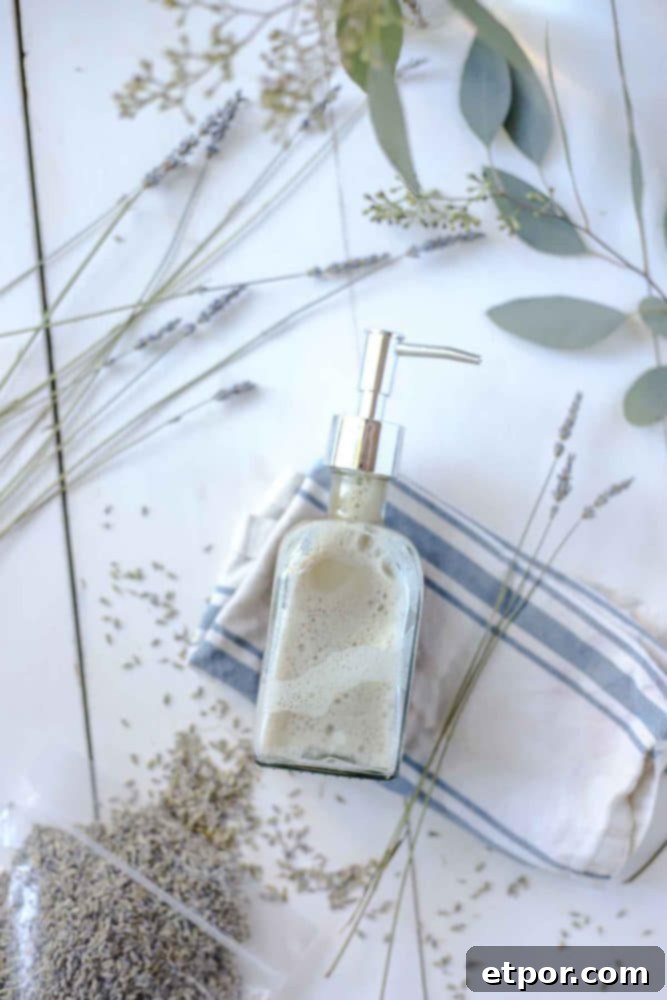
How To Make DIY Natural Face Wash:
Creating your own natural face wash is surprisingly simple. Follow these steps to whip up a fresh batch of this nourishing cleanser:
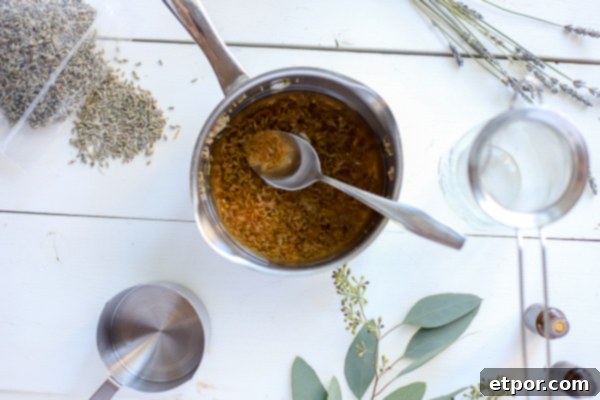
- Prepare the Infused Water: In a small saucepan, combine 1 cup of water with 2 tablespoons of dried lavender flowers (or your chosen dried herbs). Bring the mixture to a gentle simmer. Continue to simmer for about 5-10 minutes, or until the liquid has reduced by half, concentrating the herbal benefits. Remove from heat and allow it to cool completely. This step ensures the essential compounds from the herbs are infused into the water.
- Combine Base Ingredients: While the lavender water is cooling, gather your other ingredients. In a clean glass container (such as a liquid soap dispenser or bottle), add 1/3 cup of liquid castile soap, 1 tablespoon of your chosen carrier oil, and 1 tablespoon of raw honey.
- Strain and Mix: Once the infused lavender water has cooled, strain out the dried lavender flowers using a fine-mesh sieve. Discard the spent herbs. Pour the cooled, strained lavender water into the glass container with the honey, oil, and castile soap.
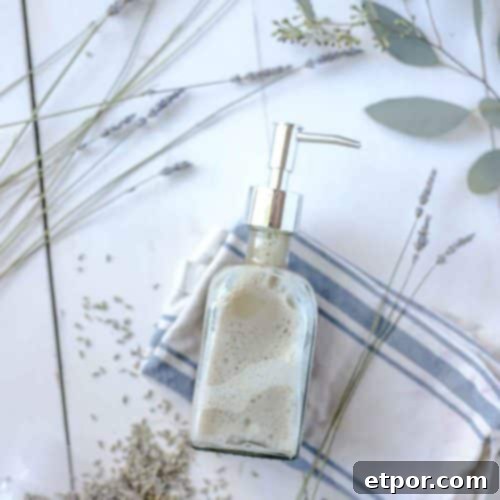
- Add Essential Oils: Finally, add 10 drops of your preferred essential oils. Secure the lid tightly and give the bottle a good shake to thoroughly combine all the ingredients. Separation is natural due to the oil and water components, so remember to shake before each use.
How to Use Your Homemade Cleanser:
- Prepare Your Face: Begin by dampening your face thoroughly with warm water. This helps to open up pores and prepare your skin for cleansing.
- Lather and Apply: Dispense a small amount of the natural face cleanser into your hands. Rub your hands together gently to create a light lather.
- Cleanse: Gently massage the cleanser over your face in circular motions for approximately one minute. Pay attention to areas where makeup or impurities tend to accumulate.
- Rinse and Follow Up: Rinse your face thoroughly with warm water until all traces of the cleanser are gone. For a complete and refreshing skincare routine, follow up with a DIY toner to balance your skin’s pH, and then apply a nourishing moisturizer to lock in hydration.
For my nighttime routine, I often incorporate a double-cleansing method. First, I use an oil cleanser to break down makeup and sunscreen, and then I follow up with this homemade facial cleanser. This two-step approach ensures my skin is impeccably clean, free of all makeup and environmental pollutants, without ever feeling dry or tight. While writing it out might make it seem intricate, the routine is wonderfully simple in practice: wash, spritz with toner, moisturize, and you’re good to go! I sincerely hope you find as much joy and benefit from this simple herbal face wash as I do.
Discover More Homemade Beauty Products:
- DIY Face Toner: This refreshing toner will leave your skin feeling invigorated, balanced, and clearer, preparing it perfectly for subsequent skincare steps.
- Homemade Face Serum: Elevate your skincare with my absolute favorite homemade face serum recipe, designed to nourish and rejuvenate your complexion.
- Easy Foaming Natural Hand Soap: A true staple in our household! This ridiculously simple recipe creates a luxurious foaming hand soap that’s gentle on hands and kind to the environment.
- Best Homemade Dry Shampoo: For those busy days, this dry shampoo is a lifesaver. It refreshes hair between washes, extends your style, and is something I truly couldn’t live without!
Making the switch to natural skincare doesn’t have to be complicated or costly. This simple, effective, and natural DIY face wash recipe is the perfect introduction to creating your own beauty essentials. If you try this recipe and fall in love with its benefits, please consider coming back to leave a 5-star rating and share your experience. Your feedback is greatly appreciated!
Homemade Face Wash Recipe Card
Print Recipe
Pin Recipe
Save This Recipe
We’ll get it sent to your inbox! Plus, get new recipes from us every week.
Ingredients
- 1/3 Cup Liquid Castile Soap
- 1 Cup Distilled Water (boiled down to 1/2 cup)
- 2 Tbs Dried Lavender (Optional, for infusion)
- 1 Tbs Carrier Oil
- 1 Tbs Raw Honey
- 10 Drops Essential Oils (e.g., Lavender, Tea Tree, Ylang Ylang)
Instructions
-
In a small saucepan, combine 1 cup of distilled water and 2 tablespoons of dried lavender (or other herbs). Bring to a simmer and let it reduce to about 1/2 cup over 5-10 minutes. Set aside to cool completely.
-
In a clean glass container or soap dispenser, add the honey, your chosen carrier oil, and the liquid castile soap.
-
Strain the cooled lavender water to remove the dried flowers, then pour the infused water into the container with the other ingredients.
-
Add 10 drops of your preferred essential oils. Close the container tightly and shake well to combine all ingredients.
Notes
- Natural separation may occur. Simply shake the bottle well before each use to re-emulsify the ingredients.
- Customize your essential oils: Frankincense, lavender, and ylang-ylang are excellent for various skin benefits. For acne-prone skin, consider tea tree oil.
- This cleanser can be used daily, or you can alternate with the oil cleansing method for a double-cleanse routine.
- Using distilled water helps prevent bacterial growth, though boiled tap water is sufficient since the recipe calls for heating the water.
- Feel free to experiment with other dried herbs for infusion, such as rose petals or chamomile flowers, to add different therapeutic benefits.
- If the face wash feels too drying, adjust the ratio by adding a little more water until you achieve your desired consistency and gentleness.
- For a luxurious and economical experience, use a foaming soap dispenser. It makes the cleanser last longer and creates a delightful foam.
Have you ventured into the world of making your own natural beauty products? What are your must-have DIY favorites that you simply can’t live without? Share your experiences and insights in the comments below!