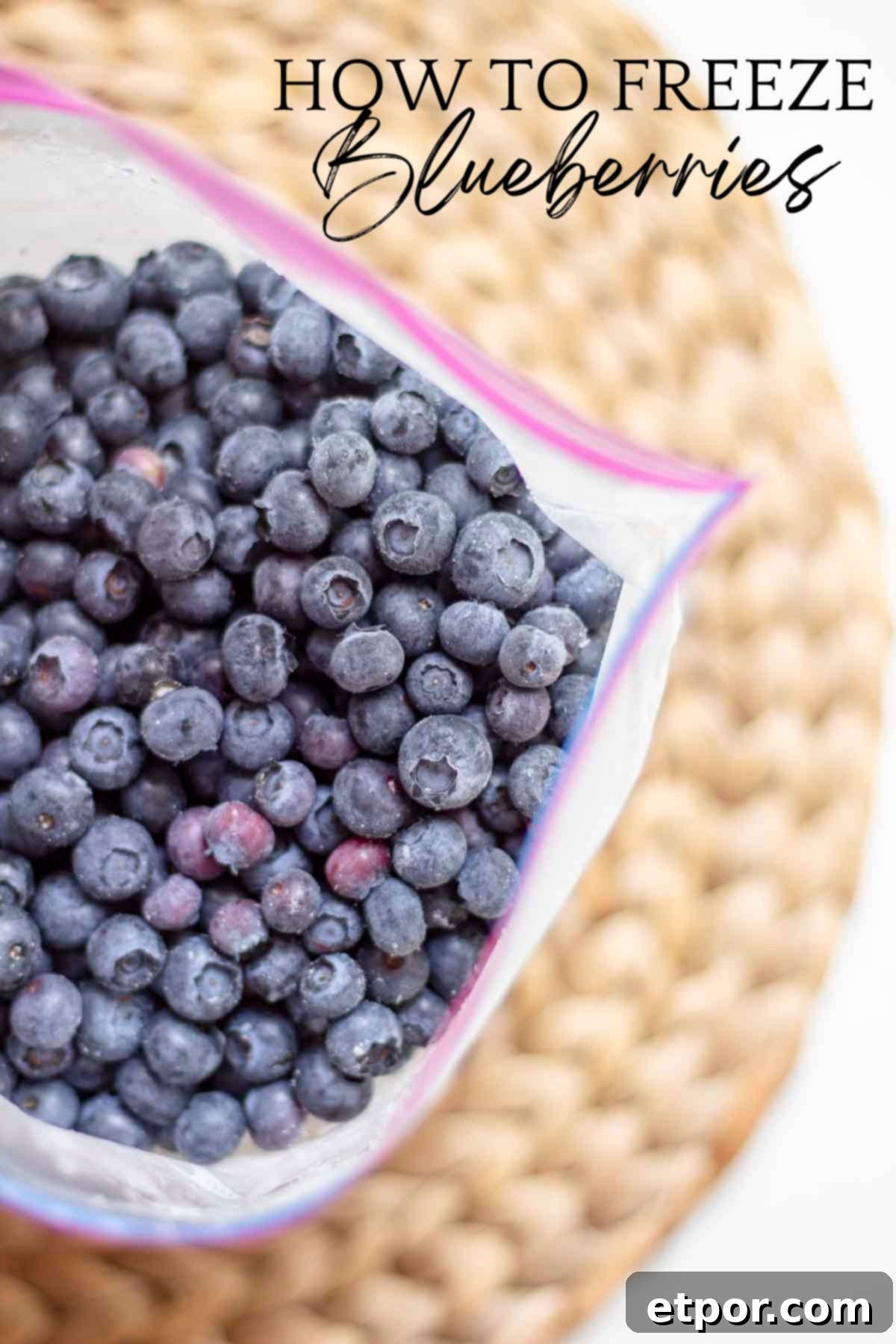
How to Freeze Blueberries: Your Ultimate Guide to Year-Round Freshness
Blueberry season is a truly magical time, a highlight of summer in regions like the Pacific Northwest where the fruit ripens abundantly. The vibrant burst of flavor from freshly picked blueberries is unparalleled, but what if you could enjoy that taste all year long? With this simple guide, you’ll discover how easy it is to preserve the goodness of blueberries by freezing them, ensuring a steady supply for your favorite recipes, no matter the season. Forget complicated preserving methods; I’ll share straightforward tips and techniques for freezing fresh blueberries that anyone can master.
Table of Contents
Toggle
The arrival of blueberry season truly marks one of my favorite times of the year. Beyond the stunning Pacific Northwest summers, it’s the abundance of incredible, fresh produce that makes this period so special. Just recently, my sweet daughter, August, celebrated her third birthday, and her sole request was a blueberry-picking adventure. Her vision? To gather enough berries to create delicious homemade blueberry pie, the best blueberry oatmeal cookies, or some delightful blueberry sourdough rolls.
I suggested a morning at the park followed by an afternoon of picking, but the birthday girl, with her undeniable wisdom, insisted we prioritize the blueberries before anything else. And so, her wish was granted. We embarked on our annual pilgrimage to a local farm, where the gracious owners welcomed us with open arms, encouraging us to savor as many juicy blueberries as our hearts desired while we picked. Challenge, gleefully accepted!
August, with surprising focus for a three-year-old, meticulously selected only the plumpest, most intensely purplish-blue fruits. When I playfully reminded her she could enjoy a few while she worked, she responded with a serious, “No, Mom, I’m busy picking them!” Her dedication was admirable, if not a little amusing.
My life is a delightful juggle of caring for a small farm (a recent, joyful addition!), managing our animals, preserving our harvest, supporting our church community, and running this very blog, all while raising a toddler and a baby. The ability to utilize local farms and their incredible bounty is a blessing, allowing my homesteading dreams to flourish even while living close to town. Today, I’m excited to share two incredibly simple methods for freezing blueberries: one with a quick wash, and one without. Freezing blueberries is, hands down, one of the easiest and most rewarding food preservation tasks you can undertake.
Why You’ll Love This Blueberry Freezing Tutorial
Freezing blueberries is a fantastic way to ensure you have access to this nutritious and delicious fruit throughout the year, offering numerous benefits:
- No Farm Necessary: You don’t need to own acres of land or cultivate your own blueberry bushes to enjoy the fruits of a plentiful harvest. Visiting a “U-pick” farm is an excellent alternative. Not only do you get a significant discount compared to pre-picked berries at the grocery store, but you also have the freedom to pick as much as your heart desires. Our personal goal this year is to harvest and freeze enough blueberries to last us an entire year, aiming for approximately 5 pounds per month, in addition to enjoying plenty of fresh berries. This means we plan to freeze at least 60 pounds, which will likely require multiple trips to the farm!
- Substantial Cost Savings: Frozen blueberries can be quite expensive at the supermarket. For instance, the most economical frozen blueberries I’ve found at warehouse clubs typically cost around $3.33 per pound. By picking them ourselves, we can bring that cost down to approximately $2 per pound. This seemingly small difference of $1.33 per pound adds up to significant savings – roughly $110 annually, just for the frozen supply! It’s a truly effective way to preserve the harvest and reduce your grocery expenses all year long.
- Connect with Your Food Source: There’s immense satisfaction in knowing exactly where your food comes from. Picking your own blueberries creates wonderful memories, especially with family, and instills a sense of pride in the food you bring to your table. It’s an empowering feeling to be actively involved in your food supply chain.
- Incredibly Versatile: Once frozen, these berries become an incredibly versatile ingredient. They can be added directly to smoothies, baked into muffins, pies, and crumbles, stirred into oatmeal or yogurt, or even enjoyed as a refreshing snack straight from the freezer. Their utility in the kitchen is practically endless.
- Reduce Food Waste: Fresh blueberries have a limited shelf life. Rather than risking them going bad on your counter before you can consume them all, freezing is an excellent method to prevent waste. By freezing excess berries, you extend their usability, save money, and contribute to a more sustainable kitchen.
Embracing food preservation doesn’t always require a traditional homestead. Even without a vast farm, you can actively pursue your homesteading aspirations by leveraging local resources and smart preservation techniques. In many ways, I’m grateful for the flexibility of not (yet) having a full-scale farm, as it allows us to discover and utilize these resourceful alternatives.
Health Benefits of Frozen Blueberries
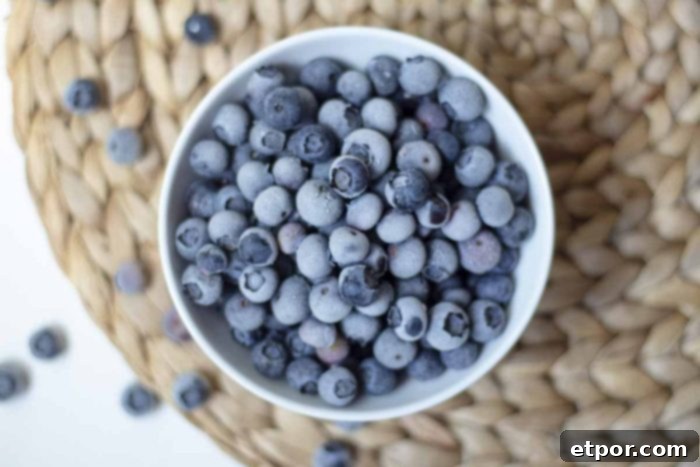
One of the greatest advantages of freezing fresh blueberries at the peak of their ripeness is that you effectively lock in their nutritional value. Fruits and vegetables that are picked prematurely for long-distance shipping, or those that linger on grocery store shelves for extended periods, can begin to lose some of their vital nutrients. Freezing, when done correctly, halts this degradation.
Blueberries are truly a powerhouse of nutrition, making them an ideal, healthy snack at any time. They are particularly rich in antioxidants, which are crucial for fighting oxidative stress in the body. They also provide a good dose of essential vitamins, notably Vitamin C, which supports immune function, and Vitamin K, important for bone health. Furthermore, blueberries are an excellent source of dietary fiber, aiding in digestive health and promoting a feeling of fullness. All of these benefits come in a low-calorie package, making them a guilt-free addition to almost any meal or snack.
Inspiring Blueberry Recipes
Once you have a stash of frozen blueberries, the culinary possibilities are endless! Here are some fantastic recipes to get you started:
- Gluten Free Blueberry Pie: A family favorite, this pie is perfect for showcasing the sweet and tangy flavor of blueberries.
- Try this refreshing Blueberry Basil Lemonade: Don’t let the unusual combination deter you; blueberries and basil create a surprisingly magical and incredibly refreshing beverage.
- During the winter months, use your frozen blueberries to make this cozy Blueberry Dutch Baby: A puffy, oven-baked pancake that’s both impressive and simple.
- Blueberry Lemon Cheesecake Ice Cream Sandwiches: These are absolutely divine, and the recipe includes no-churn ice cream with a gluten-free option!
- For a delightful breakfast or brunch, consider these vegan blueberry pancake muffins.
Essential Blueberry Freezing Tips
To ensure the best results when freezing your blueberries, keep these crucial tips in mind:
- Ensure Berries Are Completely Dry: This is perhaps the most important tip. Any moisture on the surface of the blueberries will turn into ice crystals in the freezer, causing them to stick together and potentially become mushy upon thawing. A thorough drying process is key to individual, free-flowing frozen berries.
- Source Smartly: If you don’t have access to a local blueberry farm for picking, plan to purchase fresh blueberries from the grocery store during their peak season, typically summer, when prices are at their lowest. This is when you’ll find the best quality and value for freezing.
- Buy in Bulk from Farms: For those fortunate enough to have farms nearby, purchasing directly in bulk can lead to significant cost savings compared to smaller quantities. Many farms offer discounts for larger purchases, making it an ideal strategy for stocking up your freezer.
- Proper Storage Technique: For optimal space efficiency and ease of use, store your frozen blueberries flat in freezer-safe bags. Laying them flat allows you to stack multiple bags, maximizing your freezer storage capacity.
- Choose Ripe Berries: Select blueberries that are firm, plump, and deeply colored. Avoid any soft, shriveled, or green berries, as their flavor and texture will not improve in the freezer.
- Remove Stems and Debris: Before freezing, quickly sort through your blueberries to remove any stems, leaves, or unripe berries. This small step saves you time and effort later when you’re ready to use them.
Tools You May Need
Gathering a few basic tools will make your blueberry freezing process seamless:
- Freezer-Safe Bags or Containers: I highly recommend gallon-sized freezer bags for their flexibility and space-saving qualities. Alternatively, you can use other types of freezer-safe containers such as plastic tubs with airtight lids, or even glass jars if you prefer to minimize plastic use. Ensure whatever you choose is designed to withstand freezing temperatures without cracking.
- Colander: Essential for rinsing your blueberries if you choose to wash them before freezing.
- Rimmed Baking Sheet: While not always strictly necessary (as explained below), a rimmed baking sheet is useful for flash-freezing berries in a single layer, which guarantees they won’t clump together.
- Clean Kitchen Towels or Paper Towels: Crucial for thoroughly drying your blueberries, preventing ice crystals and mushiness.
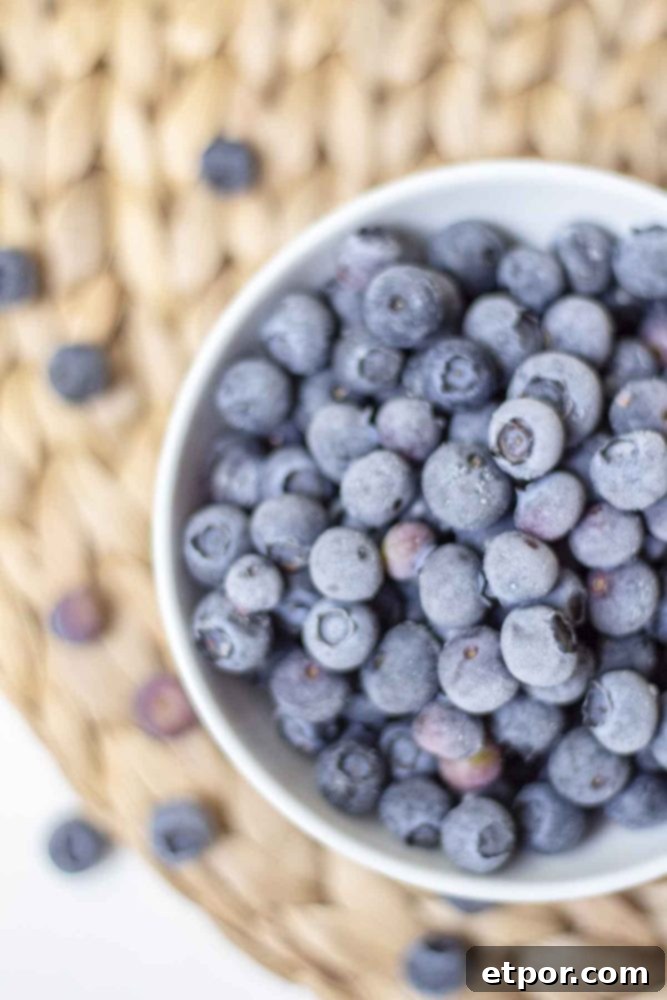
How to Freeze Blueberries – With Washing
If you prefer to wash your blueberries before freezing, perhaps for peace of mind regarding cleanliness or if you’re unsure about their origin, follow these simple steps:
Step One: Rinse and Thoroughly Dry
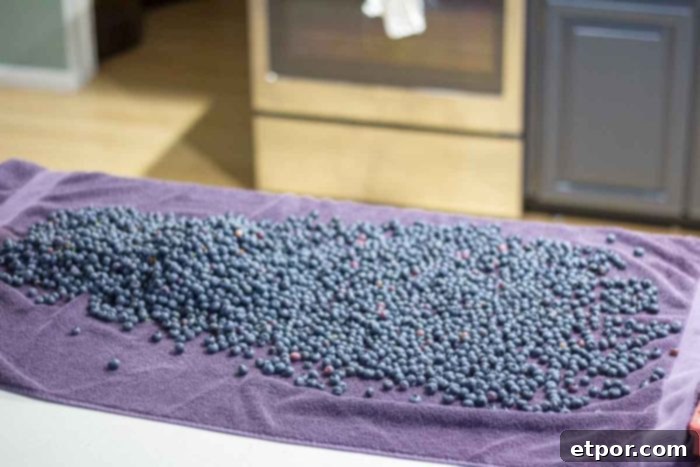
Begin by placing your fresh blueberries in a colander. Rinse them gently but thoroughly under cool running water, allowing any dirt or debris to wash away. After rinsing, give the colander a good shake to remove excess water. Then, spread the blueberries in a single layer onto clean kitchen towels or several layers of paper towels. Allow them to air dry completely at room temperature. This drying step is critical: ensure there is absolutely no visible moisture on the berries. Any remaining water will form ice crystals and cause the berries to clump together and potentially become mushy.
Step Two: Transfer to a Storage Container
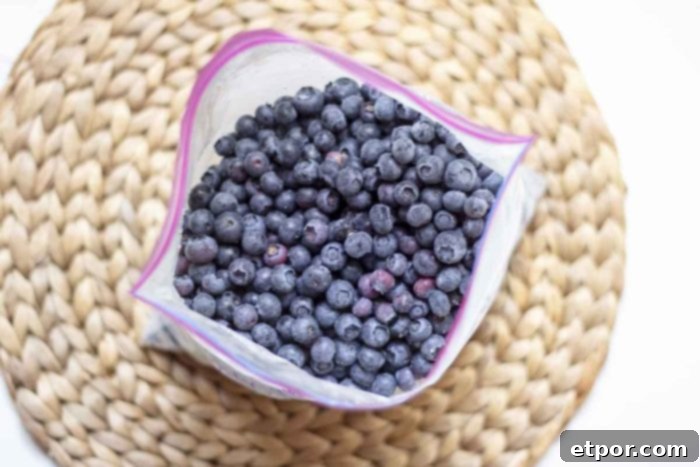
Once your blueberries are impeccably dry, gently transfer them into your chosen freezer-safe storage container or plastic freezer bag. If using bags, try to remove as much air as possible before sealing to prevent freezer burn. Label the container with the date. At this point, you can place them directly into the freezer.
Optional Flash Freezing Step: Some people prefer an extra step to guarantee non-clumping berries. After drying, spread the blueberries in a single layer on a rimmed baking sheet lined with parchment paper or wax paper. Place the baking sheet in the freezer for 1-2 hours, or until the blueberries are individually frozen solid. Once frozen, quickly transfer them to freezer bags or containers. While this “flash freezing” method is effective, I’ve found that as long as the berries are completely dry before being placed into their final storage container, this additional step is often unnecessary for preventing clumping.
Step Three: Store for Long-Term Freshness
With proper storage, your frozen blueberries will maintain their peak quality for 10-12 months in the freezer. Beyond this period, they are generally still safe to eat, but their quality (texture and flavor) may begin to diminish. Always store them in the coldest part of your freezer, ideally towards the back, where temperatures are most consistent.
It’s truly that simple, isn’t it? While there are other preservation methods like making jams or jellies, canning blueberries, or drying them, freezing offers the most straightforward way to enjoy the fresh taste of blueberries throughout the year without complex processes or specialized equipment. I’m personally a fan of this easy freezing method, especially when time is precious.
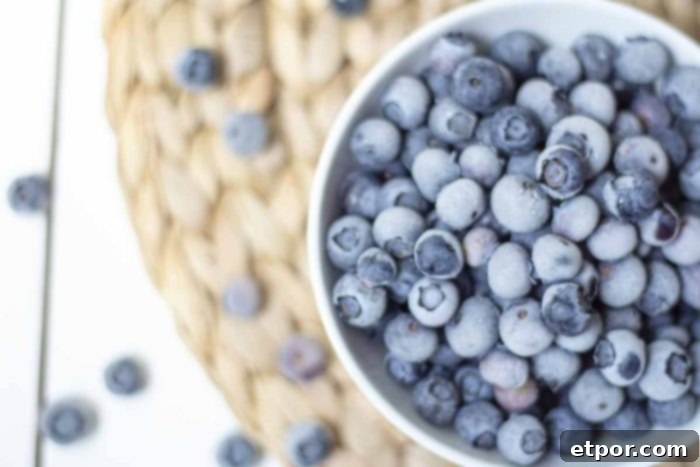
How to Freeze Blueberries – Without Washing
This method is even quicker and is perfectly safe for blueberries, especially if you source them from a trusted farm that doesn’t use pesticides. Blueberries naturally come with a protective waxy “bloom” (a powdery, whitish coating) that helps preserve them. Washing can sometimes remove this bloom, though the impact on freezing quality is minimal if dried thoroughly.
First, ensure your hands are clean by washing them thoroughly with soap and water.
Next, gently pick up handfuls of the ripe blueberries. As you transfer them into your freezer-safe containers (bags or rigid containers), take a moment to sort through them. Remove any visible debris such as leaves, small sticks, or green, unripe berries. Only freeze the plump, perfectly ripe blueberries.
Fill your chosen container, then remove as much air as possible, especially if using freezer bags. For bags, press out the air before sealing. For rigid containers, ensure they are filled to minimize air pockets. Seal the container tightly.
Place the sealed containers into your freezer or deep freezer. Laying freezer bags flat initially helps them freeze into a uniform shape, making them easier to stack and store efficiently once solid.
Frequently Asked Questions (FAQ)
Should You Wash Blueberries Before Freezing?
Interestingly, you don’t actually *have* to wash blueberries before freezing. Blueberries possess a natural protective coating, often called a “bloom” or epicuticular wax, which appears as a faint, powdery layer on their skin. This bloom acts as a natural defense against moisture loss, insects, and bacteria. Many people, myself included, feel comfortable not washing berries, especially when they come from a trusted local grower who doesn’t use pesticides. If you’re picking your own or are confident in the source, skipping the wash can save time and maintain the natural bloom. However, if you prefer extra cleanliness, or are unsure about the berry’s origin, feel free to wash them, but always ensure they are completely dry before freezing to prevent ice crystals and clumping.
How Long Do Blueberries Last in the Freezer?
For optimal quality – meaning the best texture, flavor, and nutritional retention – frozen blueberries will typically last for 10 to 12 months in a properly functioning freezer maintained at 0°F (-18°C) or colder. While they may remain safe to consume beyond this period, their quality might gradually decline, leading to a slight change in texture or taste. Always ensure they are stored in airtight, freezer-safe containers to prevent freezer burn, which can compromise quality much faster.
How to Freeze Blueberries Without Them Getting Mushy?
The key to freezing blueberries without them turning mushy is preventing ice crystal formation and clumping. The most critical step is to ensure the blueberries are completely dry before freezing them. Any moisture on the surface will form ice, which damages the cell walls as it expands, resulting in a mushy texture when thawed. While some tutorials suggest flash freezing them on a baking sheet before transferring to bags, I’ve found this extra step to be largely unnecessary as long as the berries are thoroughly dry. Simply place the perfectly dry berries directly into freezer bags or containers, removing as much air as possible, and lay the bags flat in the freezer. This method helps them freeze quickly and individually.
Effective Ways to Store Blueberries in the Freezer
My preferred method for storing frozen blueberries is in freezer-safe plastic zip-lock bags, laid flat. This approach offers several advantages: it allows me to stack multiple bags efficiently, maximizing the use of limited freezer space. Laying them flat also helps the berries freeze more quickly and individually. If you’re aiming to reduce your use of plastic, large mason jars or other airtight glass containers are excellent alternatives. Just ensure that if you’re using glass, you leave some headspace at the top, as the berries will expand slightly when frozen, preventing the glass from cracking. Vacuum sealing is another fantastic option for ultimate freshness and freezer burn prevention, though it requires a vacuum sealer appliance.
Do You Need to Add Sugar to Blueberries Before Freezing?
No, adding sugar to blueberries before freezing is completely unnecessary for preservation. Blueberries are naturally sweet and their flavor is perfectly maintained through freezing without any added sweeteners. Some people believe sugar helps prevent them from sticking together or forming a solid clump, but this is a misconception. The primary factor in preventing clumping is ensuring your berries are completely dry before they go into the freezer. As long as they are dry, they will remain free-flowing and easy to use straight from the bag, without the need for any added sugar.
Creative Ways to Use Your Frozen Blueberries
Frozen blueberries are incredibly versatile and can be used in a myriad of delicious ways, often without even needing to thaw them:
- Eat Them as a Snack: This is a favorite in our household! My daughter absolutely loves them as a refreshing, naturally sweet snack before bedtime. Their slightly icy texture is wonderfully satisfying.
- Top Your Yogurt: A handful of frozen blueberries stirred into plain Greek yogurt is seriously delicious. As they slightly thaw, they release their juices, creating a naturally sweetened, flavorful treat.
- Boost Your Smoothies: Frozen blueberries are a smoothie essential! They add natural sweetness, vibrant color, and a lovely thick texture without the need for ice. Try my blueberry green smoothie for a nutritious start to your day.
- Enhance Breakfast Cereals and Oatmeal: Sprinkle frozen blueberries over your morning cereal or stir them into warm oatmeal. They’re also perfect for adding to overnight oats, where they gently thaw and infuse the mixture with flavor.
- Bake into Rolls: Use them to make delectable Blueberry Sourdough Rolls, a perfect blend of tangy and sweet.
- Whip Up Blueberry Muffins: A classic use! Frozen blueberries bake beautifully into muffins, lending bursts of juicy flavor. This is my favorite sourdough blueberry muffin recipe.
- Make Pancakes or Dutch Baby: Fold them into your favorite blueberry pancake batter. Or, for a quicker, no-flip option, create a delightful Blueberry Dutch baby pancake or sourdough sheet pan pancakes.
- Create Homemade Ice Cream: Incorporate them into homemade ice cream for a burst of fruity flavor and a beautiful purple hue.
- Prepare Desserts: They are perfect for blueberry cobblers, crumbles, or even a simple blueberry sauce to drizzle over cheesecakes or ice cream.
- Bake a Galette: Transform them into a rustic and charming blueberry galette, essentially a free-form pie that’s much simpler to make.
Tried this recipe and loved it? I would love if you would come back and give it 5 stars. Please and thank you!

Blueberry Freezing Recipe Card
Print
Pin
Rate
SaveSaved!
Save This Recipe
We’ll get it sent to your inbox! Plus, get new recipes from us every week.
Ingredients
- 5 lbs fresh blueberries or more, depending on your needs
Instructions
-
Thoroughly wash your hands with soap and water before handling the blueberries.
-
Carefully take handfuls of the ripe, fresh blueberries. As you do, visually inspect and gently sort through them, placing only the best berries into your chosen freezer-safe containers. Ensure you remove any leaves, small stems, unripe (green) berries, or any other debris you might find.
-
Fill your storage container. If using freezer bags, try to press out as much excess air as possible before sealing to prevent freezer burn. If using rigid containers, fill them to the top to minimize air pockets. Seal the container tightly.
-
Place the sealed containers into your freezer or deep freezer. For freezer bags, laying them flat until they are solid helps them freeze evenly and makes for more efficient stacking and storage.
Notes
- For best quality, store frozen blueberries up to 10-12 months in the freezer.
- Crucially, ensure your blueberries are completely dry before freezing. Any moisture will cause them to stick together and may result in a mushy texture upon thawing.
- If a blueberry farm isn’t accessible, consider purchasing fresh blueberries from the store during summer sales, when prices are typically lowest for bulk buying.
- Buying in large quantities directly from farms can often provide significant cost savings.
- Store blueberries flat in plastic zip-lock freezer bags to save space and enable easy portioning.
- Washing before freezing is optional due to the berries’ natural protective bloom. If you choose to wash them for hygiene reasons, refer to the “How to Freeze Blueberries – With Washing” section in the article for detailed instructions on drying.
- A gallon-sized freezer bag typically holds approximately 4 pounds of blueberries, making it a convenient unit for storage.
With your freezer now brimming with a bounty of beautiful blueberries, you’re all set for months of delicious possibilities. It’s truly satisfying to know you can reach into your freezer for a taste of summer any time. Now, what’s next on the list for preserving? Perhaps fresh, juicy peaches, or the sweet grapes from our new house’s thriving vine! I’m eagerly anticipating putting away a significant harvest of those delectable grapes this year, too, continuing our journey of seasonal preservation.