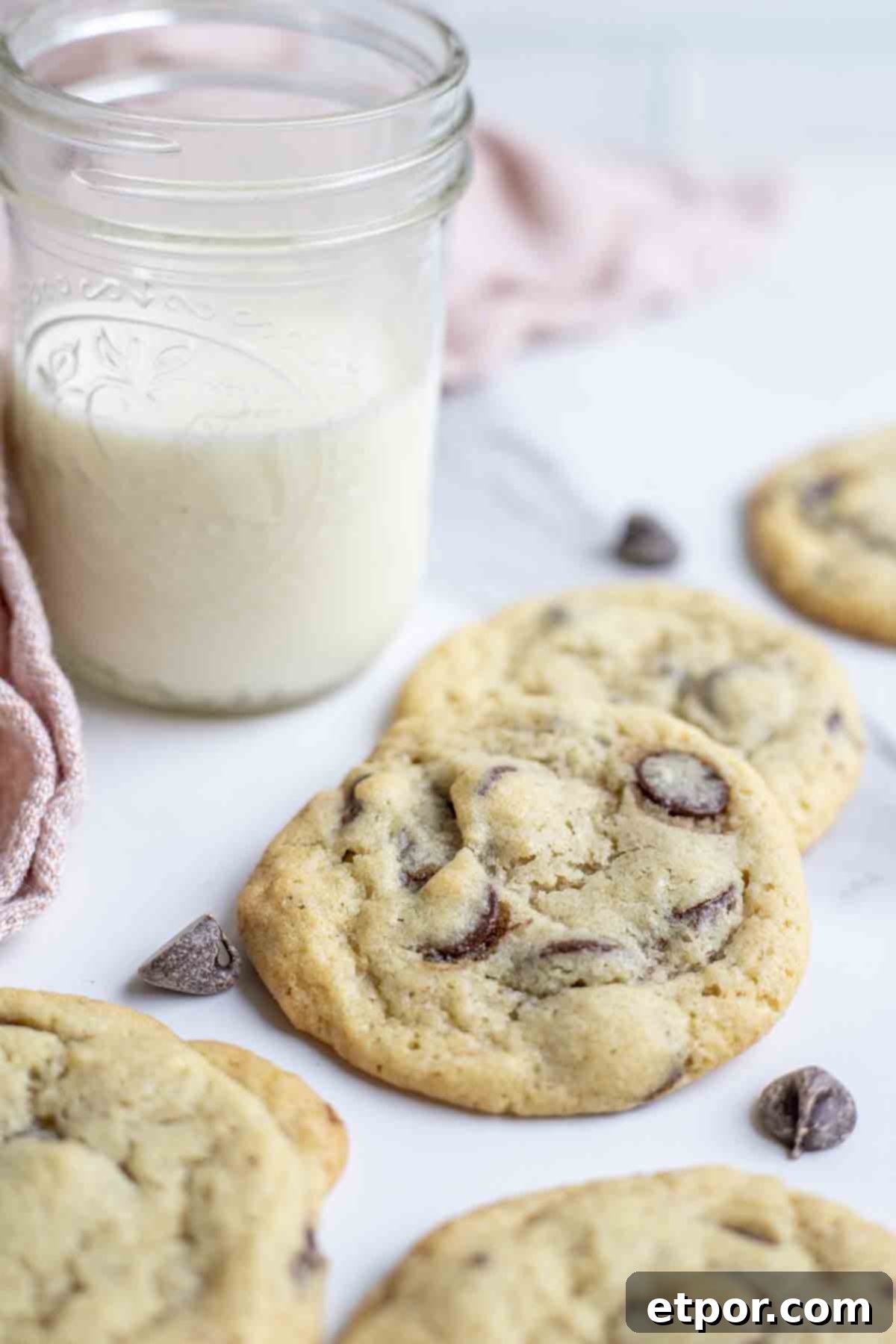
Irresistible Sourdough Discard Chocolate Chip Cookies: Chewy, Tangy & Easy to Digest
Discover the magic of sourdough discard in these utterly irresistible chocolate chip cookies. They are soft, gloriously buttery, and boast a subtle tang that perfectly balances the sweetness of abundant chocolate chips, all wrapped in a wonderfully chewy texture. More than just a treat, these delightful cookies offer versatility: bake them quickly for an instant indulgence, or long-ferment the dough for enhanced digestibility and a deeper, more nuanced flavor. Get ready to elevate your cookie game and impress everyone with these unique and satisfying sourdough chocolate chip cookies!
Table of Contents
Toggle
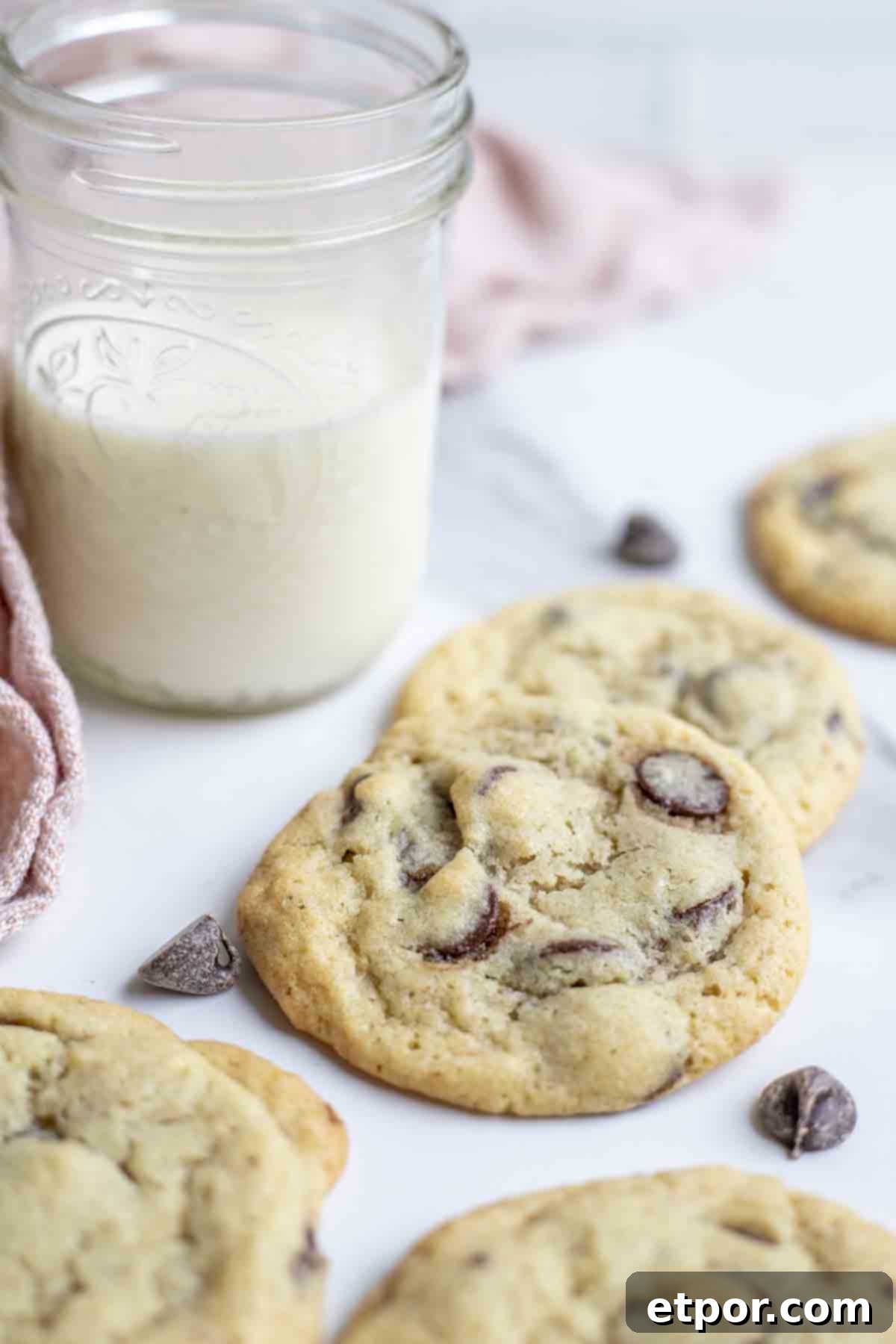
If you’re a devoted fan of classic chocolate chip cookies and have embraced the wonderful world of sourdough, then prepare yourself for an extraordinary culinary experience! This chewy sourdough chocolate chip cookie recipe is a harmonious blend of the best of both baking realms. By incorporating sourdough discard, we not only prevent waste but also infuse these cookies with an unparalleled depth of flavor and an incredibly satisfying texture. You might also love these sourdough breakfast cookies for a wholesome start to your day.
The natural, subtle tang from the sourdough discard acts as a secret ingredient, elevating the flavor profile of these cookies beyond a simple sweet treat. It introduces a complex, gourmet note that makes them truly irresistible. You’ll find it genuinely challenging to stop at just one!
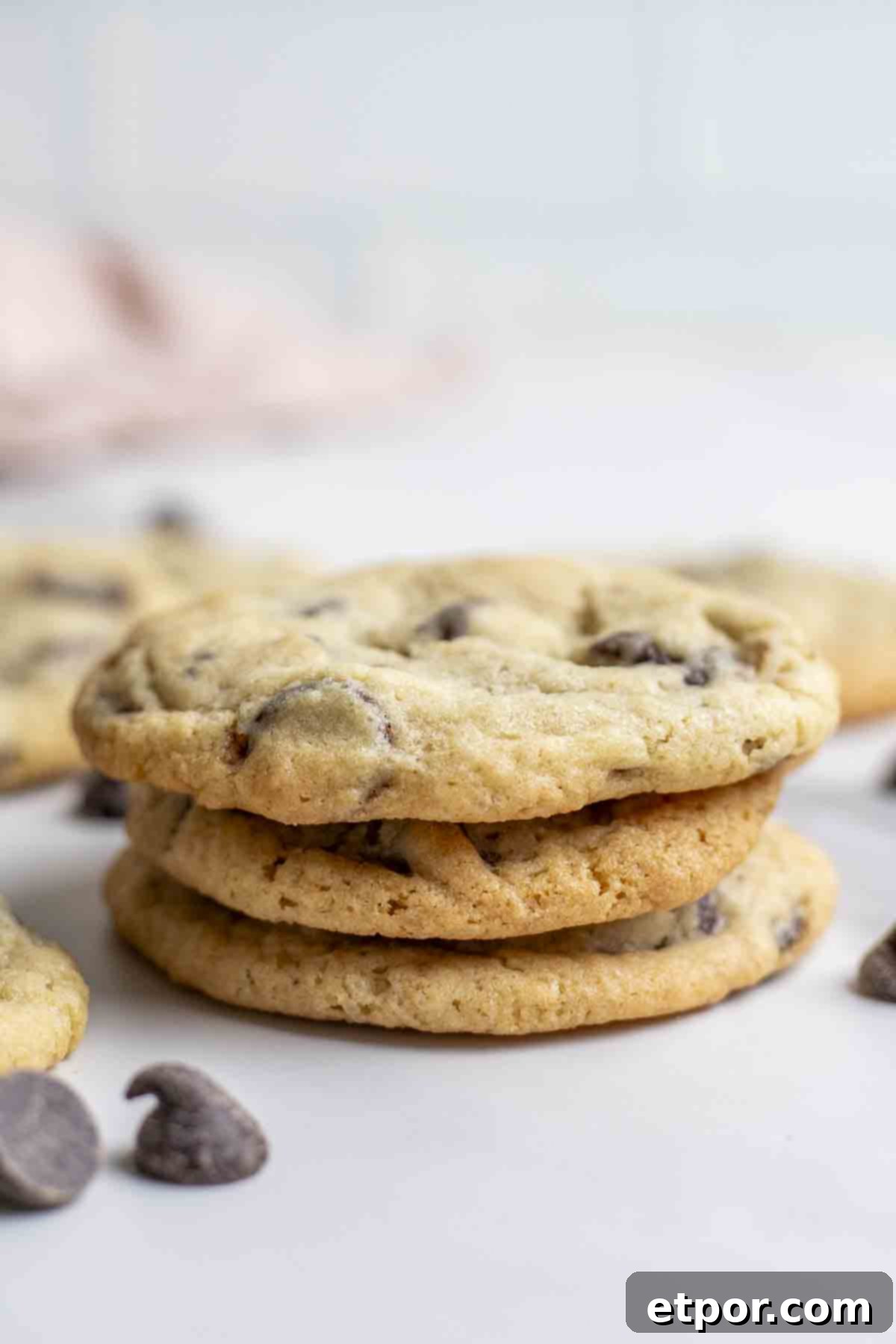
Imagine cookies with perfectly crispy, golden-brown edges, giving way to a soft and delightfully chewy center, generously studded with gooey, melted chocolate chips. These sourdough discard chocolate chip cookies are destined to become your family’s new favorite, a staple in your baking repertoire. For more gooey sourdough deliciousness that will tempt your taste buds, you should also try our recipe for sourdough cinnamon rolls.
Beyond their incredible taste, these cookies are incredibly easy to make, making them accessible even for novice bakers. An added bonus is that the dough can be prepared days in advance and stored in the fridge, which not only offers convenience but also contributes to better digestibility through cold fermentation. And, of course, the ultimate reason to make them: they are just so darn yummy.
Whether you prefer to savor them warm, fresh out of the oven with melting chocolate, or allow them to cool to room temperature for a firmer chew, these sourdough chocolate chip cookies are guaranteed to be a crowd-pleaser and disappear fast!
This post has been updated with a new and improved recipe to bring you the best possible sourdough chocolate chip cookie experience.
Why You Will Love This Recipe
There are countless reasons why these sourdough chocolate chip cookies will become a cherished recipe in your kitchen. From their amazing flavor to their health benefits and sheer convenience, they truly stand out:
Delicious Beyond Belief: These aren’t just any chocolate chip cookies; they are a delightful symphony of flavors. Perfectly sweet and wonderfully chewy, the rich chocolatey goodness is beautifully complemented by the subtle, characteristic tang of the sourdough starter. This unique combination creates an addicting taste that is sophisticated yet comforting, making them utterly unforgettable.
Easier to Digest: For many, traditional baked goods can cause digestive discomfort. The beauty of these cookies lies in the option to long-ferment the dough. This natural fermentation process begins to break down complex carbohydrates and gluten in the flour, making the cookies significantly easier for your body to digest. Furthermore, it helps unlock more bioavailable nutrients from the grains, transforming a simple dessert into a more wholesome treat.
Perfect for Make-Ahead Baking: Planning a party, a special occasion, or simply want to have freshly baked cookies on demand? This recipe is incredibly flexible. You can prepare the cookie dough days in advance and store it securely in an airtight container in the refrigerator. When a craving strikes or guests arrive, simply scoop and bake! For even more convenience, form the dough into balls, place them on parchment paper, and freeze them. Once solid, transfer these frozen dough balls into a freezer-safe container or bag. This way, you can bake a single cookie or a whole batch anytime, anywhere, reducing prep time significantly.
Fantastic Way to Utilize Sourdough Discard: If you maintain a sourdough starter, you know the routine of discarding a portion before feeding. This recipe offers a brilliant and delicious solution to put that excess starter to good use! Instead of tossing it, transform it into these delectable cookies. It’s an excellent way to be resourceful and sustainable in your baking. Paired with other great recipes like sourdough banana bread or sourdough crackers, you’ll find yourself never throwing away sourdough discard again, always having a purpose for it in your culinary adventures!
Why Sourdough?
The sourdough revolution is sweeping kitchens worldwide, and for good reason! It’s not just a trend; it’s a return to traditional baking methods that offer remarkable health benefits, particularly concerning digestion and nutrient absorption. I absolutely love how many people are discovering the wonders of sourdough.
For many individuals, conventional wheat-based products can be notoriously difficult to digest. This is often due to the presence of complex proteins like gluten and anti-nutrients such as phytic acid. When you incorporate sourdough into your baking, a miraculous transformation occurs during the fermentation process. The wild yeasts and beneficial bacteria in the sourdough starter actively break down a significant amount of the gluten present in the flour (as supported by research like this: 2). This breakdown makes the gluten matrix less formidable for your digestive system. Furthermore, sourdough contains both pre-biotics (which feed beneficial gut bacteria) and probiotics (the beneficial bacteria themselves).
These combined effects contribute to making wheat far easier to digest and more tolerable for a broad range of people, including those who experience sensitivity to gluten (3). Many individuals who typically suffer from bloating or discomfort after eating wheat find that long-fermented sourdough products cause no such issues.
In addition to gluten modification, wheat naturally contains phytic acid. This “anti-nutrient” binds to essential minerals like iron, zinc, and calcium, decreasing the body’s ability to absorb them. The prolonged fermentation process inherent in sourdough baking effectively breaks down this phytic acid. This crucial step significantly increases the bioavailability of the nutrients naturally present in wheat flour, meaning your body can absorb and utilize them more efficiently.
It’s important to note that those with diagnosed Celiac disease should always avoid gluten. However, individuals who are sensitive to gluten but not celiac may often find that they can tolerate long-fermented sourdough products without adverse effects. My own daughter is a perfect example of someone who experiences sensitivity but thrives on sourdough. If you’ve previously found yourself reaching for the antacids after enjoying wheat, you might discover that long-fermented sourdough offers a path to enjoying your favorite baked goods without the dreaded bellyache.
For this specific recipe, since the cookie dough contains eggs and cannot safely be left at room temperature for an extended period, the fermentation process is conducted in the refrigerator. Refrigeration slows down the activity of the yeast and bacteria, allowing for a longer, gentler fermentation that still delivers all the digestive benefits without compromising food safety.
Note on Long Fermentation
The concept of long fermentation is central to unlocking the full potential of sourdough, not just in terms of flavor but also digestibility. My husband, for instance, is quite sensitive to gluten (though not celiac), and he typically struggles with most conventional wheat products. However, he can comfortably enjoy long-fermented sourdough creations, such as these delicious sourdough apple muffins or our flaky sourdough scones.
Given his positive experience with other fermented goods, I found myself wondering, “Could I apply the same long-fermentation principles to sourdough chocolate chip cookies to enhance their digestibility?” The answer, I’m thrilled to report, is a resounding yes! And not only are they more digestible, but the flavor development is also truly exceptional.
To achieve that perfect balance of yummy sweetness and a delightful, subtle sourness—characteristic of well-fermented sourdough—these cookies truly benefit from a substantial fermentation period. After extensive testing, I found that they need to ferment for a full 72 hours in the refrigerator. Yes, that’s seventy-two hours, and it’s absolutely worth the wait.
My testing involved baking batches at 24, 48, and 72 hours. While the cookies at 24 and 48 hours were still good, they simply didn’t possess the profound depth of flavor or the distinct tangy notes that developed by the 72-hour mark. This extended period allows the sourdough starter to work its magic more thoroughly, breaking down the flour and creating a more complex flavor profile. Crucially, the 72-hour fermentation also proved to be the most digestible for those with sensitivities.
We actually discovered the importance of the full 72 hours the hard way. During one of our test batches, my husband tried cookies fermented for only 48 hours, and unfortunately, he experienced some mild discomfort. However, with the dough fermented for the full 72 hours, he was perfectly fine, enjoying the cookies without any digestive issues. It might seem odd, but the difference was clear.
Therefore, I wholeheartedly recommend opting for the long fermentation, especially if you or someone you’re baking for has gluten digestion issues. It’s a small investment of time that yields significant benefits in both taste and comfort.
Ingredients

Crafting the perfect sourdough chocolate chip cookie requires a balance of quality ingredients. Here’s a closer look at what you’ll need and why each component is vital:
Brown Sugar and Cane Sugar: This dynamic duo is crucial for achieving the ideal cookie texture. Brown sugar adds moisture, depth of flavor (with its molasses content), and contributes to that desirable chewiness. White cane sugar ensures the cookies spread just right and provides the necessary crispness around the edges, creating a truly yummy and balanced cookie.
Unsalted Butter: Butter is the foundation of rich, flavorful cookies. It should be at room temperature, which means it’s soft enough to indent with a finger but not melted. This allows it to cream properly with the sugars, incorporating air for a lighter, tender crumb. If you need to soften butter quickly, a clever trick is to pour hot water into a medium-sized glass or ceramic cup (ensure it’s large enough to cover your stick of butter). Let the hot water warm the glass for a few minutes, then pour out the water and invert the warm glass over the stick of butter. Wait just a few minutes, and your butter should be perfectly softened and ready to use.
Vanilla Extract: A staple in almost all cookie recipes, vanilla extract enhances all the other flavors. It adds a warm, aromatic note that is essential for that classic chocolate chip cookie taste. For the best flavor, consider using homemade vanilla extract, or a high-quality store-bought version.
Sourdough Starter: This is the star of our recipe! You can use either an active, bubbly sourdough starter or a well-fed sourdough discard. While both will work, many bakers prefer using discard for recipes like this because it’s a great way to utilize the portion you’d otherwise discard before feeding your starter. The sourdough provides its signature tang and contributes to the unique texture. Learn how to make a sourdough starter if you’re new to the process.
Salt: Don’t underestimate the power of salt in baking! It’s not just for seasoning; salt plays a critical role in balancing and enhancing all the flavors, making the cookies taste sweeter and more complex. It truly brings out the best in the chocolate and the sourdough tang.
Leaveners (Baking Powder and Baking Soda): These chemical leavening agents work in conjunction with the sourdough starter (especially if using discard, which may not have as much rising power) to give the cookies their perfect rise and a tender crumb. Baking soda reacts with acidic ingredients (like the sourdough) to create lift, while baking powder provides additional aeration.
Chocolate Chips: What’s a chocolate chip cookie without chocolate? The choice of chocolate can significantly impact your cookie experience. I personally love using mini chocolate chips because they distribute more evenly throughout the dough, ensuring every bite has plenty of chocolate. Alternatively, chocolate chunks can create delightful pockets of melted chocolate. Feel free to use your favorite type: semi-sweet, dark, or even a mix!
A detailed list of all ingredients, including precise measurements, can be found in the comprehensive recipe card below.
Tools You May Need
Having the right tools can make the baking process much smoother and more enjoyable. Here’s what you’ll likely need:
- Stand mixer or hand mixer: Essential for creaming butter and sugar, and mixing the dough efficiently.
- Cookie scoop: Helps create uniform cookie dough balls for even baking and a professional appearance.
- Stainless steel baking sheet: Durable and conducts heat evenly for consistent baking.
- Parchment paper: Prevents sticking and makes cleanup a breeze.
- Wire rack: For cooling your freshly baked cookies and preventing them from becoming soggy.
How to Make Sourdough Chocolate Chip Cookies
Creating these delightful sourdough chocolate chip cookies is a straightforward process. Follow these simple steps for a batch of soft, chewy, and tangy perfection:
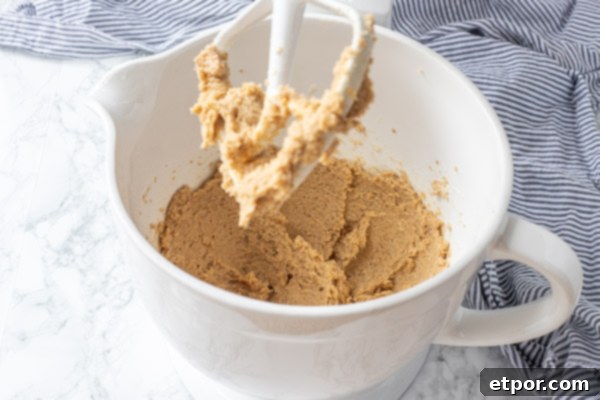
Step 1: Cream the Wet Ingredients. Begin by preheating your oven to 375°F (190°C). In the bowl of a stand mixer fitted with the paddle attachment (or using a hand mixer), combine the softened unsalted butter with both brown sugar and white sugar. Beat these ingredients on medium speed until the mixture becomes light, pale in color, and fluffy. This creaming process is essential for incorporating air and creating a tender cookie.
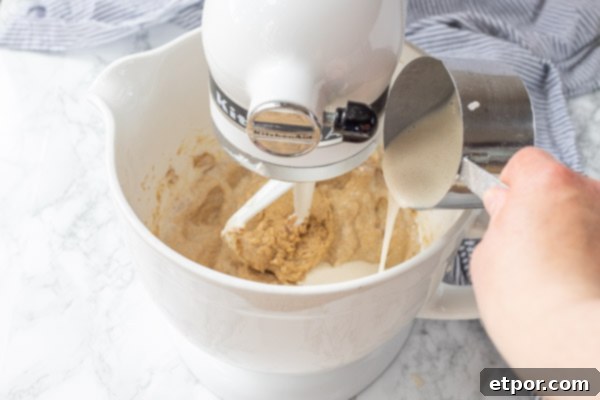
Step 2: Incorporate Liquid Ingredients. To the creamed butter and sugar, add the large egg, vanilla extract, and your sourdough starter (whether active or discard). Mix these ingredients until they are thoroughly combined. Be sure to stop the mixer occasionally and scrape down the sides of the bowl with a spatula to ensure all ingredients are fully incorporated.
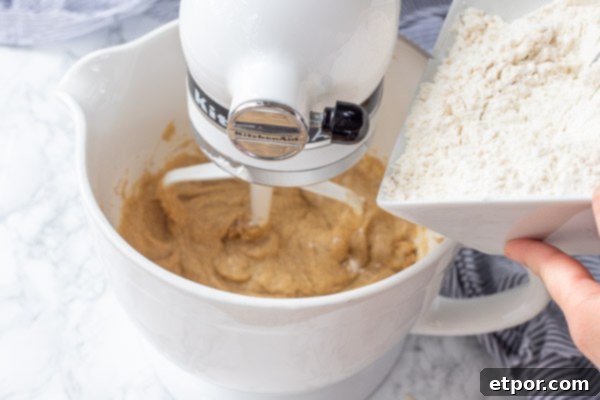
Step 3: Combine Dry Ingredients. In a separate, medium-sized bowl, whisk together all your dry ingredients: the all-purpose flour, baking soda, baking powder, and salt. Ensure they are well mixed to evenly distribute the leavening agents and flavorings. With your stand mixer on low speed, gradually add the dry ingredients to the wet mixture, about one-third at a time. Mix until just combined and a soft dough forms. It’s crucial not to over-mix the dough once the flour is added, as overworking the gluten can result in tough, rather than tender, cookies.
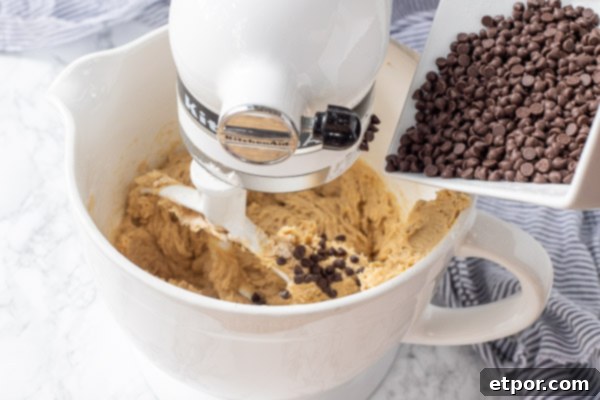
Step 4: Add Chocolate Chips. Once the dough has just come together, fold in your favorite chocolate chips (mini chips or chunks work wonderfully here). Mix only until the chocolate chips are evenly distributed throughout the dough. Again, avoid overmixing.

Step 5: Prepare for Baking. Line your baking sheets with parchment paper for easy cleanup and to prevent sticking. Using a cookie scoop helps create uniformly sized cookie dough balls, which ensures they bake evenly. Spoon the dough onto the prepared baking sheet, leaving ample space between each cookie for spreading.

Step 6: Bake and Cool. Bake the cookies in your preheated 375°F (190°C) oven for approximately 10-12 minutes, or until the edges begin to turn a beautiful golden brown, and the centers still look slightly soft. For that coveted flat, chewy cookie texture, I like to gently tap the hot baking sheet onto the stove or counter immediately after removing it from the oven. This causes the cookies to deflate slightly. Allow them to cool on the baking sheet for a few minutes before transferring them to a wire rack to cool completely. Enjoy your freshly baked sourdough chocolate chip cookies!
Long-Fermented Chewy Sourdough Chocolate Chip Cookies
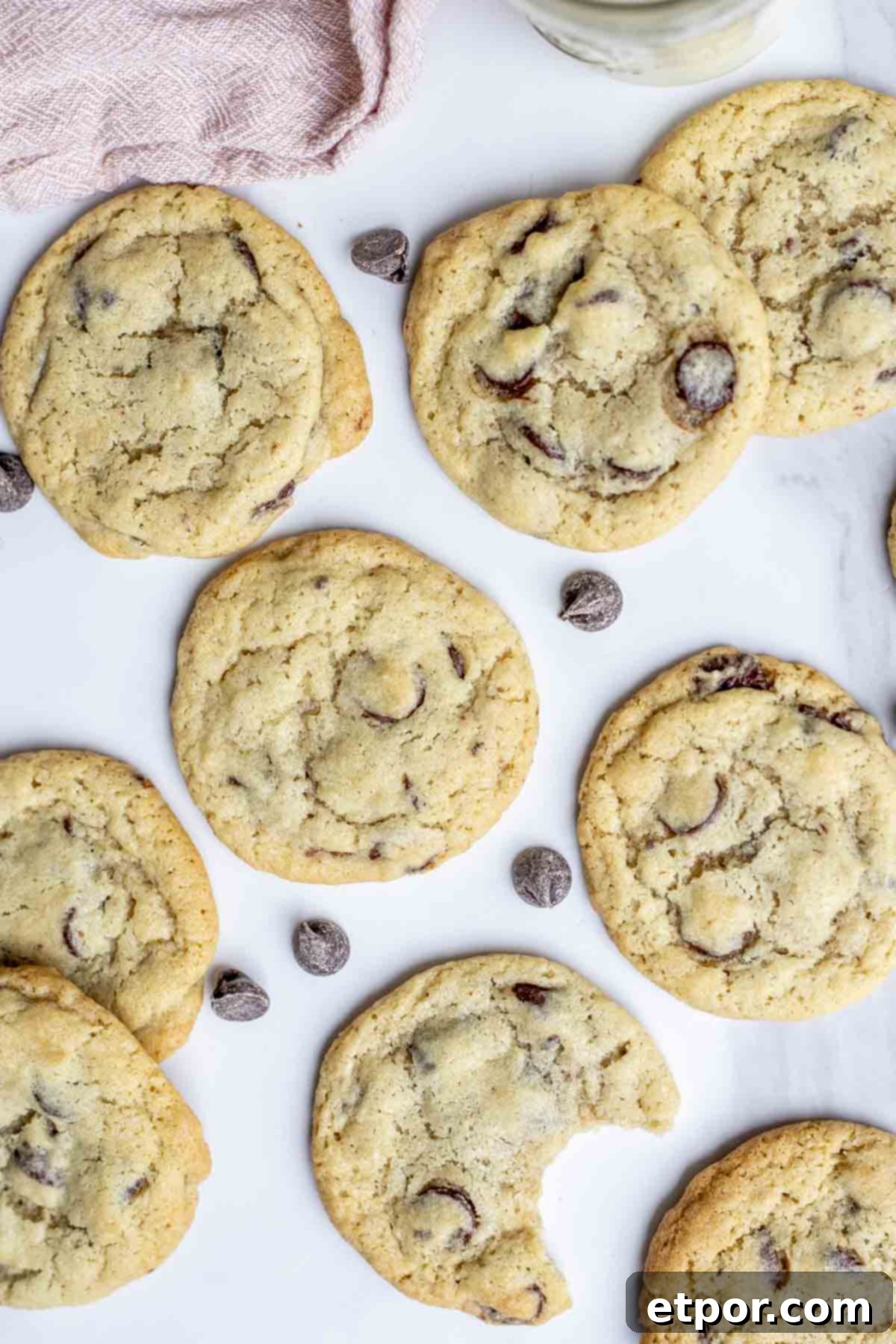
For those seeking enhanced digestibility and a richer, more complex flavor profile, the long-fermentation method is highly recommended. This process deepens the characteristic sourdough tang and works wonders on the flour for a gentler impact on your digestive system.
To begin, follow the instructions above to create your sourdough chocolate chip cookie dough. Once the dough is ready, transfer it into a large bowl equipped with a tight-fitting lid. This ensures the dough remains protected and moist during its fermentation period. Place the covered bowl in your refrigerator for up to 72 hours. While you can certainly ferment it for a shorter duration if you’re pressed for time, my experiments have consistently shown that the 72-hour mark yields the absolute perfect amount of tanginess and provides the best digestibility benefits. This extended cold ferment allows the wild yeasts and bacteria in your sourdough starter ample time to break down starches and gluten, resulting in superior flavor and a more gut-friendly cookie.
When you’re ready to bake, remove the dough from the refrigerator and preheat your oven to 375°F (190°C). There’s no need to bring the dough to room temperature; it can be baked straight from the fridge.
Using a cookie scoop or a spoon, portion your cold, fermented dough onto a baking sheet that has been lined with parchment paper. Ensure there is enough space between each cookie to allow for proper spreading during baking.
Bake the cookies at 375°F (190°C) for approximately 10-12 minutes. Keep a close eye on them; they are done when their edges have turned a beautiful golden brown and the centers still appear slightly soft. This indicates a perfectly chewy interior.
Once removed from the oven, gently tap the hot baking sheet against your counter a few times. This simple step helps the cookies flatten slightly, contributing to their signature chewy texture. Finally, transfer the warm cookies to a wire rack to cool completely. Now, prepare to indulge in the wonderfully complex flavors of your long-fermented sourdough chocolate chip cookies!
How to Store Sourdough Cookies
Proper storage is key to maintaining the freshness and deliciousness of your sourdough chocolate chip cookies, whether baked or as dough. Here’s how to keep them at their best:
For Baked Sourdough Cookies:
Once your cookies have cooled completely to room temperature, place them in an airtight container. They will stay wonderfully fresh and chewy at room temperature for up to a week. To enjoy them with that “just baked” warmth later, you can gently reheat them in a low oven for a few minutes (around 250°F / 120°C).
For longer-term storage, freezing is an excellent option. To freeze baked cookies, wrap each cookie individually in plastic wrap, then place them in a freezer-safe bag or container. Alternatively, you can freeze them in a single layer on a cookie sheet until solid, then transfer them to a freezer bag to prevent them from sticking together. Baked cookies can be frozen for up to 3 months. To enjoy, simply let them thaw at room temperature for a few hours, or warm them directly from frozen in a preheated oven.
For Sourdough Cookie Dough:
If you’ve made the dough ahead of time or have leftovers, store it in an airtight container in the refrigerator for up to 3 days. This duration allows for some beneficial cold fermentation, enhancing flavor and digestibility.
For even longer storage or convenient future baking, freeze the cookie dough. You can store the entire batch of dough in a freezer-safe container, or for ultimate convenience, scoop the dough into individual balls and freeze them on a parchment-lined baking sheet. Once solid, transfer the frozen dough balls to a freezer-safe bag. Frozen dough can be stored for up to 2-3 months.
To bake from frozen dough, you have a couple of options: thaw the dough in the fridge overnight before baking as usual, or bake the frozen dough balls directly from the freezer. If baking from frozen, you may need to add a few extra minutes to the baking time, so keep an eye on them until they’re golden brown and baked through.
Tips for Making this Recipe
Achieving bakery-quality sourdough chocolate chip cookies is simple with a few key tips:
- Embrace the Fermentation: While you can certainly bake these cookies immediately after mixing the dough, for the absolute best flavor development and significantly enhanced digestibility, I highly recommend placing the dough in a covered bowl and fermenting it in the refrigerator for a full 72 hours. This extended cold ferment allows the sourdough starter to truly work its magic, transforming the flour and deepening the tangy notes.
- Chocolate Chip Choice Matters: The type and size of chocolate chips can greatly influence your cookie experience. I personally find that using mini chocolate chips results in a more satisfying cookie because they distribute more evenly throughout the dough, ensuring a generous burst of chocolate in every single bite. However, feel free to experiment with chocolate chunks for larger pockets of melted chocolate, or even a blend of different chocolate types (dark, milk, semi-sweet) to customize the sweetness.
- Parchment Paper for Easy Cleanup: Save yourself the scrubbing! Always line your baking pans with parchment paper. This not only prevents the cookies from sticking to the sheet but also makes for incredibly easy cleanup. Plus, it helps ensure even baking and promotes a beautiful golden-brown underside.
- Starting Your Sourdough Journey: If you’re new to the wonderful world of sourdough, don’t be intimidated! You can find my super quick and dirty method to cultivate a vibrant sourdough starter in just 2 days, perfect for getting started without a long wait. Alternatively, if you prefer a more in-depth, traditional approach, my friend Lisa has an excellent guide on how to make a sourdough starter from scratch over on her blog.
- Active Starter vs. Discard: This recipe is incredibly versatile! You can successfully use either an active, bubbly sourdough starter (freshly fed and vigorous) or turn these into fantastic sourdough discard cookies by utilizing your extra sourdough discard. Both will lend their characteristic tang and contribute to the cookie’s unique texture, making this a perfect recipe for managing your starter.
- Don’t Over-Mix: Once you add the dry ingredients to the wet, mix only until just combined. Over-mixing develops gluten too much, which can lead to tough, rather than tender, cookies. A few streaks of flour are fine; they’ll disappear during baking.
- Room Temperature Ingredients: Ensure your butter and egg are at room temperature. This allows them to emulsify properly with the other ingredients, creating a smooth, consistent dough and better cookie texture.
- Oven Temperature Accuracy: An accurate oven temperature is vital for perfect cookies. If your cookies are spreading too much or not baking evenly, consider checking your oven’s calibration with an oven thermometer.
Frequently Asked Questions (FAQ)
Several factors can contribute to flat sourdough cookies. Most commonly, it’s either because your leavening agents (baking soda and baking powder) are old and no longer active, or your oven temperature is too hot. An overly hot oven can cause the cookies to spread rapidly before they have a chance to set. Other reasons could include butter that was too soft or melted, overmixing the dough, or not chilling the dough (especially if not long-fermenting). Ensure your leaveners are fresh, your butter is at room temperature but not greasy, and consider chilling the dough for at least 30 minutes if you’re not doing a long ferment.
The benefits of sourdough cookies primarily come into play if they are long-fermented. The fermentation process, driven by the sourdough starter’s beneficial bacteria and yeasts, breaks down complex carbohydrates and proteins in the flour. This action makes the cookies significantly easier to digest for many people, potentially reducing issues like bloating. They will also have a lower gluten content (though not gluten-free). Additionally, fermentation helps to break down phytic acid, an anti-nutrient found in flour, which in turn increases the bioavailability of essential nutrients, meaning your body can absorb them more easily. Beyond health benefits, sourdough also imparts a unique, complex tangy flavor that elevates the cookie experience.
If you’re just embarking on your sourdough journey and have a new starter, you can often start baking with the “discard” right away, typically after the first few days of feeding. While a young starter might not have enough strength to provide the sole leavening for a loaf of bread (which requires a very active starter), its discard is perfect for recipes that also use commercial leavening agents like baking soda and baking powder. These are often referred to as “sourdough discard recipes.” So, rather than tossing out your discard during the initial days or weeks of establishing your starter, use it in delicious recipes such as cookies, cakes, sourdough scones, sourdough muffins, pancakes, and more. This is a fantastic way to both prevent waste and enjoy the unique flavor of sourdough even with a young starter!
While this recipe calls for all-purpose flour, you can experiment with other flours. For instance, a portion of whole wheat flour (up to 50%) can be substituted for a nuttier flavor and increased fiber, though it might result in a slightly denser cookie. Always remember that different flours absorb liquid differently, so you might need to slightly adjust the amount of flour or liquid to achieve the correct dough consistency. When making substitutions, it’s best to start small and adjust as needed.
Your sourdough starter discard is perfect for these cookies as long as it smells pleasantly sour and not overwhelmingly acidic or yeasty in an unpleasant way. It doesn’t need to be bubbly and active like it would for bread baking. The beauty of discard recipes is that they are very forgiving regarding the starter’s activity level. If your discard has been sitting in the fridge for a while, it might be quite liquidy, but that’s perfectly fine for this recipe.
Find More Sourdough Discard Recipes
Loving the versatility of sourdough discard? Explore these other fantastic recipes that make the most of your starter, ensuring nothing goes to waste and every meal is infused with that wonderful tangy flavor:
- Easy Sourdough Bread For Beginners: Your first step into traditional sourdough bread baking.
- Sourdough Blueberry Muffins: Fluffy, tangy muffins bursting with juicy blueberries.
- The Easiest Sourdough Crackers: A savory snack that’s incredibly simple to make.
- Sourdough Pumpkin Pancakes: A comforting breakfast with a seasonal twist.
- Sourdough Banana Bread: Another great way to use discard for a moist and flavorful loaf.

Sourdough Chocolate Chip Cookies
Print
Pin
Rate
SaveSaved!
Save This Recipe
We’ll get it sent to your inbox! Plus, get new recipes from us every week.
Equipment
-
Stand mixer
-
Cookie sheet
-
Parchment paper
-
Cookie scoop
-
Wire rack
Ingredients
- 1 cup unsalted butter softened to room temperature
- 1 cup white granulated sugar
- ¾ cup packed brown sugar
- ½ cup sourdough starter discard or active starter will work
- 2 teaspoons vanilla extract
- 1 large egg at room temperature
- 2 ¾ cup all-purpose flour
- 1 teaspoon baking soda
- ½ teaspoon baking powder
- 1 teaspoon fine sea salt
- 2 cups chocolate chips (approx. 12 oz bag, mini chips or chunks recommended)
Instructions
-
Preheat your oven to 375°F (190°C). In the bowl of a stand mixer with the paddle attachment, cream together the softened unsalted butter, white sugar, and brown sugar on medium speed until the mixture is light, fluffy, and pale in color.
-
Add in the egg, vanilla extract, and sourdough starter. Mix until all ingredients are well combined, making sure to scrape down the sides of the bowl occasionally to ensure even mixing.
-
In a separate medium bowl, whisk together the dry ingredients: all-purpose flour, baking soda, baking powder, and salt.
-
With the mixer on low speed, gradually add the dry ingredients to the wet mixture, about 1/3 at a time, mixing until just combined and a soft dough forms. Be careful not to over-mix, as this can lead to tough cookies.
-
Stir in the chocolate chips until they are evenly distributed throughout the cookie dough.
-
Using a cookie scoop, spoon uniform balls of dough onto a baking sheet lined with parchment paper, leaving sufficient space between each cookie.
-
Bake at 375°F (190°C) for approximately 10-12 minutes, or until the edges are golden brown and the centers are still slightly soft. Once out of the oven, gently tap the hot baking sheet onto the counter to help flatten the cookies slightly for that perfect chewy texture. Transfer the cookies to a wire rack to cool completely.
To Long Ferment:
-
Follow the steps above to create the cookie dough. Once the dough is mixed, place it in a large, airtight bowl with a lid and refrigerate for up to 72 hours. While shorter fermentation times can work, 72 hours is recommended for the best tangy flavor and improved digestibility.
-
When ready to bake, preheat your oven to 375°F (190°C).
-
Scoop the cold, fermented dough onto a parchment-lined baking sheet and bake for about 10-12 minutes, or until the edges are golden brown.
-
Lightly tap the hot baking sheet on the counter to flatten the cookies slightly. Move them to a wire rack to cool completely. Enjoy your wonderfully chewy and tangy long-fermented sourdough chocolate chip cookies!
Notes
- Baking Time Flexibility: You have the option to bake these cookies immediately after mixing the dough for a quick treat, or for optimal flavor and digestibility benefits, place the dough in a covered bowl and ferment it in the refrigerator for a full 72 hours before baking. This extended cold ferment dramatically enhances the cookie’s unique tang and texture.
- Optimal Chocolate Distribution: For a chocolatey bite in every single cookie, I highly recommend using mini chocolate chips. Their smaller size ensures they are more evenly distributed throughout the dough compared to larger chips or chunks. However, feel free to use your preferred type of chocolate!
- Effortless Cleanup: To make your baking experience as smooth as possible and simplify post-baking cleanup, always cover your baking pans with parchment paper. This prevents sticking and ensures your cookies lift off easily.
- Sourdough Starter Versatility: This recipe is incredibly forgiving and works beautifully with either an active, bubbly sourdough starter or your reserved sourdough discard. Using discard is an excellent way to prevent food waste and incorporate that distinctive sourdough flavor into your baking.
- Room Temperature Ingredients are Key: Ensure your butter is properly softened and your egg is at room temperature before mixing. This allows for better emulsification and results in a smoother dough and a more consistent, tender cookie texture.
- Don’t Overmix: Once you add the dry ingredients to the wet, mix only until just combined. Overmixing can develop the gluten in the flour too much, leading to tougher cookies. A few visible streaks of flour are acceptable, as they will disappear during baking.
- Adjust Sweetness if Desired: If you prefer a less sweet cookie, you can slightly reduce the amount of white sugar (e.g., to ¾ cup), but be aware this might slightly alter the texture.