Thriving Garden, Happy Baby: Essential Tips for Gardening with Little Ones
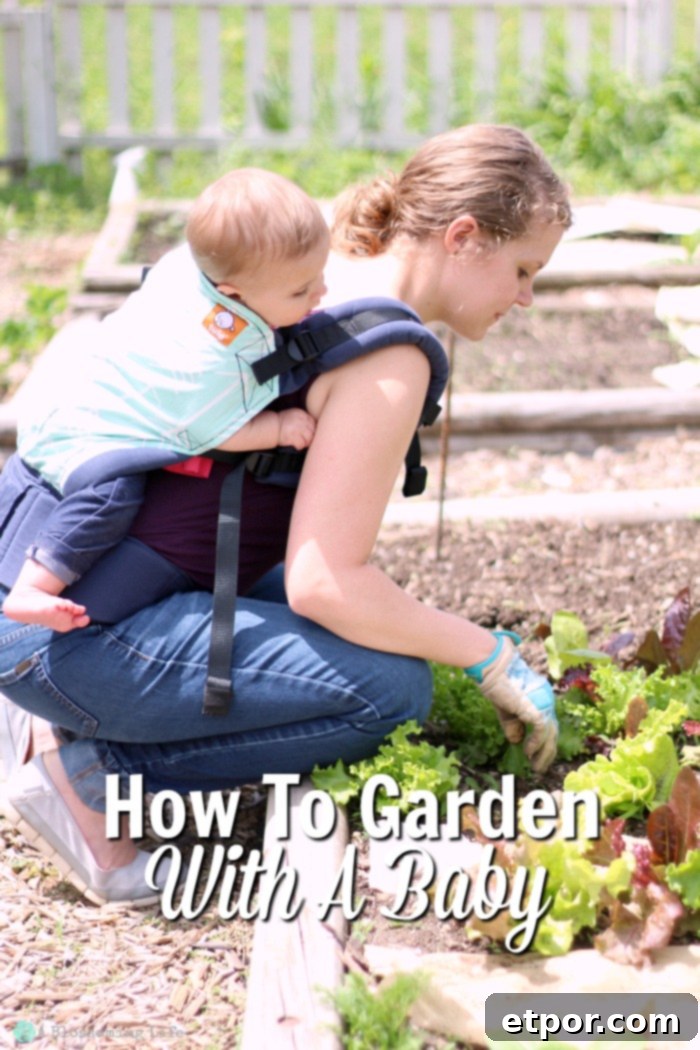
The journey into new parenthood is a remarkable adventure, filled with unparalleled joy, but also a steep learning curve and a fair share of adjustments. As I recently embraced the incredible role of a stay-at-home mom – a dream I’d always cherished – I found myself not only navigating the beautiful chaos of caring for a newborn but also confronting the exciting, yet somewhat daunting, prospect of turning our family’s vision for a productive garden into a reality. My husband, ever practical, would playfully remind me, “Well, you better start gardening more so we have food to put on the table,” or, gesturing towards our sizable garden plot, “This summer, this will be your project.” His words, while humorous, underscored a genuine aspiration for us to grow more of our own food.
However, the reality of gardening with a baby in tow can be quite different from pre-baby horticultural dreams. Last year, for example, my garden was, to put it mildly, a bit of a struggle. Our precious baby arrived at the very end of June, bringing with her a whirlwind of breastfeeding issues that left me feeling completely overwhelmed and largely confined to the couch. (If you’re curious, you can read my incredibly eventful birth story here). Understandably, the garden quickly fell by the wayside. We managed to salvage a bit of lettuce, some peas, a few carrots, and maybe a handful of tomatoes and peppers. The grand finale was a surprise watermelon, discovered far too late in the season to be edible. It was a clear sign that my old gardening habits simply wouldn’t cut it with a newborn. The sheer exhaustion and constant demands of a little one made sustained garden work feel impossible.
But this year, things are markedly different. My determination to achieve a good yield from the garden, providing fresh, healthy produce for my family, is stronger than ever. I’ve realized that with a bit of strategic planning, a dose of flexibility, and a few clever techniques, it’s absolutely possible to enjoy the therapeutic benefits of cultivating a garden while still giving your little one the attention and care they need. I’m excited to share with you some easy, practical ways to approach gardening with a baby, designed to help new parents like you achieve a bountiful harvest without succumbing to the overwhelming feeling of being a “hot mess.” Let’s dig in and discover how you can create a thriving garden, even with a little one by your side.
5 Essential Tips for Gardening with a Baby
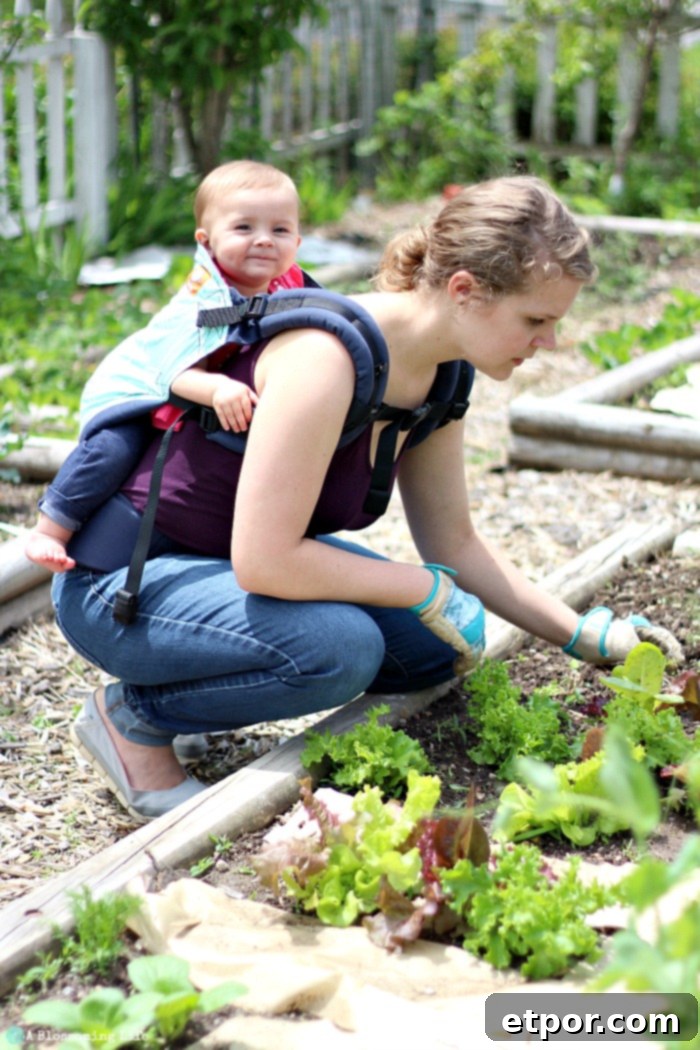
1. Embrace Babywearing: Your Ultimate Hands-Free Gardening Solution
One of the most effective and heartwarming ways to integrate your baby into your gardening routine is through babywearing. This practice isn’t just about convenience; it’s a wonderful bonding experience that allows you to keep your little one close and content while freeing up your hands for essential garden tasks. My baby girl absolutely loves our Tula carrier. I simply put her in it, secure her snugly, and head out to the garden. She gets to explore all the fascinating sights, sounds, and even the earthy smells of the garden – from buzzing bees and chirping birds to rustling leaves and vibrant blossoms – all from the safety and comfort of being with me. Meanwhile, I can comfortably weed, plant, or harvest with both hands. It’s truly a win-win scenario for both of us, making gardening with a baby not just possible, but enjoyable.
Beyond structured carriers like the Tula, there are many other excellent babywearing options that can suit different preferences and stages. A ring sling (like this one or this one), for example, offers quick ups and downs, making it perfect for short bursts of gardening and often more breathable in warmer weather. Woven wraps (like this one) provide incredibly versatile and customizable support, ideal for longer gardening sessions or when you need to distribute weight evenly. For younger babies, an inexpensive, soft wrap like a Moby (like this one) is perfect for keeping newborns snug and secure. Regardless of the carrier you choose, always ensure it is ergonomic for both you and your baby, promoting healthy hip and spine development.
When babywearing in the garden, a few safety considerations are paramount: always ensure your baby’s airway remains clear and unobstructed, regularly check for proper positioning to prevent slumping, dress your baby appropriately for the weather, and protect them from the sun with a wide-brimmed hat, light clothing, and by staying in shaded areas whenever possible. Remember to stay hydrated yourself, and don’t hesitate to take breaks when needed. Babywearing transforms gardening from a potentially isolating chore into a shared, enriching experience, fostering an early love for nature and the outdoors in your little one.
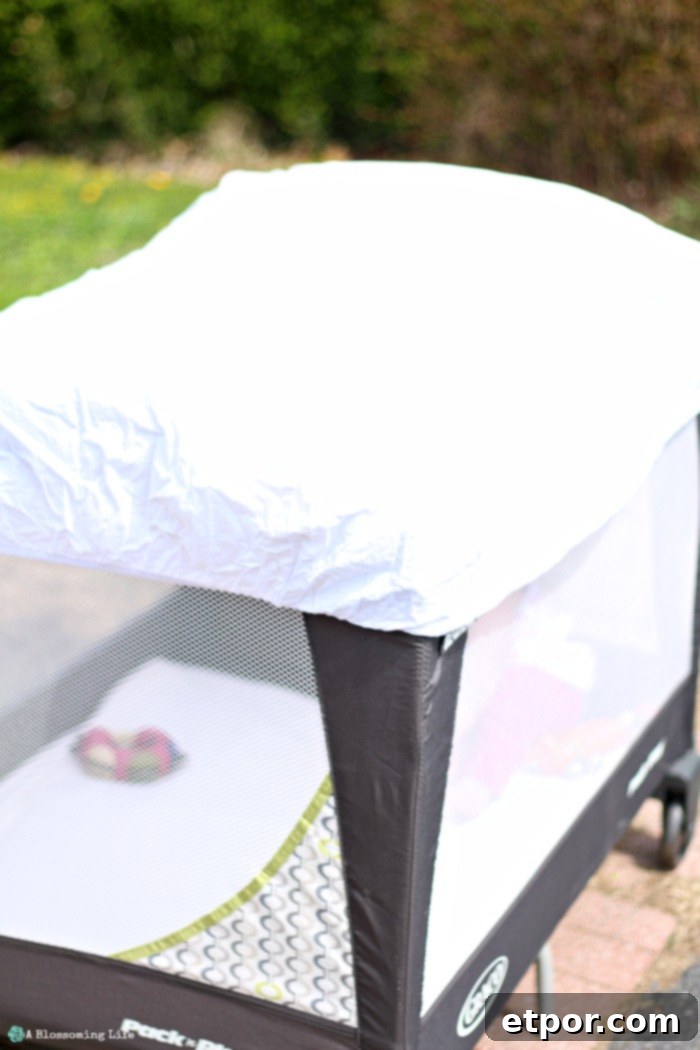
2. Create a Safe & Engaging Zone: The Portable Pack-n-Play
This method has quickly become one of my absolute favorite and most ingenious strategies for effective gardening with a baby. A portable Pack-n-Play (like this one) or a similar portable playpen can truly be a game-changer for those gardening sessions that require a bit more freedom of movement or focus. My routine is simple yet incredibly effective: I set up the Pack-n-Play in a well-shaded spot near my gardening area, ensuring it’s far enough away from any sharp tools, fertilizers, or other potential hazards. I then place my baby inside with a selection of her favorite, age-appropriate toys – soft blocks, crinkly books, or sensory balls work wonderfully to keep her engaged. The real secret weapon here is covering the top of the Pack-n-Play with a fitted crib sheet. This ingenious trick provides excellent protection from direct sunlight, bothersome insects, and any stray dirt or debris that might fly around while I’m working. She remains perfectly content playing in her secure little zone while I can concentrate on the garden.
The beauty of the Pack-n-Play strategy is that it offers a contained, safe, and stimulating environment for your baby, allowing you to immerse yourself in gardening tasks with much-needed peace of mind. Your little one can still observe you working, play independently, and enjoy the fresh air without you constantly worrying about them crawling into mischief, touching something unsafe, or ingesting dirt. It’s crucial to position the Pack-n-Play where you can maintain clear sight and easy interaction with your baby, ensuring they remain happy, comfortable, and feeling connected. Remember to provide a variety of interesting toys to hold their attention, and make sure to check on them frequently for hydration, diaper changes, and overall comfort. This method is particularly useful for tasks that demand more concentration, physical effort, or bending, offering a secure “home base” for your baby while you cultivate your green space.
3. Enlist Your Support System: Partner, Family, and Friends Can Make a Difference
Let’s be realistic: some gardening tasks require focused, uninterrupted time, whether it’s setting up new beds, weeding a large section, or even just tackling a quick but precise planting job. This is precisely where leveraging your support system becomes absolutely invaluable. My husband is an incredibly helpful guy, and we’ve established a routine that works for us. Sundays are often designated as my “garden and blog” days, during which he happily takes our daughter, August, for a few hours. This allows me precious, dedicated time to work on the garden without constant interruptions or the need to juggle baby care and spades. Of course, she’ll still come looking for me when she’s hungry, but those stretches of focused, solo time are wonderfully conducive to productivity and significantly boost my mental well-being.
Don’t hesitate to reach out and ask for help from your partner, family members, or close friends. There are many ways to make this work: you could schedule a specific “garden hour” with your spouse each week, ask grandparents or trusted friends to watch the baby for an afternoon, or even organize a babysitting swap with a fellow mom friend who also needs some uninterrupted time for her own hobbies or chores. Clear communication about your needs and what you hope to accomplish during that time is key. Use these valuable windows wisely for tasks that demand more physical effort, keen attention to detail, or simply a quieter environment. Remember, gardening is a form of self-care and a deeply rewarding hobby for many, and it’s perfectly acceptable, and even necessary, to seek and accept support to pursue this alongside your demanding parenting duties. A strong support system is one of the best tools for any new parent.
4. Supervised Garden Exploration: Let Them Get Their Hands Dirty (Carefully!)
This tip might be my “least favorite” in terms of immediate cleanliness, as I’m not particularly fond of repeatedly extracting mouthfuls of dirt from my baby’s mouth, nor do I always enjoy a super dirty baby right before naptime! However, if you’re open to a little mess and commit to direct, vigilant supervision, allowing your baby to “help” or explore in the garden can be an incredibly rich and beneficial sensory experience for them. My friend, for instance, frequently takes her little one out into the garden, gently places them on a blanket or in a designated safe spot directly on the ground, and lets them explore the textures and elements. She was even kind enough to bathe August after one such adventurous garden visit while she was watching her for me, proving it can be done successfully!
This approach offers unique developmental benefits. Babies and toddlers learn immensely by exploring with all their senses, and the garden provides an abundance of stimulating experiences: varied textures (soil, leaves, petals, bark), diverse smells (fresh earth, herbs, flowers), and interesting sounds (rustling leaves, chirping birds, buzzing insects). It fosters an invaluable connection with nature from an early age and can even encourage an adventurous palate later on as they begin to understand where food comes from. If you choose this route for gardening with a baby, focus on creating a truly baby-safe zone: ensure there are absolutely no toxic plants within reach, remove all sharp tools or small choking hazards, and always maintain constant, vigilant supervision. Dressing both of you in old, easily washable clothes is a must, and have a clear plan for cleaning up afterward, whether it’s a quick rinse with the hose or a full, bubbly bath. It’s all about balancing your comfort level with the amazing opportunity for sensory discovery and early education in the natural world.
5. Complement Your Efforts: Leverage CSAs and Local Farmers Markets
While I am incredibly passionate about the idea of growing my own food and the satisfaction it brings, I also fully recognize a crucial truth: you can’t always grow absolutely everything your family needs, and some seasons are simply too challenging to achieve a full, diverse harvest, especially with a baby demanding your attention. This is precisely where Community Supported Agriculture (CSA) programs and shopping at your local farmers market become invaluable, strategic resources for gardening with a baby. I’m half-joking when I say this, but also completely serious: if all else fails, or if you simply need a break from the intense demands of home gardening, there is absolutely no shame in utilizing these fantastic options. They are a wonderful extension of your efforts.
Joining a CSA means you typically buy a “share” from a local farm at the beginning of the growing season and, in return, receive a weekly or bi-weekly box filled with fresh, seasonal produce directly from that farm. It’s an excellent way to ethically support local agriculture, guarantee yourself incredibly fresh food, and often discover new vegetables or varieties you might not have tried otherwise. Farmers markets offer similar, compelling benefits, allowing you the flexibility to pick and choose your produce, interact directly with the farmers who grew your food, and enjoy a vibrant, often family-friendly community atmosphere. These options provide consistent access to amazing, often organic, produce without all the intensive labor of growing it yourself. They can significantly reduce the pressure to be entirely self-sufficient in your garden and free up valuable time for other parenting duties or simply more quality time with your baby. Think of CSAs and farmers markets as powerful allies, complementing your homegrown efforts and ensuring your family always has access to nutritious, delicious food, regardless of your personal garden’s output that season. It’s about finding balance and leveraging all available resources for a healthy lifestyle.
Beyond the Tips: Planning and Flexibility – Your Best Garden Tools
In addition to these five core tips, remember that effective planning and cultivating a flexible mindset are perhaps your most valuable gardening tools as a new parent. Consider optimizing your garden space with raised beds or container gardening to minimize bending and make tasks more accessible and efficient. Prioritize planting easy-to-grow, low-maintenance varieties like lettuce, radishes, peas, bush beans, herbs, and cherry tomatoes, which offer quick rewards and build confidence. Learn to break down your gardening tasks into short, manageable bursts – even 15-20 minutes here and there can accomplish more than you might imagine. And most importantly, practice self-compassion. Some days, your garden will flourish beautifully; other days, it will simply have to wait. The ultimate goal isn’t horticultural perfection, but rather the joy of growing, the learning experience, and the opportunity to share this wonderful connection to nature with your developing family. Embrace the journey, the occasional weeds, and the precious moments you spend outdoors with your little one.
Gardening with a baby can truly be an incredibly rewarding and enriching experience, connecting you to nature, providing nourishing, fresh food for your family, and creating beautiful, lasting memories. It undoubtedly requires creativity, patience, and a willingness to adapt your methods, but the numerous benefits for both you and your child are profoundly worth the effort. What strategies have you discovered that have been helpful for gardening with a baby? I would absolutely love to hear your insights, experiences, and tips in the comments below! Let’s cultivate a community of thriving parent-gardeners together.
You may also like…
How to Organize Baby Clothes
How We Accidentally Became “Crunchy”
This post contains affiliate links. Affiliate links help support A Blossoming Life at no extra cost to you.