Sustainable Real Food Budget & Meal Plan: Mastering Week 2 (Gluten-Free & Dairy-Free)
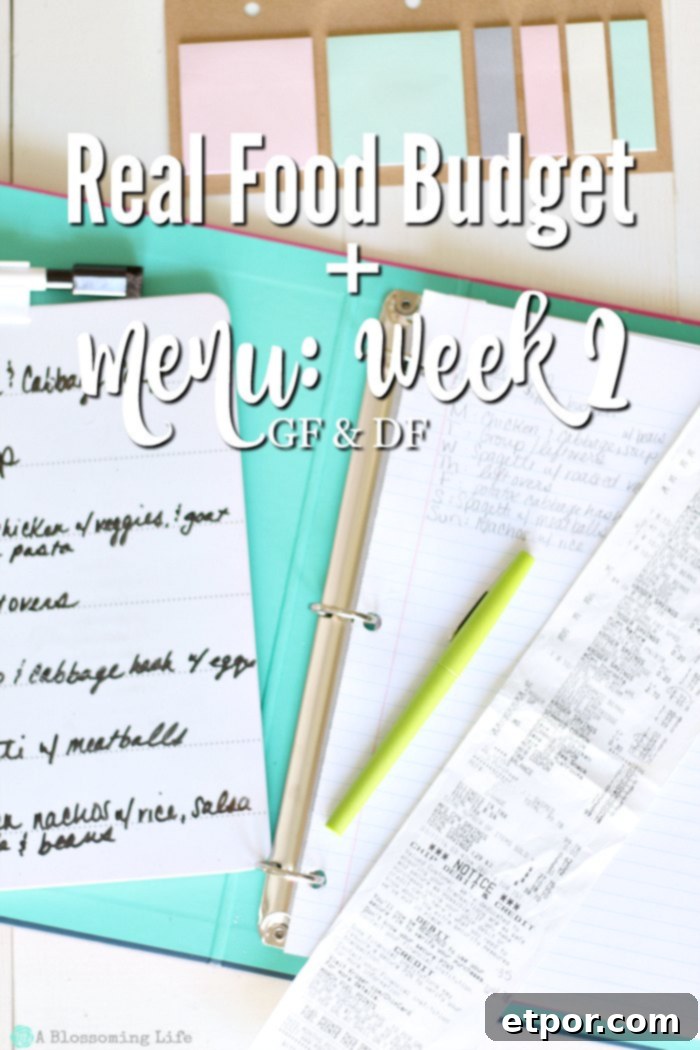
Table of Contents
Navigating the Budget Overshoot
This week presented a bit of a challenge as we found ourselves exceeding our real food budget. While it’s always disappointing to go over, a closer look at our purchases offers some perspective. We strategically bought several items that are slated for use in next week’s recipes, including a pound of ground beef, a pound of salmon burgers, and gluten-free bread. These items alone account for over $15 of our spending, which helps to alleviate some of the initial budget anxiety and demonstrates a forward-thinking approach to our weekly meal planning.
My husband and I recently had a candid discussion about our spending habits, particularly regarding groceries. We identified a recurring issue: an inclination to purchase “extra” items that, while appealing, weren’t strictly necessary for our planned meals. A significant portion of these extras consisted of snacks and impulse buys. For instance, my husband picked up a gluten-free cookie mix, cereal, and salmon burgers – the latter of which I’m now tasked with creatively incorporating into next week’s menu (I confess, I’m not a huge fan of fish, though this almond-crusted salmon recipe is a delicious exception). And, I must admit my own guilt in acquiring some chocolate. These “extras” totaled around $16, highlighting a clear area for improvement and a need for stricter adherence to our shopping list.
Through this conversation, we’ve committed to a more disciplined approach: minimizing impulse purchases and extending grace to each other. It’s perfectly okay to indulge in a treat like cookie mix occasionally, but consistency in sticking to the core meal plan and grocery list is paramount for long-term budget success. This commitment will be vital as we continue our journey towards a more sustainable and affordable real food lifestyle.
Our Monthly Food Budget Goals
Our ongoing mission is to adhere to a strict monthly food budget. Initially, we aimed for $400, but we’ve adjusted this target to $500 for months with five weeks, like April. For standard four-week months, our goal remains a tighter $400. My personal objective was to keep weekly spending around $100, but I overlooked the five-week reality of some months. This new, more flexible approach allows us to average out costs more effectively over the entire month, preventing undue stress in longer calendar periods.
My husband harbors some skepticism about my ability to consistently meet these targets, but I’m determined to demonstrate that a real food diet can indeed be affordable and sustainable. It requires diligent planning, smart shopping, and a firm commitment to our budget principles, which we believe will ultimately lead to better health and financial well-being. Proving that wholesome, unprocessed food doesn’t have to break the bank is a significant motivator for me.
Strategic Meal Planning for Success
Effective meal planning is the cornerstone of our budget-friendly real food journey. It’s more than just jotting down recipes; it’s a strategic approach to grocery shopping and consumption that saves both time and money. You can dive deeper into my detailed meal planning methodology here. A quick note on my process: while I structure my meal plan week starting on Monday, I typically don’t do my main grocery shop until my designated day off on Friday. Therefore, I consider Friday as the first day of my menu week. This system allows me to plan based on fresh groceries purchased that week, ensuring ingredients are at their peak when used. Of course, the beauty of meal planning is its inherent flexibility – feel free to shuffle recipes to best suit your schedule, ingredient availability, and preferences.
Planning ahead not only helps control spending by preventing impulse buys and reducing trips to the store, but it also minimizes food waste by ensuring every ingredient has a purpose. It significantly reduces daily stress about what to cook, freeing up mental energy. By regularly reviewing pantry staples, seasonal produce availability, and upcoming events, we can create a menu that maximizes ingredients and ensures we’re eating well throughout the week. This proactive approach helps us avoid last-minute take-out temptations that can quickly derail a budget and lead to less healthy food choices. It’s about being intentional with every meal.
Week 2 Real Food Meal Plan: Gluten-Free & Dairy-Free Friendly
Our meal plan for Week 2 emphasizes nutrient-dense, flavorful dishes that are naturally gluten-free and can be easily adapted to be dairy-free. We prioritize whole ingredients, aiming for meals that are both satisfying and budget-conscious. This week’s menu balances homemade comfort food with efficient use of leftovers, demonstrating how a real food diet can be both practical and delicious.
Daily Meal Breakdown
Breakfast: Our breakfasts are typically simple and nutritious, usually featuring hearty oatmeal or toast made with our chosen gluten-free bread. These are consistently accompanied by fresh fruit, offering essential vitamins and fiber, and protein-rich eggs, providing sustained energy for the start of the day. This combination ensures a balanced and filling first meal.
Lunch: For me and our baby, lunch often consists of delicious and convenient leftovers from the previous night’s dinner. This strategy is excellent for reducing food waste and making the most of our cooking efforts. My husband, often on the go for work, usually opts for a classic peanut butter and jelly sandwich (or almond butter for a nut-free option if preferred), paired with crunchy carrots for a vegetable serving, a piece of fresh fruit, and a variety of other convenient, healthier snacks to keep him energized throughout his day.
Snacks: While I actively try to limit my own snacking to maintain energy levels and prevent mindless eating, my husband is undoubtedly the “snack king,” especially given his need for quick fuel during his travels. Our typical snack rotation includes wholesome options like trail mix, fresh fruit, gluten-free potato chips, or pretzels. We aim for choices that offer some nutritional value while being easy to consume quickly and conveniently.
Monday: Chicken & Mushroom Quinoa with Peas
This wholesome and satisfying dish is a fantastic way to kick off the week with a nutritious and balanced meal. Begin by preparing quinoa according to its package directions, resulting in a fluffy, protein-packed base. In a large skillet, heat a few tablespoons of olive oil and sauté a finely chopped onion until it becomes translucent and softened, releasing its sweet aroma. Add sliced mushrooms and continue to cook until they are tender and lightly browned, adding a rich, earthy depth of flavor. Finally, incorporate a generous portion of frozen peas and pre-cooked, diced chicken, heating everything through until warmed. Combine the cooked onion, mushrooms, chicken, and peas with the fluffy quinoa. Season generously with a good pinch of salt and your favorite complementary herbs – rosemary is particularly delightful in this recipe, enhancing the savory notes. A splash of homemade chicken broth can further enhance the flavor and moisture, making it even more delectable and ensuring a tender texture. This meal is naturally gluten-free and can easily be dairy-free by ensuring your chicken broth is free of dairy ingredients.
- On hand ingredients: Homemade chicken broth, onion, quinoa.
- Budget Tip: Utilizing pre-cooked or leftover chicken from a previous roast saves valuable time and makes this meal incredibly quick to assemble. Quinoa is a versatile, complete protein grain that is very filling and provides excellent nutritional value on a budget.
Tuesday: Simple Leftovers Night
Tuesday is thoughtfully designated as a convenient leftovers night, a brilliant strategy for reducing food waste and providing us with a much-needed break from active cooking. This approach is particularly helpful when we have evening commitments, such as our small group for church, where we usually bring a small side dish to share, making a full, elaborate dinner at home less necessary. Enjoying the previous night’s delicious chicken and mushroom quinoa means a quick, effortless, and inherently budget-friendly meal, requiring minimal preparation and cleaning. This practice is a cornerstone of our efficient meal planning.
- Budget Tip: Embracing leftovers is one of the easiest and most effective ways to save money, ensuring that every meal you prepare serves multiple purposes and maximizes your grocery investment. It significantly cuts down on food waste, which directly translates to savings.
Wednesday: Chicken, Spinach, & Goat Cheese Au Gratin
This is a delightful, improvised recipe that turned out beautifully, becoming a new family favorite. Start by preparing your vegetables: finely chop some potatoes, an onion, and a generous amount of fresh spinach. Layer these wholesome ingredients in a baking dish along with tender, diced chicken. Season the mixture generously with a medley of dried herbs – I used approximately 1 teaspoon each of oregano, basil, and parsley, along with a good pinch of salt, to build a rich flavor profile. Top the entire mixture with crumbled goat cheese, which provides a creamy texture and tangy flavor profile that is often better tolerated by those sensitive to cow’s milk dairy. Bake the dish in a preheated oven until the potatoes are fork-tender and the cheese is melted, bubbly, and lightly golden. If you have sensitivities to goat milk, simply omit the goat cheese, or if cow’s milk dairy is acceptable for your diet, feel free to use regular cheese instead. For a completely dairy-free, gluten-free, and nut-free alternative that still offers a savory, cheesy experience, you might consider trying a recipe like this garlic and chive cheese from Whole New Mom.
- Budget Tip: Au gratin dishes are excellent for using up odds and ends of vegetables and proteins that you might have on hand. While goat cheese can sometimes be pricier than conventional dairy, a little goes a long way for flavor and richness, making it a justifiable occasional expense.
Thursday: Leftovers Reimagined
Another strategic night for leftovers! This gives us a second opportunity to savor the delicious chicken, spinach, and goat cheese au gratin from Wednesday. Reheating this dish not only ensures maximum value from our ingredients but also minimizes cooking effort on a busy weeknight. Incorporating leftovers twice a week is a highly effective tactic in our meal plan for efficient budget management, reducing food waste, and providing convenient, ready-made meals when time is short. It truly demonstrates the power of batch cooking and thoughtful planning.
- Budget Tip: When planning your meals, aim to prepare portions large enough to yield at least two servings per person. This ensures convenient and cost-effective leftover lunches or dinners, effectively stretching your ingredients and reducing reliance on quick, expensive alternatives.
Friday: Mushroom & Spinach Goat Cheese Pizza
Friday night is traditionally pizza night in many households, and ours gets a gourmet, gluten-free, and dairy-free friendly twist. We start with a high-quality, store-bought gluten-free pizza crust, which significantly simplifies the preparation process. Spread a generous layer of your favorite marinara sauce evenly over the crust. Top it liberally with a medley of sautéed mushrooms and fresh spinach, ensuring a burst of flavor and nutrients in every bite. Finish by crumbling goat cheese over the top, which will melt beautifully and offer a creamy, tangy complement. Bake the pizza according to the crust directions until it’s golden brown, bubbly, and the cheese is perfectly melted. As with our au gratin, you can substitute goat cheese with regular cow’s milk cheese if preferred. For those avoiding all dairy, nutritional yeast can provide a savory, cheesy flavor profile, or you can utilize the homemade dairy-free cheese alternative recipe linked above from Whole New Mom, ensuring everyone can enjoy a slice of this delicious pizza.
- Budget Tip: Making pizza at home is almost always significantly cheaper and often healthier than ordering takeout or delivery. While gluten-free crusts can sometimes be pricier, look for sales or consider making your own from scratch if you have the time and inclination, as this can be a very cost-effective option.
Saturday: Social Dinner and Leftovers
This Saturday, we enjoyed a delightful dinner at a friend’s house, which is always a lovely social occasion and provides a natural, welcome break from cooking at home. These social engagements are wonderful for strengthening friendships and enjoying new culinary experiences. We kept things simple upon returning home, relying on any remaining leftovers from the week to round out our meal if needed. This demonstrates the incredible versatility and adaptability of our meal planning approach, ensuring we always have a wholesome option available, even after a night out, thereby avoiding expensive last-minute food purchases.
- Budget Tip: Social plans can significantly impact your budget if you frequently eat out. Embrace opportunities to eat with friends, but also have a solid backup plan of simple, pre-prepared leftovers or quick pantry meals for when you return home, preventing unnecessary spending.
Sunday: Hearty Minestrone Soup and Roast Chicken
Sunday is dedicated to a comforting and nourishing meal, designed to not only feed us well but also to prepare us for the week ahead. We’ll be making a delicious Minestrone Soup, a hearty Italian classic, with a slight modification: instead of canned diced tomatoes, I’ll be using pasta sauce for added richness, a deeper flavor profile, and convenience. To proactively prepare for the coming week, I’ll also slow roast a whole chicken in the crockpot. Not only does this provide tender, succulent chicken for Sunday dinner, but the carcass and bones will then be simmered to make a batch of nutrient-rich homemade chicken broth. This broth is a staple for future soups, sauces, and other recipes throughout the coming weeks, maximizing every part of the chicken and saving a significant amount of money on store-bought broth, which can be surprisingly expensive.
- On hand ingredients: Zucchini, pasta sauce, onions, homemade chicken broth, and carrots.
- Budget Tip: Roasting a whole chicken and then making broth from the bones is a highly economical and sustainable strategy. Soups are fantastic for stretching ingredients, utilizing leftover vegetables, and making large, budget-friendly batches that can be frozen or enjoyed throughout the week.
Total Expenditure: Week 2 – $115.04
Our weekly spend this time around was $115.04. While this pushed us slightly above our ideal $100 weekly target for a typical four-week month, as discussed, several strategic purchases were made for future meals, making it a more balanced spend in the long run. It’s a prime example of how some weeks might fluctuate based on larger, less frequent purchases. Let’s break down where our money went and what valuable insights we gathered from each shopping trip.
Our Grocery Haul: Details and Insights
Understanding where our budget goes is crucial for effective management. This week, we visited four different stores, each serving a specific purpose in our real food procurement strategy. By diversifying our shopping locations, we aim to leverage the best prices and quality for various categories of groceries.
Farmers Market: $19
The Farmers Market is our preferred destination for fresh, high-quality local produce and ethically sourced meats. While items here can sometimes be a bit pricier than conventional supermarkets, the superior value in terms of freshness, nutrient density, and supporting local agriculture is undeniable. This week, we focused on essential staples and proactive buys for upcoming meals:
- 1.5 dozen eggs: A staple for our breakfasts and an essential ingredient for occasional baking. We prioritize freshness, which the market consistently delivers.
- 1# grass-fed beef: Purchased specifically for a dinner recipe next week, ensuring we have quality, pasture-raised protein planned ahead, minimizing last-minute expensive trips.
- 1# salmon burgers: Another proactive purchase for next week’s menu. While these were one of the “extras” my husband picked up, they will certainly be utilized and planned into future meals.
Insight: The Farmers Market is excellent for core, high-quality ingredients, but it requires discipline to avoid overspending on tempting artisanal products. Sticking rigorously to a pre-defined shopping list is absolutely crucial here to stay within budget.
Aldi: $28.51
Aldi continues to be a champion for budget-conscious shopping without compromising significantly on quality. Their growing organic selection and consistently competitive pricing make it a regular and indispensable stop for many of our routine grocery needs. This trip was no exception, providing excellent value:
- Organic spinach: A versatile green that’s perfect for salads, cooking into hot dishes, and adding essential nutrients to almost any meal.
- Goat cheese (2 units): An essential ingredient for our au gratin and pizza recipes, providing a delicious, dairy-free friendly cheese option for our diet.
- 3# bag of apples: A healthy, affordable, and convenient snack for the entire family.
- Trail mix (2 units): A practical and nutrient-dense snack, particularly vital for my husband’s on-the-go lifestyle and long commutes.
- Bacon (Never Any! brand): Our preferred brand for high-quality bacon, chosen for its commitment to being free from unnecessary additives. This will be crucial for our Minestrone soup and other meals.
- Chocolate: My personal “extra” indulgence. A small reminder that even at Aldi, mindful shopping is key to sticking to the budget.
Insight: Aldi is fantastic for pantry staples, organic produce, and specific branded items (like their “Never Any!” line) at exceptionally good prices. However, even in this budget-friendly store, mindful shopping and strict adherence to the list are key to avoid non-essential treats that can accumulate.
Kroger: $48.95
Kroger often fills the gaps for specific items that aren’t readily available at Aldi or the Farmers Market, especially for specialty dietary needs such as gluten-free products. This is where strategic use of coupons and awareness of sales becomes particularly critical for maximizing our budget efficiency:
- Coconut milk (2 units): A versatile dairy-free staple that we use frequently for cooking, baking, and blending into smoothies.
- 3 loaves of GF bread: A significant purchase, but it was heavily discounted on sale, and we combined it with a coupon, making it a highly cost-effective bulk buy for breakfasts and lunches in the coming weeks. This is one of the important items planned for next week’s meals.
- Organic Bananas: Another family favorite, perfect for quick snacks and adding natural sweetness to breakfasts.
- Organic Oranges: Packed with Vitamin C, these are excellent for healthy snacking and immune support.
- Organic Potatoes: A foundational and economical ingredient for our au gratin and general cooking, providing complex carbohydrates.
- Organic Frozen Peas: A quick, easy, and nutritious addition to many dishes, like our Monday quinoa meal, offering convenience and flavor.
- GF pizza crust: An essential component for our Friday night pizza tradition. Finding this on sale or with a coupon is always considered a significant win.
- Organic Mushrooms: A key ingredient contributing umami and texture to both our Monday quinoa dish and Friday pizza.
- Potato chips (2 bags): Purchased because they were on a good sale and we had a coupon, making them a more budget-friendly snack option for occasional enjoyment.
- GF cookie mix: My husband’s “extra” purchase, which ultimately contributed to us going over budget but will provide an occasional, much-appreciated treat.
Insight: Kroger can often be pricier than other stores, but strategically using sales, combining with coupons, and focusing on specialty items (especially gluten-free products) makes it a worthwhile stop. Planning these specific purchases around promotions is absolutely vital to mitigate higher price points.
Co-op: $18.58
Our local co-op is where we source specific high-quality, often locally produced or specialty, items that truly align with our “real food” philosophy. Similar to Kroger, seeking out sales and utilizing coupons effectively is important here to ensure these premium purchases remain budget-friendly.
- Organic grass-fed butter: A preferred cooking fat, chosen for its superior quality and beneficial nutritional profile, making it a staple in our kitchen.
- Free-range chicken: Our choice for ethically sourced and high-quality meat. This is the whole chicken designated for Sunday’s slow roast, which will also provide the base for our homemade chicken broth.
- Cereal (2 units): Purchased on sale with coupons, another one of the “extra” snack items that contributed to the budget overshoot. This highlights that even premium stores require careful consideration of non-essential items.
Insight: Co-ops typically offer premium and niche products, but it’s essential to be highly selective with purchases. Prioritizing items like quality meats and fats when they are on sale helps significantly in managing costs within a real food budget.
Key Takeaways for Budgeting Success
This week’s experience, with its budget overshoot and subsequent reflection, reinforced several critical lessons that are invaluable for anyone striving to maintain a real food budget successfully:
- Mindful Spending on “Extras”: While occasional treats and small indulgences are perfectly fine and can prevent feelings of deprivation, consistently purchasing non-essential or unplanned items can very quickly derail your budget. A conscious, disciplined effort to stick to the meal plan and the precise grocery list is absolutely crucial for financial control.
- Leveraging Sales and Coupons Strategically: Diligent and strategic shopping across multiple stores, combined with actively hunting for sales and judiciously using coupons, significantly impacts the overall expenditure. This is especially true for specialty items like gluten-free products, where prices can vary widely.
- Maximizing Ingredients and Minimizing Waste: Thoughtfully designing meals that intentionally yield enough for leftovers, utilizing whole ingredients like a full chicken for both dinner and homemade broth, and creatively incorporating versatile vegetables helps dramatically reduce food waste and increase the overall value extracted from every grocery purchase.
- Communication is Absolutely Key: Open, honest, and regular discussions about spending habits and budget adherence with your partner can lead to significantly better joint accountability, mutual understanding, and shared commitment to financial goals. It fosters a team approach to budgeting.
- Embrace Flexibility and Practice Grace: While strict budgeting is undeniably important for achieving financial targets, it’s equally vital to be flexible and grant yourself grace when things don’t go perfectly. Learn valuable lessons from any budget overshoots, adjust your strategies accordingly, and move forward with renewed commitment rather than dwelling on minor setbacks.
Achieving a sustainable and affordable real food budget is an ongoing journey of continuous learning, adaptation, and refinement. Each week offers new insights and opportunities to improve and refine our strategies, steadily bringing us closer to both our financial well-being and our overarching health goals. It’s a marathon, not a sprint, and every step, even a misstep, is part of the progress.