DIY Natural Disinfecting Wipes: Easy, Eco-Friendly, and Effective Homemade Cleaners
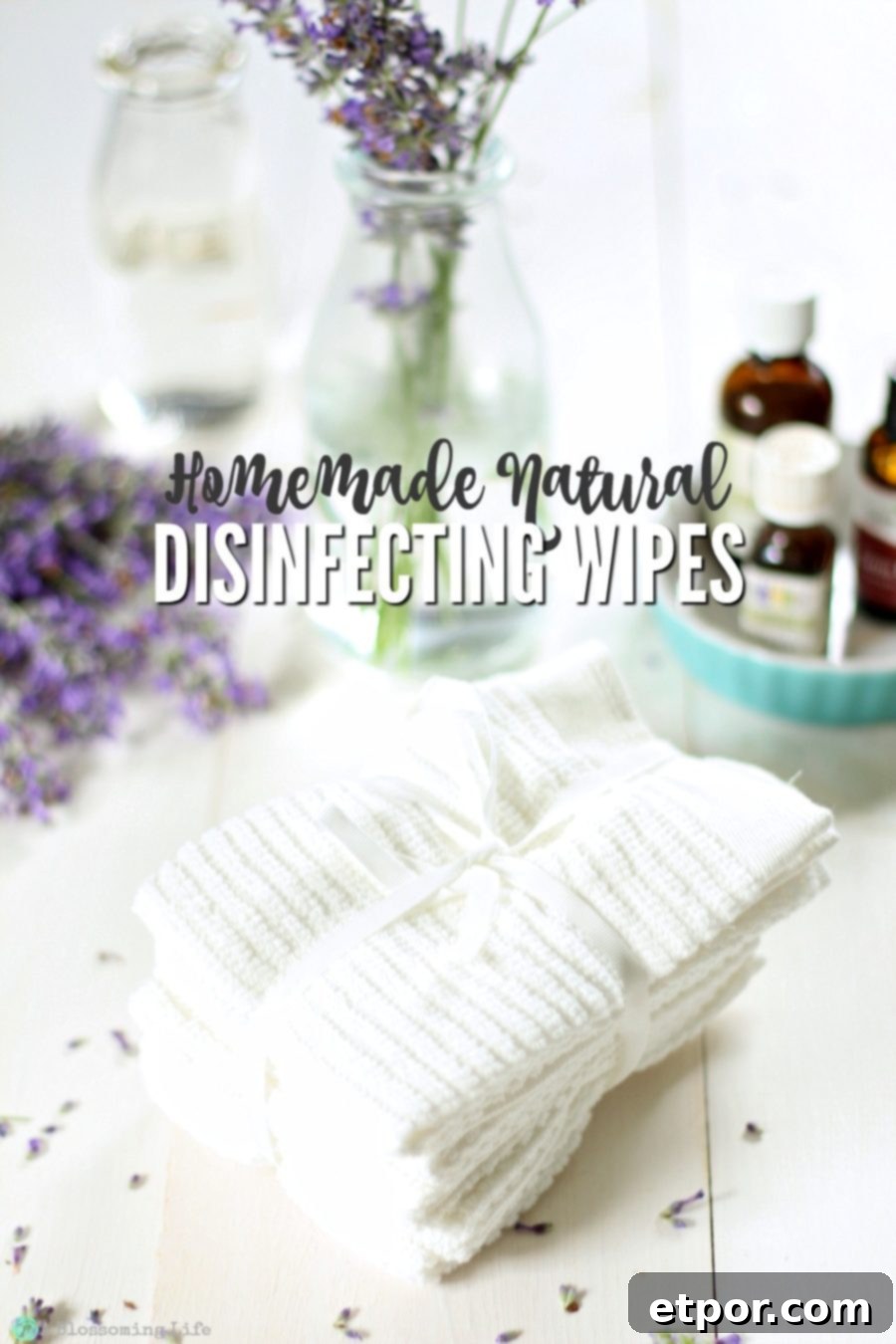
In today’s fast-paced world, maintaining a clean and healthy home can feel like a constant battle. We often reach for convenience products, like store-bought disinfecting wipes, without fully understanding their contents. But what if you could have the convenience without compromising your family’s health or the environment? This guide will show you how to effortlessly create your own natural disinfecting wipes, transforming your cleaning routine into a safer, more sustainable, and surprisingly simple endeavor.
As someone who spends a significant amount of time at home, I’ve become intimately familiar with the demands of keeping a household spotless. While my wonderful husband certainly contributes his share, the sheer volume of cleaning required led me to seek out more efficient and, critically, healthier solutions. These homemade natural disinfecting wipes have been a game-changer, allowing me to quickly tackle spills and sanitize surfaces without exposing my loved ones to harsh chemicals. For busy parents, eco-conscious individuals, or anyone looking to simplify their life, these wipes are a true lifesaver.
Why Choose Natural Over Commercial Disinfecting Wipes?
For years, many of us have relied on conventional cleaning products, trusting that they provide the best protection against germs. However, a growing body of research, including reports from organizations like the Environmental Working Group (EWG), highlights significant concerns about the ingredients found in many popular store-bought disinfecting wipes. These products often contain a cocktail of synthetic chemicals linked to a range of adverse health effects.
One of the primary culprits found in many commercial wipes are quaternary ammonium compounds, or “quats.” While effective germ-killers, quats have been associated with respiratory issues, including asthma, and skin irritation. Beyond quats, many conventional wipes utilize synthetic fragrances that can trigger allergies and contain phthalates, which are known endocrine disruptors. Some even include bleach or other harsh chemicals that can be corrosive, emit volatile organic compounds (VOCs), and contribute to indoor air pollution. The long-term exposure to such chemicals, especially in enclosed spaces, can have cumulative effects on our health.
The good news is, you don’t have to sacrifice cleanliness for safety. By making your own natural disinfecting wipes, you gain complete control over the ingredients. You can rest assured that you’re using simple, effective, and non-toxic components that are safe for your family, your pets, and the planet. This switch isn’t just about avoiding harm; it’s about embracing a holistic approach to home care that promotes well-being.
The Power of Simple, Natural Ingredients
The beauty of these homemade wipes lies in their simplicity. You likely already have most of the necessary ingredients in your pantry. Even if you’re new to the world of natural living, these staple items are readily available and affordable. Let’s delve into why these particular ingredients are so effective:
White Vinegar: A Natural Cleaning Marvel
White vinegar is a powerhouse in natural cleaning. Its primary active component, acetic acid, is a mild acid that boasts impressive antibacterial and antiviral properties. It effectively cuts through grease and grime, dissolves mineral deposits, and acts as a natural deodorizer. Don’t worry about the strong vinegar smell – it dissipates quickly as it dries, leaving behind a fresh, neutral scent. Vinegar is safe for most surfaces, though it’s wise to avoid it on unsealed natural stone (like granite or marble) and cast iron, as its acidity can etch or damage these materials over time.
Water: The Universal Solvent
Plain water serves as the base for our cleaning solution, diluting the vinegar and helping to distribute the essential oils. For optimal shelf life, especially if you plan to store your wipes for more than a few days, it’s recommended to use distilled water. Distilled water is free from minerals and impurities that can contribute to mold or bacterial growth in standing solutions, ensuring your wipes stay fresh and effective longer.
Essential Oils: Nature’s Disinfectants and Aromatherapy Boosters
Beyond their delightful aromas, many essential oils possess powerful antimicrobial, antiviral, and antifungal properties, making them excellent natural disinfectants. They add an extra layer of germ-fighting power and leave your home smelling wonderfully clean without synthetic fragrances. Here are some top choices for your disinfecting wipes:
- Tea Tree Oil: Renowned for its potent antiseptic, antibacterial, and antifungal properties. It’s a go-to for natural disinfection and has a fresh, medicinal scent.
- Lavender Oil: While famous for its calming scent, lavender also has antiseptic and antibacterial qualities. It adds a lovely floral note to your cleaning routine.
- Lemon Oil: A fantastic natural degreaser and disinfectant. Lemon essential oil leaves surfaces sparkling clean and imparts a wonderfully fresh, uplifting citrus aroma. It’s also known for its antiviral properties.
- Peppermint Oil: Offers a refreshing, invigorating scent and boasts antimicrobial properties. It can also act as a natural pest deterrent.
- Germ Fighter (or similar protective blends): These proprietary blends, often containing oils like clove, lemon, cinnamon, eucalyptus, and rosemary, are specifically formulated for their potent cleansing and immune-supporting properties, making them excellent for disinfecting.
When selecting essential oils, always opt for high-quality, pure therapeutic-grade oils from reputable sources to ensure effectiveness and safety. Remember that essential oils are potent, so always dilute them appropriately. A general guideline is 10-15 drops per cup of liquid for cleaning solutions.
Crafting Your Own Natural Disinfecting Wipes: A Simple Guide
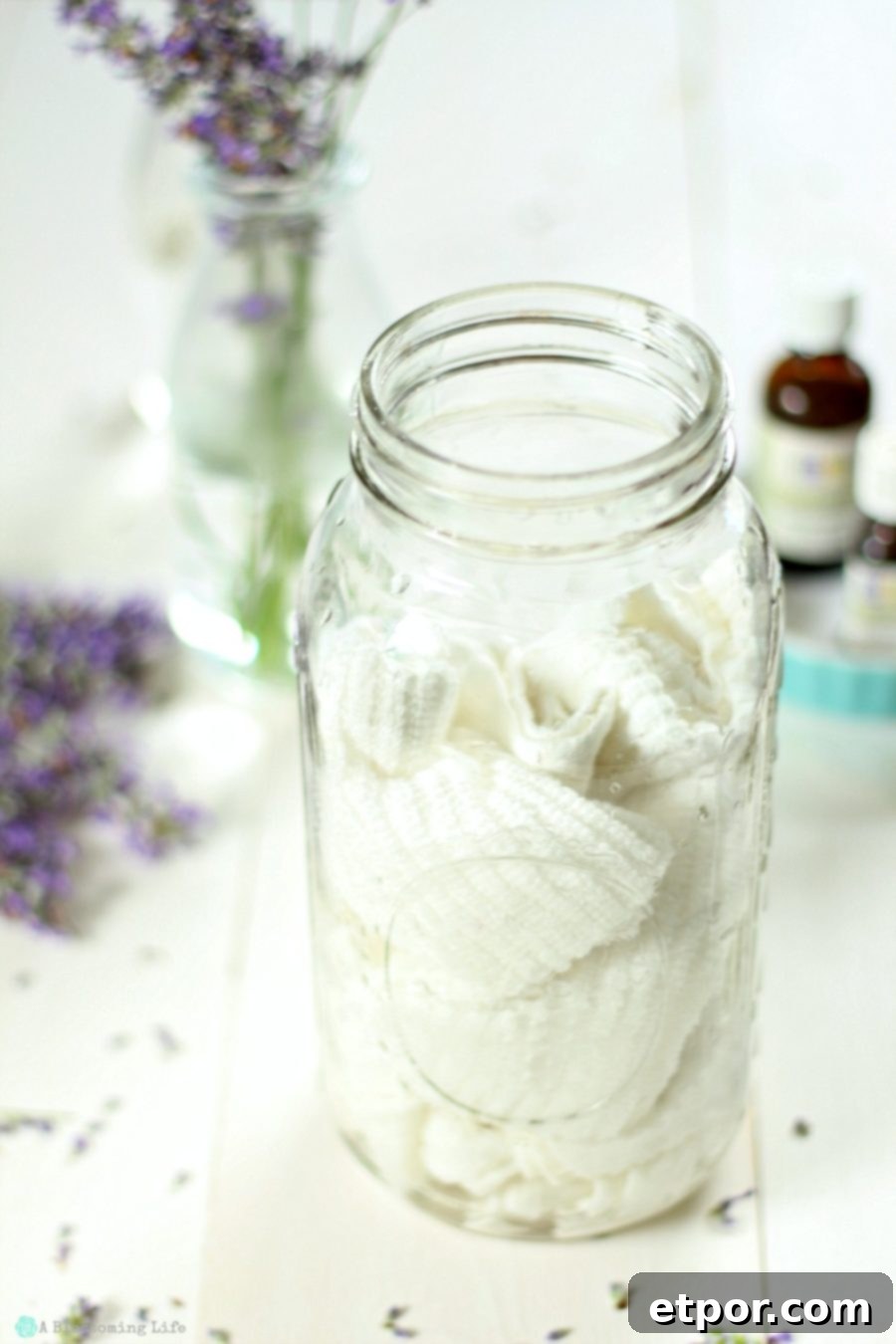
Creating these wipes is incredibly straightforward and takes mere minutes. You’ll need a roll of paper towels (preferably sturdy, unbleached ones) or a stack of reusable cloth wipes, and an airtight container for storage.
Ingredients:
- 1 cup white vinegar
- 1 cup water (use distilled water if not using immediately)
- 10-15 drops of essential oil (such as tea tree, lavender, lemon, peppermint, or a Germ Fighter blend)
- Optional: A squirt of natural dish soap for extra tough jobs
- 1 roll of sturdy paper towels or a stack of reusable cloth wipes
- An airtight container (e.g., an old wipe container, a large glass jar, or a repurposed plastic container)
Directions:
- Prepare your wipes: If using a roll of paper towels, cut the roll in half horizontally with a serrated knife to create two smaller rolls. This makes them fit better into most containers. For cloth wipes, simply stack them neatly.
- Mix the solution: In a bowl or directly in your chosen container, combine the white vinegar, water, and essential oils. If adding natural dish soap for extra cleaning power, add it now and gently stir.
- Soak the wipes: Place your paper towel half or stack of cloth wipes into the container. Pour the liquid solution evenly over the wipes, ensuring they are thoroughly saturated.
- Wait and store: Allow the wipes to absorb the liquid for a few minutes. If using paper towels, you can remove the cardboard tube from the center once saturated for easier dispensing. Seal the container tightly.
Effective Use and Storage Tips
Now that you have your homemade disinfecting wipes ready, here’s how to get the most out of them and keep them fresh:
How to Use:
Grab a wipe from your container, wring out any excess liquid to avoid oversaturating surfaces, and get cleaning! These wipes are perfect for:
- Kitchen Counters and Sinks: Wipe down after cooking to sanitize surfaces.
- Bathroom Fixtures: Quickly clean toilets, sinks, and shower surfaces.
- Door Knobs and Light Switches: High-touch areas that frequently harbor germs.
- Children’s Toys (non-porous): Safe for quickly sanitizing plastic or metal toys.
- Office Desks and Keyboards: Keep your workspace clean and germ-free.
For effective disinfection, allow the solution to sit on the surface for a few minutes before wiping dry, if desired. The vinegar and essential oils need a moment to work their magic. For delicate surfaces or electronics, it’s always wise to do a patch test in an inconspicuous area first.
Surfaces to Potentially Avoid or Use with Caution:
While generally safe, remember that vinegar is acidic. Avoid prolonged contact or frequent use on:
- Unsealed granite, marble, or other natural stone surfaces.
- Cast iron or aluminum (can cause corrosion).
- Electronic screens (check manufacturer recommendations; microfibre cloth with water is usually best).
Storage:
Store your wipes in an airtight container to prevent the solution from evaporating and to keep the wipes moist. If using distilled water, your wipes should last for several weeks. If using tap water, it’s best to use them within 1-2 weeks to prevent potential bacterial growth. If you notice any signs of mold or an unusual odor, it’s best to discard the batch and make a fresh one.
Beyond Wipes: Embracing a Naturally Clean Home
Making your own disinfecting wipes is just one step on the journey to a healthier, more natural home. Once you experience the ease and effectiveness of this DIY solution, you might find yourself inspired to explore other natural cleaning alternatives. Baking soda, castile soap, and hydrogen peroxide are other fantastic, versatile ingredients that can form the backbone of a non-toxic cleaning arsenal. By consciously choosing what goes into your cleaning products, you’re not only protecting your family but also contributing to a healthier environment.
These natural disinfecting wipes truly embody the idea that simplicity can lead to significant improvements in our daily lives. They are quick to prepare, incredibly effective, and offer peace of mind knowing you’re cleaning without harmful side effects. Say goodbye to chemical-laden wipes and hello to a sparkling clean, naturally fresh home!
This post contains affiliate links. Affiliate links help support A Blossoming Life at no extra cost to you.
You May Also Like…
Natural Remedy for Allergies, Flu, Asthma, and More