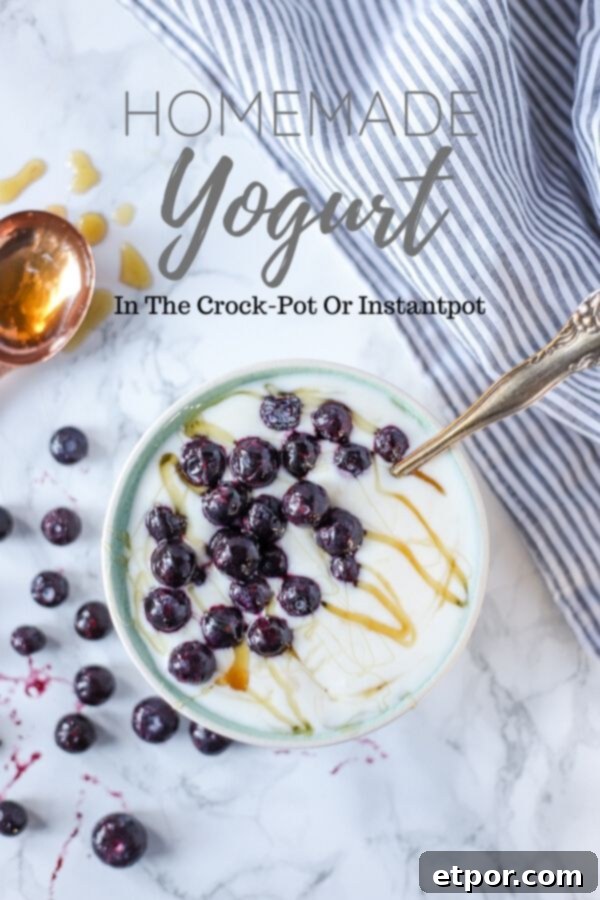
Mastering Homemade Yogurt: Your Guide to Creamy, Probiotic-Rich Delights in an Instant Pot or Crock-Pot
Discover the incredible simplicity and immense satisfaction of making your own yogurt right in the comfort of your home! This comprehensive guide will illuminate the path to crafting delicious, probiotic-rich homemade yogurt using just two essential ingredients and your trusty Crock-Pot or Instant Pot. Imagine saying goodbye to store-bought varieties that often come loaded with unnecessary sugars, artificial flavors, and thickeners. Instead, embrace a healthier, more economical, and entirely customizable option that’s perfect as a quick, nutritious snack, a wholesome breakfast base, or a versatile ingredient in countless culinary creations.
Table of Contents
Toggle
The Joy of Homemade Yogurt
There’s an unparalleled satisfaction that comes from creating wholesome food from scratch. Many people often harbor the misconception that preparing healthy, traditional items like homemade bone broth or sourdough is overly complicated and simply not practical for our fast-paced modern lifestyles. However, this couldn’t be further from the truth. In reality, a multitude of these nourishing recipes demand minimal active preparation time. The bulk of the work involves simply setting them up and then allowing time and natural processes to work their magic – much like this incredible homemade yogurt recipe.
One of the most appealing aspects of making yogurt at home is the astonishingly low hands-on time, often as little as two minutes. This brevity in active involvement allows you to take full control over the quality and purity of the ingredients that go into your yogurt. No longer will you have to worry about unwanted additives such as high-fructose corn syrup, artificial colors, or excessive sugars. If you find your plain homemade yogurt a little too bland for your liking, the power to customize is entirely in your hands. A simple drizzle of pure honey or a handful of fresh, ripe strawberries can transform it into a perfectly balanced and delectable treat. This level of personalization is impossible to achieve with store-bought options.
Why Make Your Own Yogurt: Benefits and Savings
Beyond its incredible ease, homemade yogurt offers substantial advantages, impacting both your personal health and your household budget. It is overwhelmingly more cost-effective than repeatedly purchasing commercial yogurt. While there’s an initial, modest investment in your first starter yogurt, subsequent batches become incredibly inexpensive. Depending on the price of your milk, you can typically produce approximately half a gallon of creamy, wholesome yogurt for just $2-3. This represents a significant saving compared to the cumulative cost of buying smaller containers from the grocery store – a truly unbeatable deal!
As mentioned, the active prep time for this recipe is remarkably brief, typically requiring only about two minutes to assemble the ingredients. The most challenging aspect often proves to be exercising patience while your delicious yogurt cultures and transforms itself. Yet, after experiencing the rich, fresh taste and satisfying texture of your homemade creation, you’ll undoubtedly agree that every moment of waiting is profoundly worth it. This journey into making your own yogurt isn’t just about financial prudence; it’s a step towards a healthier, more intentional lifestyle, allowing you to enjoy superior taste and gain immense satisfaction from your culinary accomplishments.
The following are affiliate links. We are a participant in the Amazon Services LLC Associates Program, an affiliate advertising program designed to provide a means for us to earn fees by linking to Amazon.com and affiliated sites.
Essential Tips for Perfect Homemade Yogurt
Choosing the Best Milk for Yogurt
- For the richest flavor and most luxurious, thick texture in your homemade yogurt, we highly recommend using whole milk. The higher fat content directly contributes to a wonderfully creamy mouthfeel. While non-fat or 2% milk can certainly be used, be aware that your resulting yogurt will likely be slightly thinner in consistency.
- **Crucially, avoid UHT (Ultra-High Temperature) milk:** This type of milk undergoes extreme heat processing that denatures its proteins and eliminates many of the beneficial bacteria vital for successful yogurt culturing. Always opt for regular pasteurized (but not UHT) or organic milk for the most consistent and effective results.
- Whenever feasible, select organic, grass-fed milk. These options often boast a superior nutritional profile, including higher levels of beneficial omega-3 fatty acids, which can further enhance your healthy homemade yogurt.
- If you’re interested in utilizing raw milk for your yogurt, the preparation process is slightly different to ensure optimal outcomes. We offer a dedicated tutorial specifically for making homemade raw milk yogurt that you may find incredibly useful.
- Don’t hesitate to experiment with different types of milk to discover which one yields your personal favorite flavor and texture!
Health Benefits of Probiotic-Rich Yogurt
Absolutely, yogurt is undeniably good for you! It’s a fantastic source of essential nutrients that your body thrives on and can significantly boost your overall health when incorporated into your diet regularly. Packed with an abundance of beneficial probiotics (often referred to as “good bacteria”), yogurt plays a crucial role in supporting a healthy and balanced digestive system. These probiotics can aid in better nutrient absorption, contribute to maintaining a healthy gut microbiome, and have even been linked to assisting with weight management. Furthermore, various studies have indicated that consistent yogurt consumption may help reduce the risk factors for developing type 2 diabetes (source).
To maximize the health advantages of your homemade yogurt, consider sweetening it with natural options. A touch of honey or maple syrup provides sweetness without artificial additives. Even better, enjoy your yogurt plain or simply stir in fresh fruit for a naturally sweet and fiber-rich boost.
Troubleshooting Watery or Lumpy Yogurt
If your homemade yogurt turns out unexpectedly watery, clumpy, or exhibits excessive separation, don’t fret! Several common factors can contribute to these issues. Over-culturing (allowing it to ferment for an extended period), culturing at too high a temperature, or utilizing an unreliable or inactive starter yogurt can all lead to these less-than-ideal textures. While a slight natural separation of whey after the yogurt has been refrigerated for a while is entirely normal (and occurs even with many store-bought varieties), extreme wateriness or lumpiness usually points to a process issue.
But fear not, these issues are often correctable! If your yogurt becomes lumpy or excessively thin, you can generally remedy it by straining. Simply pour the yogurt through a fine-mesh strainer lined with cheesecloth or a coffee filter to remove the excess whey. Afterward, vigorously whisk or beat the remaining yogurt solids until they achieve a smooth, desirable consistency. If the yogurt is just slightly watery, you can either drain off a small amount of the liquid or simply mix it back in. For consistently thicker results from the outset, explore the helpful methods detailed in the “Achieving a Thick and Creamy Texture” section below.
How Long to Store Homemade Yogurt
When stored correctly in an airtight container within the refrigerator, your freshly made homemade yogurt will remain delicious and safe to consume for approximately two weeks. If you intend to use a portion of your current batch as a starter for your next round of yogurt, it is best to utilize that starter yogurt within a 7-day period. This ensures that the live cultures remain robust and prolific, guaranteeing optimal fermentation and successful future batches.
Making Yogurt from Raw Milk
Creating homemade yogurt from raw milk involves a slightly modified approach to ensure both safety and successful culturing. To begin, gently heat one cup of your raw milk to a temperature of 112°F (44°C). Once this temperature is reached, thoroughly mix in 1.5 to 2 teaspoons of your chosen yogurt starter culture. After the starter is completely incorporated into this smaller portion of milk, you can then proceed with the main milk heating and culturing steps as detailed in the Crock-Pot or Instant Pot recipes further down this guide. For a more exhaustive, step-by-step tutorial specifically designed for raw milk yogurt, we highly recommend consulting our complete raw milk yogurt guide here.
Achieving a Thick and Creamy Texture
Many yogurt enthusiasts prefer a thicker, creamier yogurt, often resembling the rich consistency of Greek yogurt. Fortunately, there are two highly effective methods you can employ to achieve this desired texture:
- **Straining the Whey:** This is the most popular and traditional method for making a thicker, Greek-style yogurt.
- Gather a clean bowl, a fine-mesh strainer, and either several layers of good quality cheesecloth or large, unbleached coffee filters.
- Line the fine-mesh strainer with your chosen material (cheesecloth or coffee filters) and place it securely over the bowl, ensuring there’s ample space between the bottom of the strainer and the bowl to collect the whey.
- Gently spoon your freshly made homemade yogurt into the lined strainer, adding one to two cups at a time.
- Allow the whey (the clear, yellowish liquid) to gradually drain from the yogurt. The longer you permit it to strain, the thicker and denser your yogurt will become. Exercise caution not to over-strain, as this can result in a texture that is closer to cottage cheese rather than creamy yogurt.
- The strained yogurt will be wonderfully thick and rich. The collected whey is also a valuable byproduct, packed with nutrients, and can be used in smoothies, baking, or even as a fertilizer for plants!
- **Adding Gelatin:** Incorporating a small amount of gelatin can remarkably transform runny yogurt into a surprisingly creamy and thick delight.
- For every quart (approximately 1 liter) of milk you plan to use, begin with just one teaspoon of unflavored gelatin powder.
- Sprinkle this gelatin evenly over a small quantity (about 1/4 cup) of cold milk in a separate bowl. Let it “bloom” for about 5-10 minutes, allowing the gelatin to soften and absorb the liquid.
- Once bloomed, gently heat this gelatin mixture (you can do this in a microwave for a few seconds or a small saucepan) until the gelatin completely dissolves and the mixture is clear, being careful not to boil it.
- Add the dissolved gelatin mixture to your main batch of heated milk in the Crock-Pot or Instant Pot *before* you introduce your yogurt starter. Stir it in thoroughly to ensure even distribution. This will result in a consistently thicker yogurt after culturing.
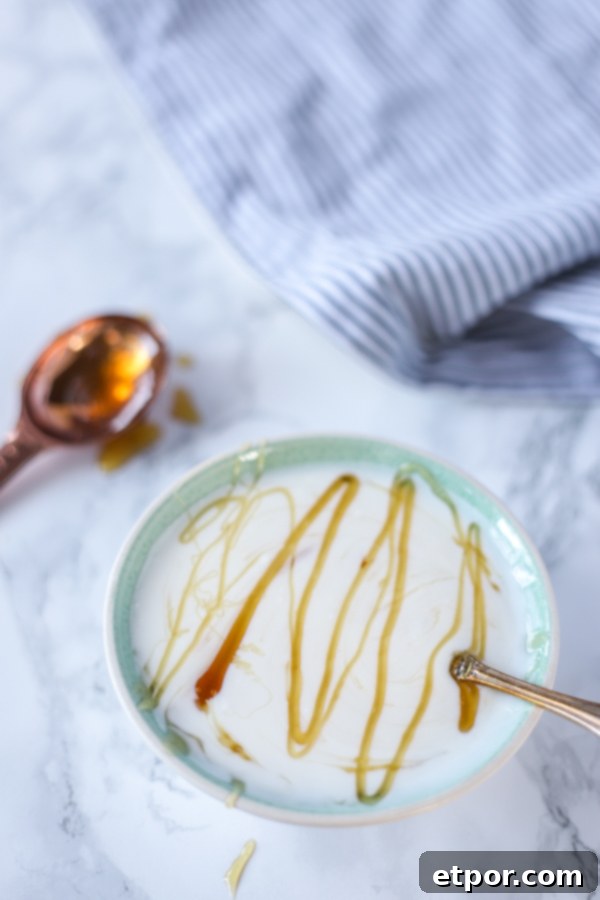
Ingredients and Equipment You’ll Need
Making homemade yogurt is a surprisingly straightforward process that requires minimal specialized tools, making it highly accessible for most home cooks. Here’s a detailed list of everything you’ll need to successfully embark on your yogurt-making adventure:
- 1/2 Gallon of Milk: This is your primary ingredient. For the creamiest, thickest homemade yogurt, whole milk is highly recommended due to its naturally higher fat content. However, if you prefer a lighter yogurt, 2% or even non-fat milk can be used, though the resulting texture will be less rich and slightly thinner.
- 1/2 Cup Yogurt Starter: This crucial ingredient introduces the beneficial bacteria (live active cultures) to your milk, which then ferments it into yogurt. You can use a high-quality, plain, unflavored store-bought yogurt that clearly states “live active cultures” on its label, or a specialized yogurt starter culture powder. Ensure your starter is fresh and active for the best results.
- Crock-Pot or Instant Pot: A slow cooker (at least 2-quart size or larger) or a multi-cooker with a dedicated yogurt function (typically 6-quart or larger) will serve as your essential appliance for both heating and culturing the milk.
- Measuring Cups and Spoons: Necessary for accurately measuring your milk and yogurt starter, ensuring the correct ratios for successful fermentation.
- Whisk or Spoon: A simple whisk or a sturdy spoon will be needed for stirring the milk during heating and for thoroughly mixing in your yogurt starter.
- Kitchen Thermometer (Optional but Highly Recommended): While not strictly mandatory for all methods, a reliable kitchen thermometer (such as an instant-read or candy thermometer) is invaluable. It helps you precisely monitor your milk’s temperature, ensuring it reaches the ideal heating point and cools to the exact range required for optimal culture activity, which is key to preventing watery or failed batches.
- Half-Gallon Mason Jar or airtight containers: Once your homemade yogurt is ready, you’ll need suitable containers for refrigeration. Mason jars or other airtight food-grade containers are perfect for storing your fresh yogurt.
- Optional Fix-ins: Prepare to get creative! Have natural sweeteners like honey, maple syrup, or fruit jam on hand. Consider flavor enhancers like vanilla extract, fresh or frozen fruit, various granolas, or even nut and seed butters to customize each serving.
Step-by-Step Homemade Yogurt Instructions
Making your own yogurt is a deeply rewarding culinary process, and thanks to modern appliances like the Instant Pot and Crock-Pot, it has become surprisingly hands-off and accessible. Follow these detailed instructions, tailored for either appliance, to successfully create your perfect batch of homemade yogurt.
Crock-Pot Yogurt Method
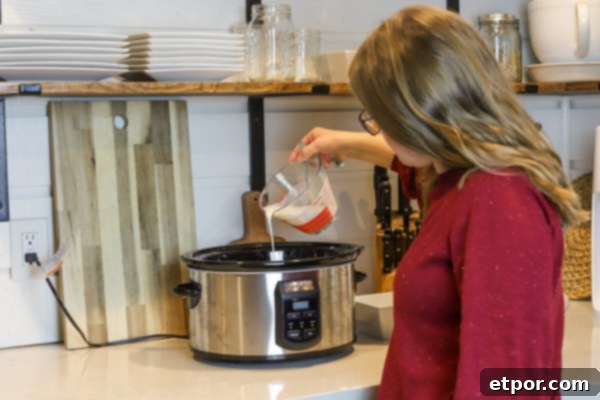
- **Heat the Milk:** Carefully pour the entire 1/2 gallon of milk into the ceramic insert of your Crock-Pot. Set your Crock-Pot to its LOW heat setting and allow the milk to heat undisturbed for approximately 2.5 hours. This initial heating phase gently brings the milk to the required temperature for culturing.
- **Natural Cool Down:** After the 2.5 hours of heating have elapsed, turn off the Crock-Pot completely. Keep the lid securely in place and allow the milk to sit undisturbed for an additional 2.5 to 3 hours. During this crucial period, the milk will gradually cool down to the optimal temperature range for introducing your starter culture. It is important not to lift the lid or disturb the milk during this time.
- **Temper the Starter:** Once the natural cooling period is complete, carefully remove 1 to 2 cups of the warm milk from the Crock-Pot and transfer it into a small, separate bowl.
- **Mix in Yogurt Starter:** To this small bowl of reserved milk, add your 1/2 cup of live yogurt starter (or the equivalent amount of specialized yogurt starter culture powder). Whisk the mixture thoroughly until the starter is completely dissolved and smoothly incorporated into the milk. This step “wakes up” and activates the beneficial bacteria.
- **Combine and Culture:** Gently pour the prepared milk and yogurt starter mixture back into the Crock-Pot with the remaining milk. Stir everything carefully but thoroughly to ensure the starter cultures are evenly distributed throughout the entire batch of milk.
- **Incubate for Fermentation:** Cover the Crock-Pot securely with its lid. For optimal insulation, wrap the entire Crock-Pot with a couple of thick towels or a warm blanket. Allow it to incubate undisturbed for 8 to 12 hours. The duration of this incubation period will influence the final tanginess and thickness of your yogurt; generally, a longer incubation yields a tangier and sometimes thicker result. This prolonged warmth allows the good bacteria to multiply vigorously and transform the milk into delicious, probiotic-rich yogurt.

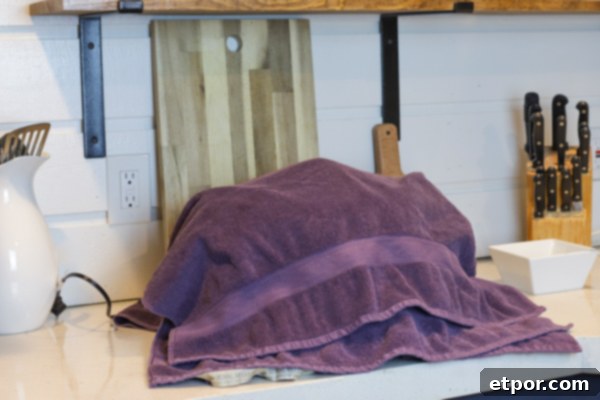
It might initially seem counter-intuitive or a long duration to leave milk out at room temperature, but rest assured, the culturing process is completely safe. The abundant good bacteria introduced by your starter actively work to ferment the milk, lowering its pH and creating an environment that protects the milk from the proliferation of harmful bacteria.
Instant Pot Yogurt Method
- **Prepare and Heat Milk:** Add the 1/2 gallon of milk to the inner pot of your 6-quart (or larger) Instant Pot. Securely close and lock the lid. **Important Tip:** If your Instant Pot’s silicone sealing ring typically absorbs odors from savory meals, it’s highly recommended to either remove it entirely for this process or use a dedicated, clean silicone ring specifically for yogurt making. This will prevent any unwanted flavors from transferring to your finished yogurt. Select the “Yogurt” setting and then adjust the pressure to “Boil” (or repeatedly press “Yogurt” until “Boil” appears on the display). This automated process, which heats the milk to the necessary temperature, can take up to an hour. As an alternative, you can use the “Sauté” function to heat the milk, stirring occasionally, until it reaches precisely 180°F (82°C) on a thermometer.
- **Rapid Cool Down:** Once the milk has reached the desired temperature and the Instant Pot beeps (or you manually turn off Sauté), carefully remove the Instant Pot’s inner pot. For rapid cooling, place the inner pot into a larger bowl filled with ice water, or simply allow it to cool on your kitchen counter. Stir the milk occasionally during cooling to help it cool evenly and prevent a skin from forming on top. Continue this cooling process until the milk temperature drops to between 105°F and 110°F (40°C-43°C). Maintaining this specific temperature range is crucial for the yogurt cultures to thrive and activate effectively. Cooling in ice water will typically take about 15-20 minutes, whereas cooling on the counter can take approximately an hour. Should the milk accidentally cool below 105°F, you can gently warm it back up for a very short period using the “Sauté” function until it reaches the correct temperature.
- **Temper the Starter:** Before adding your starter to the main batch of milk, set aside one cup of the now-cooled milk. In a separate medium-sized bowl, thoroughly whisk together your 1/2 cup of yogurt starter (or the culture powder) with this reserved cup of milk until the mixture is smooth and the starter is fully combined.
- **Combine and Incubate:** Stir the tempered yogurt mixture back into the remaining cooled milk in the Instant Pot’s inner pot. Ensure it’s thoroughly mixed throughout the entire batch. Return the inner pot to the Instant Pot. Select the “Yogurt” setting again. The Instant Pot will automatically default to an 8-hour incubation time, but you have the flexibility to adjust this up to 12 hours if you desire a tangier and potentially thicker yogurt. Securely lock the lid (note: no sealing ring is typically needed for the yogurt function as it operates without pressure).
- **Chill and Store:** Once the incubation cycle is complete, carefully remove the inner pot. Transfer your freshly made yogurt to clean, airtight storage containers, such as convenient mason jars. Cover them tightly and refrigerate the yogurt until it is thoroughly chilled, a process that typically takes 6-8 hours. Your delicious homemade Instant Pot yogurt is now ready to enjoy and can be stored in the refrigerator for up to 10 days. At this stage, you can assess its consistency and decide if you’d like to strain it further for a thicker, Greek-style yogurt.
Customize Your Yogurt with Delicious Additions
One of the most enjoyable aspects of making homemade yogurt is the complete freedom to customize it exactly to your personal preferences. Transform your simple plain yogurt into a gourmet treat or a delightful healthy snack with these versatile and delicious additions:
- **Natural Sweeteners:** A classic drizzle of pure honey or maple syrup is a fantastic choice for natural sweetness without refined sugars. For an occasional, extra-special indulgence, a light sprinkle of brown sugar or a spoonful of your favorite fruit jam can also be wonderful.
- **Flavor Extracts:** A subtle dash of homemade vanilla extract adds a comforting warmth and depth of flavor. Don’t be afraid to experiment with other natural extracts like almond or lemon for different profiles.
- **Fresh or Frozen Fruits:** Incorporate a burst of freshness and natural sweetness with berries such as raspberries, plump blueberries, or sliced strawberries. Other excellent choices include diced bananas, peaches, mangoes, or any seasonal fruit you adore. Frozen fruit works beautifully too, adding a lovely chill and thawing slightly to release its flavorful juices.
- **Crunchy Toppings:** Elevate the texture of your yogurt with delightful crunch. Options include wholesome homemade granola, perfectly toasted nuts (like almonds, walnuts, or pecans), nutrient-rich seeds (chia seeds, flax seeds, pumpkin seeds), or even a handful of your favorite crushed whole-grain cereal.
- **Nut and Seed Butters:** A spoonful of creamy almond date butter, classic peanut butter, or sunflower seed butter not only adds richness and flavor but also a significant boost of protein and healthy fats.
- **Warm Spices:** For an aromatic touch, a pinch of cinnamon, nutmeg, or cardamom can wonderfully enhance the flavor profile of your yogurt, especially when combined with fruits like apples or pears.
The true beauty of homemade yogurt lies in its incredible versatility. Let your culinary imagination guide you, allowing you to tailor each serving to your exact preferences, creating a fresh and exciting experience every single time!
More Simple and Healthy Recipes
If you’ve enjoyed the rewarding process of making homemade yogurt and are looking to expand your repertoire of wholesome, easy-to-make recipes from scratch, explore these other delicious options:
- How To Make Raw Milk Yogurt
- Homemade Buttermilk Recipe (Buttermilk Substitute)
- Tropical Oatmeal Smoothie Recipe
- Easy Blackberry Cobbler Recipe
Homemade Yogurt Recipe Card
If you try this recipe and love it, I would truly appreciate it if you could come back, leave a comment on the post, and give it a 5-star rating! Thank you so much for your support.
Homemade Yogurt in the Crock-Pot or Instant Pot
Print
Pin
Rate
SaveSaved!
Save This Recipe
We’ll get it sent to your inbox! Plus, get new recipes from us every week.
Equipment
-
Crock Pot (2-quart or larger)
-
Instant Pot (6-quart or larger with Yogurt function)
-
Small Bowl
-
Measuring Cups and Spoons
-
Whisk
-
Kitchen Thermometer (optional, but recommended)
-
Airtight Storage Containers (e.g., half-gallon mason jars)
Ingredients
Ingredients
- 1/2 Gallon Milk (whole milk for best results and creamiest texture, avoid UHT processed milk)
- 1/2 Cup Plain Yogurt (must contain live active cultures, or use yogurt starter powder according to package directions)
Instructions
Homemade Yogurt in the Crock-Pot
-
Pour 1/2 gallon of milk into the Crock-Pot. Set the Crock-Pot to its LOW heat setting and allow the milk to heat for 2.5 hours.
-
After the 2.5 hours, turn off the Crock-Pot completely and leave the lid on for another 2.5 – 3 hours to allow the milk to cool gradually.
-
Once cooled, take out 1 -2 cups of the warm milk and place it in a small bowl.
-
Add 1/2 cup plain yogurt (starter) to the milk in the small bowl and whisk well until completely smooth.
-
Pour the yogurt-milk mixture back into the Crock-Pot. Stir gently to ensure it’s fully combined. Cover the Crock-Pot with its lid and wrap it with thick towels for 8 – 12 hours to incubate.
Homemade Yogurt in the Instant Pot
-
Add 1/2 gallon of milk to the 6-quart Instant Pot inner pot, close and lock the lid (consider using a clean silicone ring or removing it to prevent odor transfer). Select the “Yogurt” setting and adjust to “Boil.” This heating process can take up to an hour. (Alternatively, use the “Sauté” function to heat milk to 180°F/82°C, stirring occasionally).
-
After heating, carefully remove the Instant Pot insert. Cool it in an ice water bath or on the counter, stirring occasionally, until the milk reaches 105-110°F (40-43°C). This takes 15-20 minutes in ice water or about an hour on the counter. Set aside 1 cup of this cooled milk.
-
In a medium bowl, whisk together the 1/2 cup yogurt (starter) and the reserved 1 cup of milk until smooth and fully combined. Stir this mixture back into the cooled milk in the Instant Pot insert.
-
Return the insert to the Instant Pot. Select the “Yogurt” setting again; it will automatically set the time for 8 hours. You can adjust this for up to 12 hours for a tangier yogurt.
-
Transfer the finished yogurt to airtight storage containers. Cover and chill in the refrigerator for 6-8 hours, or until thoroughly cold. Your homemade yogurt is ready to enjoy and can be stored for up to 10 days!
Notes
- For the creamiest and tastiest yogurt, always opt for whole milk. Avoid UHT (Ultra-High Temperature) milk, as its high processing heat can destroy the beneficial bacteria necessary for proper culturing.
- Feel free to enhance the flavor of your homemade yogurt with natural additions such as honey, fresh or frozen fruit, granola, maple syrup, or your favorite fruit jam.
- It’s critical to ensure your yogurt cultures properly. Always use a fresh starter that clearly specifies “live active cultures” to guarantee the presence of good bacteria for fermentation.
- To achieve a thicker, Greek-style consistency for your homemade yogurt, consider these methods:
- **Straining:** Place your finished yogurt in a fine-mesh strainer lined with several layers of coffee filters or cheesecloth, set over a bowl. Allow the whey to drip out for several hours, or until desired thickness is reached. Be careful not to over-strain, as this can result in a consistency more akin to cottage cheese.
- **Adding Gelatin:** To incorporate gelatin, first dissolve 1 teaspoon of unflavored gelatin powder per quart of milk in a small amount of cold milk (let it bloom for 5-10 minutes, then gently heat until fully dissolved). Add this dissolved gelatin mixture to your main batch of warm milk *before* you add the yogurt starter. Stir thoroughly.
- If you are using an Instant Pot, we strongly recommend using a new or dedicated silicone sealing ring for yogurt making. Old rings can harbor smells from previous meals, potentially transferring unwanted flavors to your delicate yogurt. Alternatively, you can remove the ring entirely if your model allows for the yogurt function without it.
- You can successfully use a portion of your homemade yogurt as a starter for your next batch. However, to ensure the cultures remain potent and prolific, it’s a good practice to refresh your starter with new store-bought yogurt (with live active cultures) or a fresh culture powder after every few batches.
Nutrition
This post was originally published in October 2011. Updated January 2020. This updated version includes additional tips, detailed explanations, and enhanced instructions for clarity and ease of use, ensuring a foolproof experience for homemade yogurt enthusiasts.