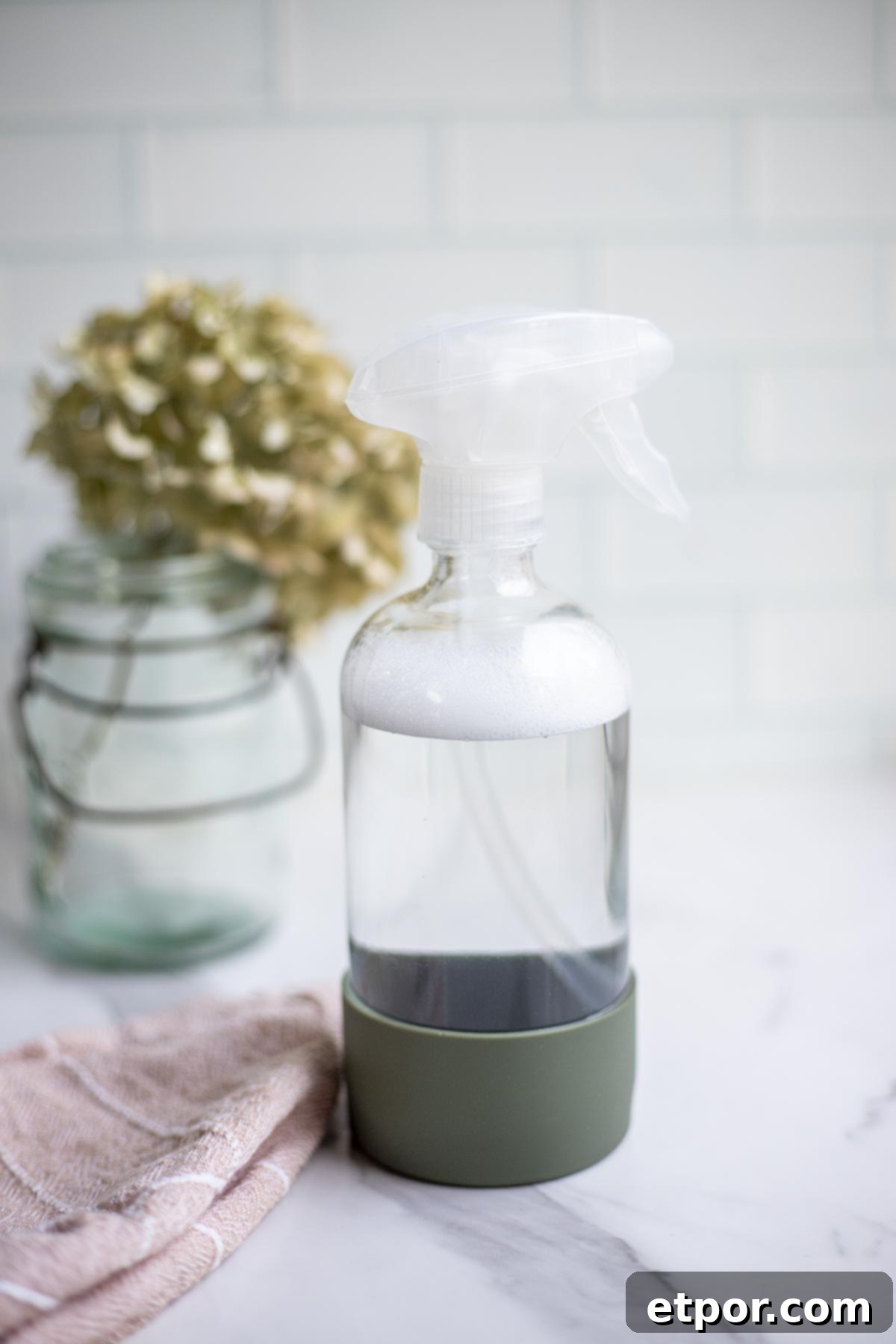
Homemade Granite Cleaner: Your Guide to Sparkling, Streak-Free Natural Countertops
If you cherish your beautiful granite or quartz countertops but are hesitant to use harsh chemicals, this homemade granite cleaner offers the perfect, natural solution. Crafted with a handful of everyday ingredients, you can effortlessly create a powerful cleaner that will leave your surfaces brilliantly sparkling, completely free of toxic residues. It’s not only incredibly affordable and simple to prepare, but also a safe and eco-friendly choice for your home and the planet.
Table of Contents
Toggle
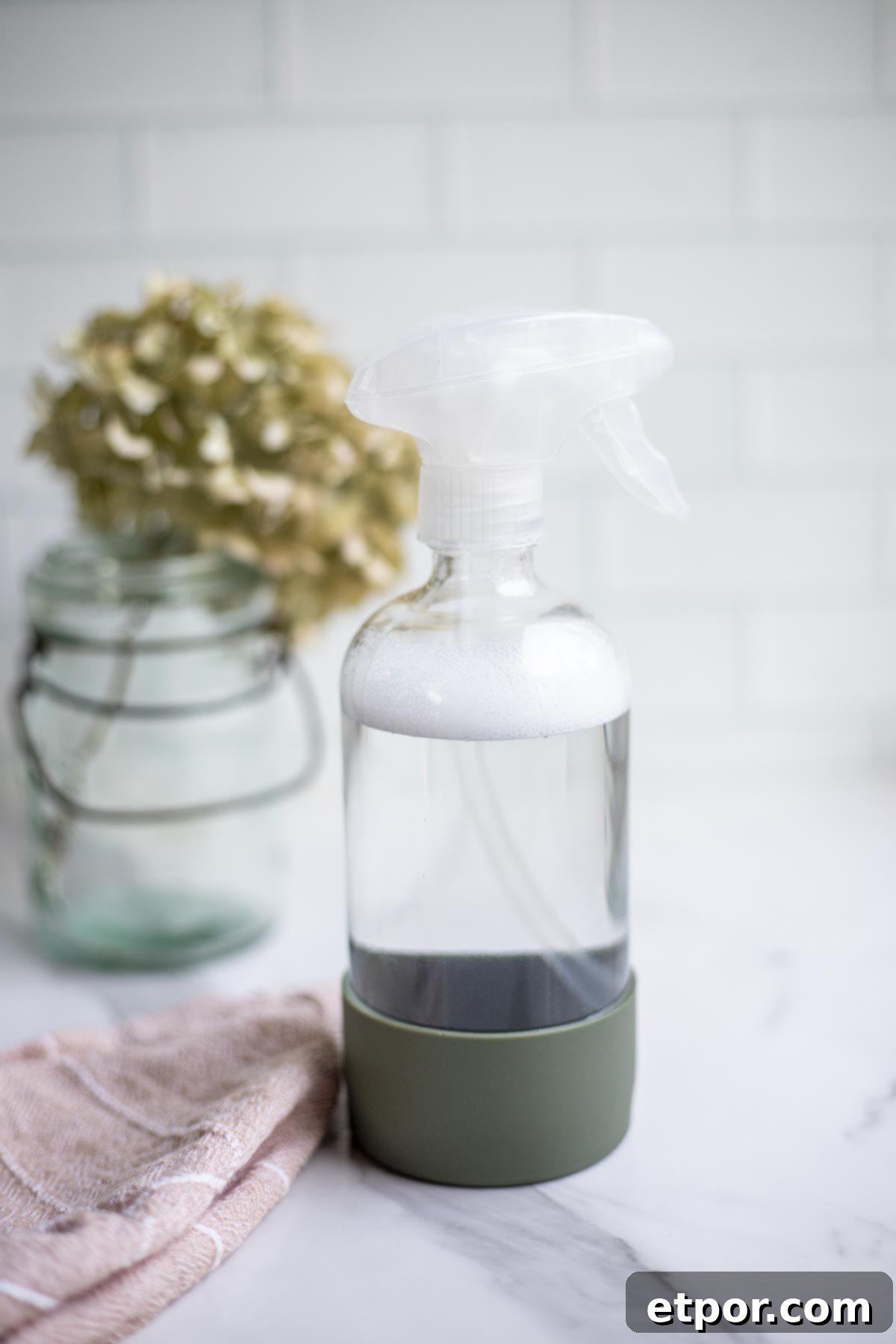
Our recent kitchen renovation brought stunning white quartz countertops into our home, replacing the old, lackluster laminate. While I’ve always relied on my tried-and-true homemade all-purpose cleaner for general cleaning, I quickly realized it wasn’t quite doing justice to the new quartz. The beautiful, reflective surface often ended up with persistent streaks, which were incredibly noticeable and frankly, quite annoying.
The thought of switching to commercial cleaners was immediately dismissed. Most store-bought options are laden with harsh, potentially toxic chemicals that I prefer to keep out of our living space. Furthermore, given how frequently we clean our kitchen surfaces, purchasing commercial cleaners regularly would quickly become a significant expense. It’s simply not a sustainable or healthy option for us.
For those new to the world of natural, DIY cleaning solutions—like our effective homemade glass cleaner or nourishing furniture polish—I’m excited to share some undeniable advantages. These homemade recipes are incredibly:
- Inexpensive to make: You’ll save a considerable amount compared to constantly buying specialized cleaners.
- Quick to prepare: Most recipes, including this granite cleaner, can be whipped up in mere minutes.
- Super effective: Don’t let the natural ingredients fool you; they deliver powerful cleaning performance.
- Made with common ingredients: Chances are, you already have most of what you need in your pantry or cleaning cabinet.
Crafting your own granite and quartz cleaner is more than just an easy way to maintain your kitchen or bathroom surfaces. It’s a conscious choice for a more eco-friendly and budget-conscious lifestyle. With minimal effort, you can ensure your countertops remain gleaming and safe, without ever needing to rely on harsh, questionable chemicals!
Why You’ll Love This Natural Granite Cleaner
There are numerous compelling reasons to switch to this homemade cleaner for your cherished granite and quartz surfaces:
- Non-toxic Formula: By utilizing simple, natural ingredients such as rubbing alcohol and a mild dish soap, you completely sidestep the harmful chemicals frequently found in commercial cleaning products. This creates a safer environment for your family and pets.
- Customizable Scent: The addition of a few drops of your favorite essential oils allows you to personalize the fragrance. Opt for calming lavender for a soothing atmosphere, invigorating lemon essential oil for a crisp and fresh aroma, or perhaps peppermint for a stimulating, clean scent.
- Remarkably Affordable: This recipe leverages ingredients that are likely already staples in your home, transforming it into a highly cost-effective method for keeping your countertops immaculately pristine without breaking the bank.
- Quick and Effortless Preparation: In just a few short minutes, you can easily prepare a fresh batch of cleaner, allowing you to return to your cleaning tasks without delay. Its simplicity is truly a game-changer for busy households.
- Guaranteed Streak-Free Shine: One of the most frustrating aspects of cleaning shiny surfaces is dealing with streaks. This natural granite cleaner is specifically formulated to leave your kitchen and bathroom counters sparkling clean, gleaming, and completely free of any unsightly streaks – a truly satisfying result!
- Eco-Friendly Choice: Reducing your reliance on single-use plastic bottles from store-bought cleaners contributes to a healthier planet. Refillable spray bottles make this a sustainable choice.
This post may contain affiliate links. Read disclosure policy for the full disclosure.
Key Ingredients for Your DIY Cleaner
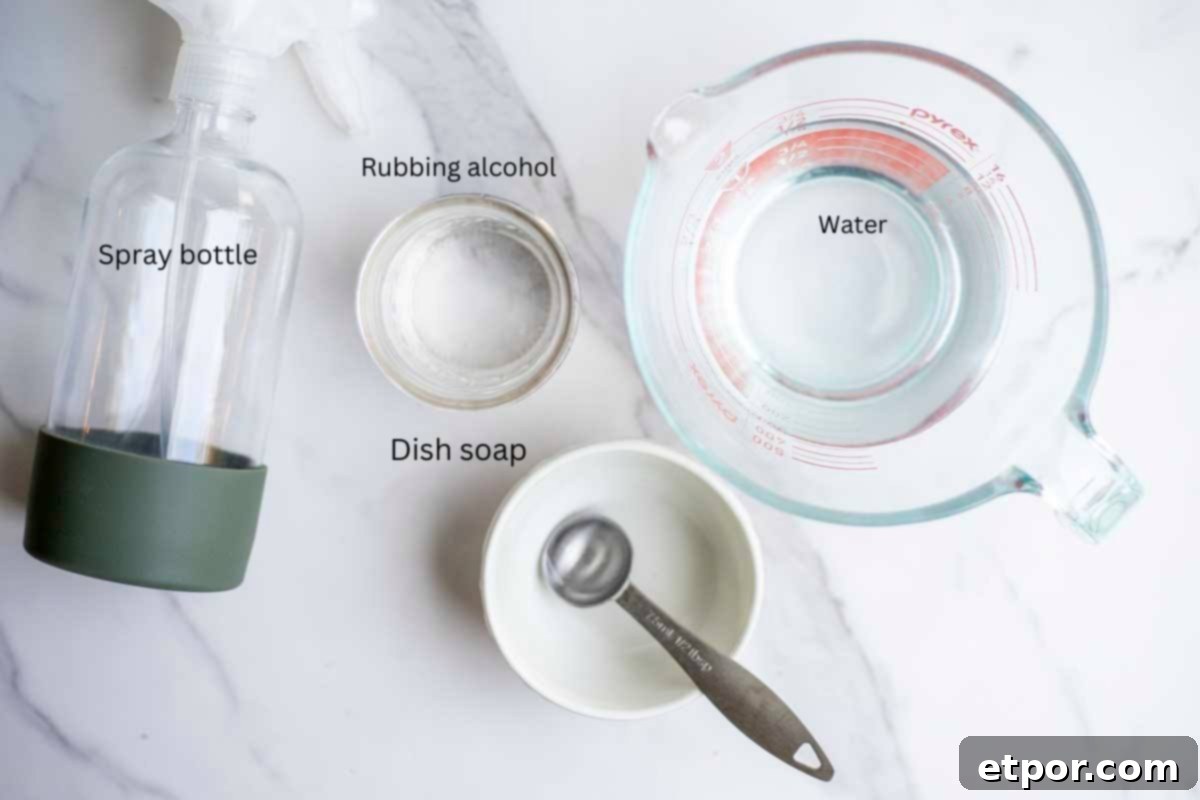
Creating your powerful, natural granite cleaner requires just a few basic ingredients that are both effective and safe:
- Water: While tap water can be used, many prefer distilled water or reverse osmosis (RO) water. This helps prevent any potential bacteria growth in the cleaner over time and eliminates mineral deposits that can lead to water spots or streaks, ensuring a truly spotless finish.
- Rubbing Alcohol: Also known as isopropyl alcohol (preferably 70% or 90%), this ingredient is a true workhorse. It acts as a disinfectant, effectively killing germs and bacteria on your surfaces. More importantly for shiny countertops, it evaporates quickly, contributing significantly to that desired streak-free shine. Alcohol helps cut through grease and grime without leaving a film.
- Mild Dish Soap: The type of soap you use is crucial. I highly recommend using Castile soap because it is incredibly mild, non-abrasive, and completely free of harsh chemicals, dyes, and synthetic fragrances that could damage your granite’s sealant or leave a residue. It acts as a gentle surfactant, lifting dirt and food particles.
- Essential Oils (optional): Essential oils not only impart a pleasant, natural fragrance but can also add to the cleaning power. Lavender offers calming and antibacterial properties, while lemon essential oil (or other citrus oils like wild orange or grapefruit) is fantastic for its degreasing capabilities and can help lift sticky residues, even stubborn ones from labels on glass! Tea tree oil is known for its powerful antimicrobial benefits.
Essential Tools for Making Your Cleaner
Gathering these simple tools will make the cleaner preparation process quick and mess-free:
- A clean, empty spray bottle (at least 16-24 oz is ideal) to efficiently mix, store, and apply your homemade cleaner.
- Measuring cup and measuring spoon for accurate ingredient ratios.
- A small funnel (optional, but highly recommended) to make pouring liquids into the spray bottle much easier, preventing spills and waste.
- A soft cloth or a clean, high-quality microfiber cloth for wiping down your surfaces. Microfiber is particularly excellent for achieving a streak-free, polished finish on granite and quartz.
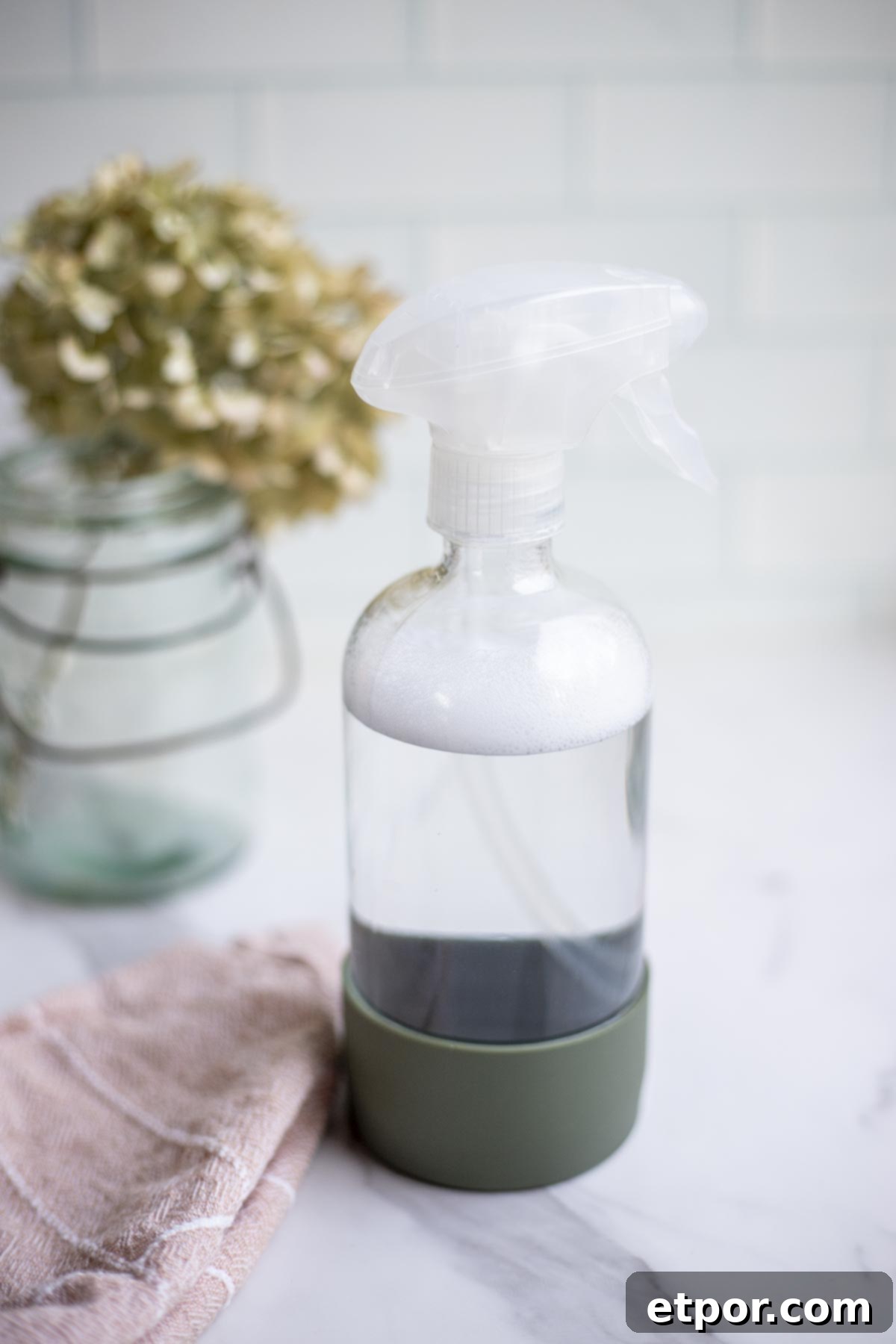
Step-by-Step Guide: How to Make Homemade Granite Cleaner
Making this natural cleaner is incredibly straightforward. Just follow these simple steps:

Step 1: Prepare Your Bottle. Begin by ensuring your spray bottle is thoroughly clean. If it’s a new bottle, a quick rinse with warm, soapy water is sufficient. If you’re reusing an old bottle, clean it well to remove any residue from previous contents. Now, carefully add the measured water, rubbing alcohol, and mild dish soap into the bottle. If you desire a pleasant scent or additional cleaning benefits, incorporate about 10-15 drops of your chosen essential oil (adjust the quantity based on your preference for scent strength).
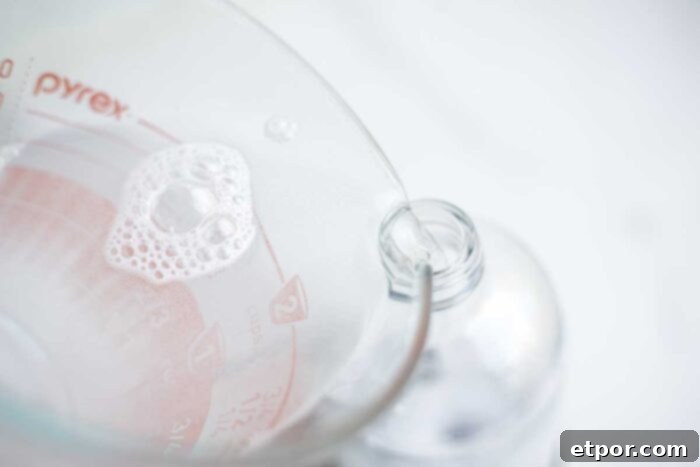
Step 2: Combine the Ingredients. Once all the ingredients are meticulously added to the spray bottle, securely fasten the lid or spray top. Give the bottle a good, vigorous shake to ensure that all the liquids are thoroughly mixed and emulsified. This step is important for an even distribution of the cleaning agents.
Step 3: Apply and Enjoy! Your homemade granite and quartz cleaner is now ready for action! Simply spray the cleaner directly onto your granite or quartz countertops, covering the soiled area. Then, using a soft, clean, and dry cloth or a dedicated microfiber towel, wipe the surface clean. The beauty of this formulation is that there’s absolutely no need for rinsing, leaving behind a dazzling, streak-free shine.
Expert Tips for Best Granite Cleaning Results
To maximize the effectiveness and safety of your homemade granite and quartz cleaner, keep these valuable tips in mind:
- Always Test First: Before applying your homemade cleaner to your entire countertop, it is always a wise precaution to test it on a small, inconspicuous portion of your surface. This ensures compatibility and peace of mind, especially if you have a unique stone or a newly sealed surface.
- Ensure Proper Ventilation: As this cleaner contains rubbing alcohol, it’s a good practice to use it in a well-ventilated area. Open a window or turn on an exhaust fan to dissipate any alcohol fumes, making your cleaning experience more comfortable.
- Suitable for Daily Use: This gentle yet effective formula is perfectly appropriate for everyday cleaning. Regular wiping with this cleaner will help prevent grime buildup and keep your surfaces consistently pristine.
- For Stubborn Spots and Heavy Grime: If you encounter particularly stubborn stains, sticky residues, or areas with heavy grease, you can easily create a slightly stronger solution. Increase the rubbing alcohol to approximately 1/2 cup and add a little more mild dish soap (e.g., a full tablespoon). Boosting the lemon essential oil to 15-20 drops can also enhance its degreasing power.
- Beyond Scent: Essential Oil Benefits: While essential oils add a lovely aroma, many also offer therapeutic or enhanced cleaning properties. Consider eucalyptus oil for its purifying scent, peppermint for an invigorating and pest-repelling effect, or sweet orange for its uplifting and powerful degreasing capabilities.
- Proper Cloth Care: Use separate microfiber cloths for cleaning and drying to avoid cross-contamination and ensure maximum absorbency for a streak-free finish. Wash your microfiber cloths regularly to maintain their effectiveness.
- Wipe Spills Immediately: Although granite and quartz are durable, they are not impervious. Acidic spills like citrus juices, wine, or coffee should be wiped immediately to prevent etching or staining, even on a sealed surface.
What to Steer Clear Of When Cleaning Granite and Quartz Countertops
Granite and quartz countertops are renowned for their durability and timeless beauty, but they do require specific care to preserve their pristine appearance and structural integrity. Using inappropriate cleaning methods or products can lead to dullness, stains, or even permanent damage. Here are several key substances and practices you absolutely should avoid when caring for your granite or quartz surfaces:
Aggressive Cleaners or Caustic Chemicals
Steer clear of highly acidic or overly alkaline cleaners. This includes common household staples like vinegar, lemon juice, ammonia-based cleaners, or any product containing lye. These substances can aggressively strip away the protective sealant on granite, leaving the porous stone vulnerable to absorbing stains and etching. Over time, they can also dull the surface, diminishing its natural luster and sheen. For quartz, while non-porous, harsh chemicals can still break down the resin binders and cause discoloration or dullness.
Scratchy Abrasive Scrubbers
The use of abrasive cleaning tools, such as rough sponges, heavy-duty scrub brushes, scouring pads, or steel wool, can severely scratch the delicate surface of granite and quartz. These micro-scratches accumulate over time, leading to a dull, hazy finish that detracts from the stone’s beauty. Always opt for soft cloths, plush microfiber towels, or gentle, non-abrasive sponges to clean your countertops softly and effectively.
Bleach-Based Products
Bleach, whether in its concentrated form or as part of a cleaning product, is far too harsh for both granite and quartz surfaces. For granite, it can weaken the stone’s natural structure and may cause irreversible discoloration, particularly on lighter-colored slabs. For quartz, bleach can bleach out the pigments, leading to uneven color and permanent damage to the resin. Avoid it completely.
Excessive Water Exposure
While granite is sealed, it remains a naturally porous stone, and excessive water can still pose a threat. Prolonged exposure to standing water, especially around edges and seams, can lead to moisture absorption, potentially causing water spots, discoloration, or even fostering the growth of mold and mildew within the stone. Always ensure to dry the surface thoroughly and promptly after cleaning to prevent any moisture buildup. Quartz, while less porous, can still suffer from watermarks if left to air dry repeatedly.
Waxes or Oil-based Polishes
Using waxes, furniture polishes, or any oil-based cleaning products on granite or quartz can leave behind a greasy, sticky film on the surface. This residue not only dulls the natural shine of your countertops but also acts as a magnet for dust, dirt, and grime, making subsequent cleaning efforts more challenging. Over time, these products can degrade the stone’s finish and require specialized stripping to remove.
Frequently Asked Questions About Homemade Granite Cleaner
Yes, this versatile homemade cleaner is generally safe for most non-porous surfaces around your home, including stainless steel, laminate, and ceramic tiles. However, it’s important to exercise caution and avoid using it on other natural stone surfaces like marble, travertine, or limestone, as rubbing alcohol can be too harsh and potentially damaging to these more delicate materials. Always perform a patch test first.
Absolutely not! The key to its streak-free performance lies in the rubbing alcohol component of this recipe. Rubbing alcohol evaporates rapidly, which is precisely why it helps the cleaner dry quickly without leaving any streaks or hazy residues, ensuring you achieve a perfectly shiny, spotless finish every time.
Indeed, this cleaner is formulated to be gentle enough for routine daily use. Its natural ingredients make it a safe option for keeping your countertops clean and disinfected on a regular basis. Just be mindful of the amount of dish soap you use; excessive amounts can potentially lead to a slight residue buildup over time. A small amount is all you need for effective cleaning.
You certainly can! This recipe is easily scalable, so feel free to multiply the ingredient quantities if you wish to prepare a larger volume of cleaner. For optimal freshness and effectiveness, store your homemade cleaner in a cool, dark place. Remember to give the bottle a good shake before each use to ensure the ingredients are well combined, especially if it has been sitting for a while.
Rubbing alcohol is a crucial ingredient for this cleaner due to its fast-drying properties and ability to achieve a streak-free finish, as well as its disinfecting capabilities. While it’s highly recommended, if you find yourself without rubbing alcohol, hydrogen peroxide can be used as an alternative. Hydrogen peroxide also acts as a disinfectant and helps with cleaning, though it might not evaporate quite as quickly as rubbing alcohol, potentially requiring a bit more wiping for a streak-free result. Always use a 3% solution of hydrogen peroxide.
For light cleaning and daily maintenance, wiping down your countertops with this homemade cleaner after cooking or spills is ideal. For a more thorough cleaning, especially to disinfect, aim for once a week or as needed. Regular cleaning prevents buildup and keeps your surfaces looking their best.
Yes, this cleaner is perfectly safe for sealed granite. In fact, it’s designed to be gentle enough not to strip or damage the sealant, unlike many acidic or harsh commercial cleaners. It helps maintain the integrity of your sealant while providing effective cleaning and a beautiful shine.
Explore More Natural Cleaning Solutions:
If you’re embracing a natural cleaning lifestyle, don’t stop with your countertops! Discover more eco-friendly and effective DIY cleaning recipes for every corner of your home:
- Natural Homemade Stain Remover: Tackle tough spots on fabrics with a gentle yet powerful formula.
- Homemade Laundry Detergent: Create a clean-rinsing, skin-friendly detergent for fresh laundry.
- Natural DIY Foaming Hand Soap: Keep hands clean and moisturized with this simple, luxurious recipe.
- Homemade Dishwasher Detergent: Achieve sparkling dishes without harsh chemicals or residues.

Homemade Granite and Quartz Cleaner Recipe
Print
Pin
Rate
SaveSaved!
Save This Recipe for Later!
We’ll get it sent to your inbox! Plus, get new recipes from us every week.
Recipe Equipment
-
Spray bottle
Recipe Ingredients
- 1/3 cup rubbing alcohol (70% or 90% isopropyl alcohol for best results)
- 1.5 cups water (preferably distilled or reverse osmosis water to prevent mineral deposits and streaks)
- 1/2 tablespoon mild dish soap (Castile soap is highly recommended for its natural, non-abrasive properties)
- 10-15 drops essential oil (lemon, lavender, tea tree, or your favorite scent; optional for fragrance and enhanced cleaning)
Recipe Instructions
-
Thoroughly clean your chosen spray bottle with soap and water if necessary, ensuring it’s free of any previous cleaning product residues.
-
Carefully measure and add the water, rubbing alcohol, and mild dish soap into the prepared spray bottle. If you’re incorporating essential oils for scent or added cleaning power, now is the time to add 10-15 drops (adjusting the quantity based on your desired scent strength).
-
Once all ingredients are in the bottle, securely put the lid or spray top back on. Shake the bottle vigorously for about 15-20 seconds to ensure all the components are thoroughly combined and emulsified.
-
To use, simply spray the homemade cleaner directly onto your granite or quartz countertops. Then, using a soft, clean, and dry cloth or a high-quality microfiber towel, wipe the surface clean. There is no need to rinse afterward, allowing for a brilliant, streak-free shine.
Notes
- It is always a good idea to test your homemade cleaner on a small, inconspicuous portion of your countertops to ensure suitability, especially for new or unique stone finishes.
- When using any alcohol-based cleaner, always ensure you are in a well-ventilated area to prevent the accumulation of fumes.
- This gentle yet effective formulation is appropriate for daily cleaning, helping to maintain your countertops’ sparkle and hygiene.
- For stubborn spots and tougher messes: If you encounter areas with persistent grime or sticky residues, you can modify the recipe slightly for a stronger clean. Increase the rubbing alcohol to 1/2 cup and add a little more dish soap (e.g., a full tablespoon). Adding extra lemon essential oil (up to 20 drops) can also boost its degreasing properties.
- For an enhanced aromatic experience or specific cleaning benefits, experiment with different essential oils. Eucalyptus offers a fresh, purifying scent, peppermint is invigorating, and sweet orange is excellent for cutting through grease while leaving a cheerful aroma.