Embrace Natural Freshness: Your Ultimate Guide to DIY Baking Soda Deodorant
Are you ready to revolutionize your personal care routine? Discover the incredible simplicity and effectiveness of natural homemade deodorant. This easy-to-make baking soda deodorant uses just a few common ingredients and promises to keep you feeling fresh and odor-free throughout your busy day. Say goodbye to harsh chemicals and embrace a healthier, more sustainable approach to body care. Follow our comprehensive guide to craft your own powerful, natural deodorant at home.
Table of Contents
To create this highly effective natural deodorant, you’ll need just a few key ingredients: coconut oil, cornstarch or arrowroot powder, baking soda, and your choice of essential oils (optional, but highly recommended for added benefits and fragrance).
This guide was last updated in December 2018 for accuracy and enhanced content.
For years, I’ve been on a personal journey to embrace a more natural and wholesome lifestyle. This commitment extends beyond the food I eat to include the products I use on my body and in my home. It’s what ultimately led me to discover the magic of DIY deodorant. Initially, I was skeptical. As someone prone to sweating and odor, I worried that a homemade solution wouldn’t stand up to the challenge. However, I was pleasantly surprised by its exceptional effectiveness.
My work often involves physically demanding activities in environments without air conditioning, leading to significant sweating. Yet, with this DIY deodorant, I consistently remain odor-free, even on the most active days. This personal testimony underscores just how powerful and reliable this natural alternative can be, even for those who typically struggle with body odor.
Why Should You Switch to Natural Deodorant?
Many conventional deodorants and antiperspirants contain ingredients that raise concerns for those seeking a cleaner, healthier lifestyle. Understanding these potential issues can empower you to make informed choices about what you apply to your skin.
The Problem with Conventional Deodorants
The skin, especially in the underarm area, is highly absorbent. Studies suggest that a significant portion—up to 60%—of what we apply topically can be absorbed directly into our bloodstream. Unlike substances ingested through food, these chemicals bypass the filtering processes of the liver and digestive system, entering our system directly. This makes the composition of our personal care products incredibly important.
The underarm region is particularly sensitive, housing numerous lymph nodes and hormone receptors. Research indicates that chemicals found in many deodorants can accumulate in the fat cells of the armpit area. If these chemicals are indeed harmful, their prolonged storage in such a sensitive location could pose health risks.
Here’s a closer look at some common ingredients in traditional deodorants and why many choose to avoid them:
- Artificial Fragrances: Often listed simply as “fragrance” or “parfum,” these are complex mixtures of chemicals, many of which are known endocrine disruptors. Endocrine disruptors can interfere with the body’s hormone system, potentially leading to developmental, reproductive, neurological, and immune problems.
- Phthalates: Commonly used in fragrances to make scents last longer, phthalates are also endocrine disruptors linked to a range of health issues, including reproductive problems and increased risk of certain cancers.
- Parabens: These preservatives, such as methylparaben, propylparaben, and butylparaben, prevent bacterial growth in products. However, parabens can mimic estrogen in the body and have been detected in breast cancer tissue samples. One striking study found that 99% of breast cancer samples tested positive for at least one type of paraben, with 60% containing all five common parabens.
- Aluminum Compounds: Found in antiperspirants, aluminum works by temporarily plugging sweat ducts to reduce perspiration. While a direct, causal link to breast cancer has not been definitively proven, some studies have noted a higher incidence of breast cancer in the upper outer quadrant of the breast (near the armpit where antiperspirants are applied). Furthermore, aluminum has been a subject of concern regarding its potential neurotoxic effects, although more research is needed.
It’s important to distinguish between deodorants and antiperspirants. While conventional antiperspirants contain aluminum to block sweat, natural deodorants, including this DIY version, do not. Instead, ingredients like cornstarch help absorb moisture, allowing your body to sweat naturally while still neutralizing odor. This allows your body’s natural detoxification process to function without interference.
Please note: The following links are affiliate links. As an Amazon Associate, we earn from qualifying purchases through these links, which helps support our content creation.
The Power of Natural Ingredients
Understanding the role of each ingredient in your homemade deodorant empowers you to customize your recipe and appreciate its natural effectiveness.
Baking Soda: The Odor Neutralizer
- Function: Baking soda (sodium bicarbonate) is a powerful natural deodorizer. It works by neutralizing the acidic compounds in sweat that bacteria feed on, thus preventing odor before it starts. Its alkaline nature helps create an environment where odor-causing bacteria struggle to thrive.
- Benefits: Highly effective at eliminating body odor. Cost-effective and widely available.
- Considerations: Some individuals with very sensitive skin may experience irritation or a rash due to baking soda’s alkaline pH. If this occurs, consider reducing the amount of baking soda or exploring a baking soda-free alternative.
Cornstarch or Arrowroot Powder: The Moisture Absorber
- Function: Both cornstarch and arrowroot powder are excellent natural moisture absorbers. They help to keep your underarms dry by soaking up excess perspiration, reducing the damp environment where bacteria thrive.
- Benefits: Reduces wetness without blocking natural sweating. Provides a smooth texture to the deodorant. Arrowroot powder is often preferred by those avoiding corn-derived products.
- Choice: Either ingredient works wonderfully. Arrowroot powder is typically finer and can feel silkier on the skin.
Coconut Oil: The Antibacterial Base
- Function: Coconut oil serves as the primary base for this deodorant, binding all the other ingredients together to create a smooth, spreadable consistency. Beyond its textural role, coconut oil possesses remarkable antibacterial and antifungal properties.
- Benefits: Its lauric acid content helps to kill odor-causing bacteria, providing an extra layer of defense against stink. It also moisturizes the skin, making it an excellent carrier for other active ingredients.
- Texture: Coconut oil melts around 76°F (24°C), which means your deodorant’s consistency will vary with temperature. It will be solid in cooler temperatures and softer or liquid in warmer conditions.
Essential Oils: For Scent and Extra Benefits
- Function: Essential oils are optional but highly recommended for adding a pleasant natural fragrance and boosting the deodorant’s antibacterial properties.
- Benefits: Many essential oils are naturally antibacterial, antiseptic, and antifungal, directly combating the microbes responsible for body odor. They also offer a wide range of delightful scents, allowing for personal customization.
- Recommendations:
- Tea Tree Oil: A powerhouse for its potent antibacterial, antifungal, and antiseptic qualities. An excellent choice for fighting odor-causing germs.
- Lavender: Soothing, calming, and mildly antibacterial with a universally loved floral scent.
- Lemon/Grapefruit: Uplifting, refreshing, and naturally antibacterial. Citrus oils can be photosensitive, so use with caution if exposing skin to direct sunlight immediately after application (though underarms are less exposed).
- Frankincense: Offers a warm, woody, and earthy aroma with anti-inflammatory and antiseptic properties.
- Palmarosa: Has a rosy, grassy scent and is known for its antibacterial and antifungal effects, making it great for skin health.
- Eucalyptus/Peppermint: Invigorating and highly antibacterial, perfect for a fresh, clean feeling.
- Safety: Always use high-quality, pure essential oils. Perform a patch test to ensure no skin sensitivity. If you are pregnant, nursing, or have any medical conditions, consult with a healthcare professional before using essential oils.
Essential DIY Deodorant Tips
To ensure your homemade deodorant experience is as effective and enjoyable as possible, keep these practical tips in mind:
- Choose Germ-Fighting Essential Oils: Select essential oils known for their antibacterial properties to actively combat odor-causing bacteria in the underarm area. Tea tree oil, lavender, frankincense, eucalyptus, and palmarosa are excellent choices.
- Achieve the Perfect Consistency: If you find the ingredients difficult to mix, gently melt the coconut oil first, then combine with the dry ingredients and essential oils. If it becomes too liquid, allow it to harden slightly before stirring again. For a firmer deodorant, consider refrigerating it for a short period after mixing.
- Optimal Storage: Store your DIY deodorant in a cool, dry place. Since coconut oil melts at approximately 76°F (24°C), storing it in the refrigerator during warmer months or if your home is warm will help maintain a solid consistency.
- Application Method: For best results, I highly recommend applying this deodorant with your fingertips. Take a small pea-sized amount and gently rub it into your underarms. This method allows for better distribution and ensures you apply just the right amount. Alternatively, you can repurpose an old, clean deodorant stick container and store it in the fridge for a mess-free roll-on application.
- Start with Clean Underarms: Always apply your deodorant to clean, dry skin for maximum effectiveness.
- Patch Test: Before full application, especially if you have sensitive skin, perform a patch test on a small area of skin to ensure you don’t have any adverse reactions to the ingredients, particularly baking soda or essential oils.
How To Make Your Own Natural DIY Deodorant
Crafting your own natural deodorant is a straightforward process that takes mere minutes. Follow these simple step-by-step instructions to create a batch of effective, odor-fighting goodness.
Step 1: Gather and Combine Dry Ingredients
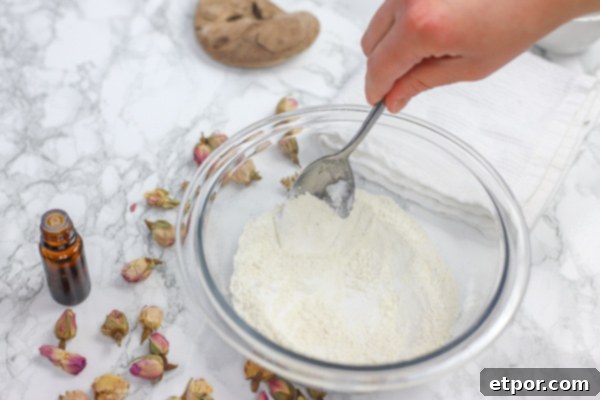
Begin by gathering all your necessary ingredients: baking soda, cornstarch (or arrowroot powder), coconut oil, and your chosen essential oils. In a clean mixing bowl, combine the specified amounts of baking soda and cornstarch. Use a fork or whisk to thoroughly mix these dry powders until they are evenly distributed and free of lumps. This ensures the odor-neutralizing and moisture-absorbing properties are well blended throughout the deodorant.
Step 2: Incorporate Wet Ingredients
Next, slowly add the coconut oil to your dry mixture. If your coconut oil is solid, you may need to gently warm it slightly until it softens, but avoid fully melting it unless necessary for easier blending. Gradually mix the coconut oil into the powders using a fork or a small mixer. Continue mixing until a thick, uniform paste forms. At this point, add your desired essential oils (5-20 drops, depending on desired strength and oil type). Mix again until the essential oils are thoroughly incorporated, ensuring a consistent scent and even distribution of their beneficial properties throughout the deodorant.
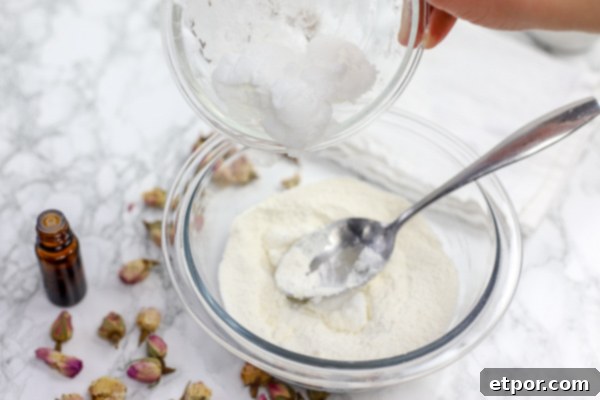
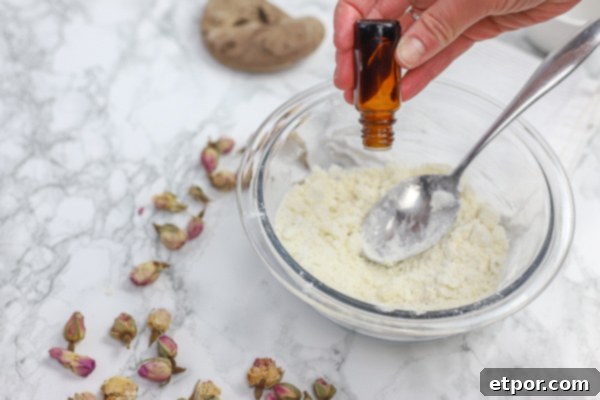
Step 3: Store and Apply
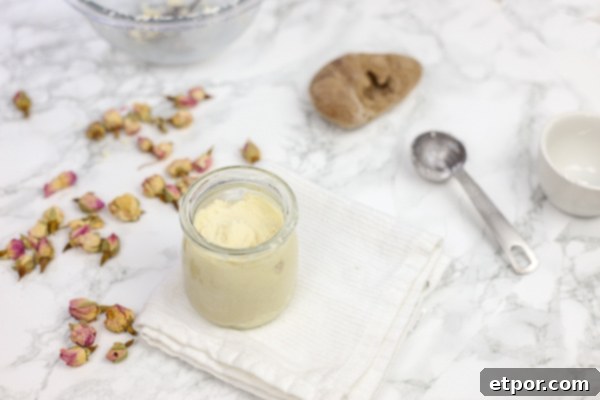
Once your deodorant mixture is complete, transfer it to your chosen storage container. You have a couple of options: you can either place it into a cleaned, empty deodorant stick container and then refrigerate it to help it solidify, especially since coconut oil becomes liquid at temperatures around 76°F (24°C). Alternatively, and often preferred for easier application and more generous use, you can scoop the mixture into a small glass jar or a clean plastic container. When ready to use, simply apply a small amount with your fingertips. Storing it in the fridge will keep it firm and refreshing.
DIY Deodorant Recipe Card
DIY Deodorant With Baking Soda
Ingredients
- 1/4 cup baking soda
- 1/4 cup cornstarch or arrowroot powder
- 5-6 Tbs coconut oil
- 5-20 drops essential oils (optional)
Instructions
-
Combine the baking soda and cornstarch (or arrowroot powder) in a bowl, mixing thoroughly. Slowly incorporate the coconut oil and essential oils using a fork or mixer until a smooth, uniform paste is formed.
-
Transfer the mixture into a clean, empty deodorant stick container or a small glass jar. If using a stick, place it in the fridge to harden. For jar storage, simply use your fingertips to apply. Storing in the refrigerator helps maintain a firmer consistency, especially if your home temperature exceeds 76°F (24°C).
Notes
Making your own deodorant is not just a journey towards better health and a more natural lifestyle, but also a fantastic way to save money and reduce your environmental footprint by minimizing packaging waste. It’s a win-win for you and the planet!
Frequently Asked Questions About DIY Deodorant
Is DIY deodorant truly effective?
Absolutely! This specific recipe is renowned for its exceptional effectiveness. Many users, including myself, find it to be the most reliable natural deodorant they’ve ever used. It combats odor effectively throughout the day, even during strenuous activities or in warm environments, proving that natural ingredients can be just as powerful, if not more so, than their conventional counterparts.
How long does homemade deodorant last?
Thanks to the natural preservative properties of coconut oil and the stability of baking soda and cornstarch, a batch of this homemade deodorant can last for a significant period. When stored correctly in a cool, dry place, it typically remains effective and safe to use for at least 6 months to a year without any noticeable issues.
What essential oils are best for DIY deodorant?
The best essential oils are those with natural antibacterial and pleasant aromatic qualities. Excellent choices include Tea Tree oil (highly antibacterial and antifungal), Lavender (soothing and gently fragrant), Frankincense (earthy and anti-inflammatory), Palmarosa (rosy, antibacterial), and various citrus oils like Grapefruit or Lemon for a fresh, uplifting scent (be mindful of photosensitivity with citrus oils if skin will be exposed to sun). You can also use blends like “Germ Destroyer” for comprehensive protection. Always ensure you are using high-quality, pure essential oils and consider any personal sensitivities. If you are pregnant, nursing, or have a medical condition, consult your doctor before using essential oils.
How to harden DIY deodorant?
The primary ingredient influencing the hardness of your DIY deodorant is coconut oil, which melts at around 76°F (24°C). To ensure your deodorant remains firm, especially if you prefer it in a stick applicator, simply store it in the refrigerator. The cooler temperature will solidify the coconut oil, keeping your deodorant consistently hard and easy to apply.
How to prevent homemade deodorant from melting?
During colder months, melting is rarely an issue as indoor temperatures typically remain below coconut oil’s melting point. However, in warmer climates or during summer, your homemade deodorant may soften or become liquid. The most effective way to prevent melting is to store it in the refrigerator. This will keep the coconut oil solid and maintain the deodorant’s desired consistency. If you’re using a jar, even a softer consistency is perfectly fine for finger application.
What is the best natural deodorant option?
While many natural deodorants are available, this DIY recipe is truly exceptional and has proven highly effective for countless users. However, if you have particularly sensitive skin, you might find a baking soda-free alternative more suitable. Explore our ultimate homemade deodorant for sensitive skin recipe, which offers similar effectiveness without potential irritation.
How do I apply homemade deodorant?
The application method depends on how you store it. If kept in a jar, simply scoop a small, pea-sized amount onto your fingertips and gently rub it into your clean, dry armpits. This method allows for precise control and ensures even coverage. If you’ve poured it into a repurposed deodorant tube and refrigerated it, you can apply it just like a conventional stick deodorant.
What if this deodorant causes a rash?
It’s possible for some individuals to experience a rash or irritation, often due to the baking soda, which can temporarily alter the skin’s pH. If this happens, don’t worry! Many people successfully switch to baking soda-free deodorant recipes. I personally experienced this after years of using baking soda-based options and developed another effective sensitive skin formula. It’s all about finding what works best for your unique body chemistry.
I don’t want to make my own deodorant. What are good store-bought natural deodorants?
If DIY isn’t for you, there are fantastic store-bought natural deodorant brands that offer effective solutions. Popular choices include Schmidt’s and Primal Pit, both of which utilize baking soda in their formulations. For those who prefer a baking soda-free option due to sensitivity, Meow Meow Tweet is a highly regarded brand known for its gentle yet effective products.
What should I store homemade deodorant in?
There are many suitable storage options, but glass containers are often preferred for their non-reactive nature and aesthetic appeal. Small 4 oz mason jars work wonderfully. Clean plastic storage containers are also a practical choice. Additionally, repurposing and thoroughly cleaning old deodorant tubs can be an eco-friendly option, especially if you plan to keep your deodorant in the fridge for a firmer stick consistency.
Transitioning to Natural Deodorant
When switching from conventional antiperspirants to natural deodorants, your body may go through a “detox” period. Your armpits, no longer plugged by aluminum, will need time to adjust. You might experience increased sweating or odor for a week or two as your sweat glands regulate. Drinking plenty of water, dry brushing, and using a bentonite clay mask on your underarms can help ease this transition. Be patient and consistent; the benefits are well worth it.
Will DIY deodorant stain my clothes?
Generally, homemade deodorants are less likely to cause the yellow stains often associated with aluminum-based antiperspirants. However, applying too much or not allowing it to fully absorb before dressing could potentially leave a slight oily mark from the coconut oil. To avoid this, use a small amount and gently rub it in, ensuring it’s mostly absorbed before putting on clothes. Opting for a jar and finger application can help control the amount applied more effectively.
Have you embarked on the journey of making your own DIY deodorant? We’d love to hear about your experiences, tips, and favorite ingredient combinations in the comments below!