
The Ultimate Guide to the Best Gluten-Free Pie Crust: Buttery, Flaky, and Effortlessly Easy
Discover the ultimate recipe for a gluten-free pie crust that is so incredibly buttery and flaky, it’s practically irresistible. Whether you’re crafting a savory quiche or a sweet fruit pie, this all-butter gluten-free pie crust is designed to become your new kitchen staple. Say goodbye to crumbly, dense gluten-free alternatives and welcome a crust that truly rivals traditional recipes. Below, you’ll find our comprehensive step-by-step instructions, along with expert tips to help you achieve pie crust perfection every single time.
Table of Contents
Toggle
To create this incredible gluten-free pie crust, you’ll need a few simple ingredients: a high-quality gluten-free one-to-one flour blend, a large egg, ice-cold water, one stick of unsalted butter, a pinch of salt, and optional sugar if you’re aiming for a sweet pie.

With the holiday season just around the corner, what better time to share a recipe that will elevate all your festive baking? This particular gluten-free pie crust has made numerous appearances on our blog, from my beloved tomato pie to a delectable blueberry pie. Yet, it has never received its own dedicated introduction until now. So, allow me to formally introduce you to my absolute favorite gluten-free pie crust; and pie crust, meet my wonderful readers!
This crust is truly a game-changer. Its buttery richness and distinct flakiness are simply irresistible. Each bite offers a delightful crispness, and yes, I absolutely need to reiterate – it is wonderfully buttery! While the filling often gets all the glory, I secretly believe the crust is the unsung hero of any pie. This recipe consistently steals the show, which is quite amusing, as I once habitually avoided pie crusts, opting only for the sweet fillings. However, that aversion was largely due to the often-soggy and flavorless store-bought varieties. Let’s be honest, a subpar crust does no justice to an otherwise fantastic pie.
This homemade gluten-free pie crust has completely transformed my perspective, redeeming my previous dislike. I am confident it will do the same for you. The idea of making pie dough from scratch might seem intimidating, but I assure you, this recipe is remarkably straightforward. And if you happen to own a food processor, the process becomes even simpler! I’ve meticulously outlined each step below, complete with accompanying pictures, to guide you through creating this quick and fabulous pie crust.
Understanding Our Choice: The Gluten-Free Journey
For those who follow my journey on Instagram, you might recall our recent experience with getting our three-year-old daughter tested for celiac disease. It was a challenging six-week period filled with persistent stomach issues. Ultimately, she was not diagnosed with celiac disease, which, of course, was a huge relief. However, the remarkable change occurred the day we reintroduced a gluten-free diet: many of her symptoms vanished almost immediately.
Recently, an incident further highlighted her sensitivity. My husband took her to a restaurant with his parents. He stepped away from the table for a moment, and by the time he returned, she was happily munching on goldfish crackers. She only had a few, but he neglected to mention it to me. The very next day, I noticed something was amiss during a bathroom trip. When I inquired about what they ate at the restaurant, he recounted the goldfish story. Just four goldfish crackers were enough to trigger a noticeable reaction. This experience underscores that even without a celiac diagnosis, she is significantly gluten-sensitive, necessitating a strict gluten-free diet. You can also delve deeper into why our family primarily adheres to a gluten-free lifestyle here. And that, dear friends, is why a fantastic gluten-free pie crust is a non-negotiable for us!
Please note: The following are affiliate links. As an Amazon Associate, we earn fees from qualifying purchases made through links to Amazon.com and affiliated sites.
Expert Tips for Crafting Your Perfect Gluten-Free Pie Crust
Achieving that coveted flaky, buttery texture in a gluten-free pie crust is entirely possible with a few key techniques. Pay close attention to these crucial tips to ensure your pie crust turns out beautifully every time:
- **Embrace the Cold:** Always use extremely cold butter and ice-cold water. I recommend chopping your butter into small cubes and placing them in the freezer for 5-10 minutes just before you begin making the dough. This helps create those pockets of butter that melt and steam during baking, leading to a wonderfully flaky texture.
- **Gradual Hydration:** Add the ice-cold water one tablespoon at a time. Gluten-free flours can absorb liquid differently, so this gradual approach ensures you reach the perfect dough consistency without over-hydrating it, which can lead to a tough crust.
- **Avoid Overmixing:** Overworking pie dough, especially gluten-free varieties, can develop toughness. Pulse or mix just until the ingredients barely come together. A light touch is key to a tender, flaky crust.
- **Sweeten It Up (Optional):** If your pie calls for a sweet crust, incorporate 2 tablespoons of sugar into the dry ingredients. This simple addition enhances the flavor profile for dessert pies.
- **Work Cold, Roll Smoothly:** Always roll out your pie dough while it’s still cold. A warm dough becomes sticky, difficult to handle, and prone to tearing. If you notice it warming up or becoming too challenging to manage, don’t hesitate to pop it back into the refrigerator for a few minutes to firm up before continuing.
- **Don’t Fear Imperfections:** It’s common for gluten-free dough to be a bit more delicate. If your dough cracks, tears, or appears too thin in certain areas during rolling, don’t worry! Simply patch it up by pressing in extra pieces of dough from the trimmings. This dough is forgiving!
Can This Gluten-Free Pie Crust Be Made Vegan?
Unfortunately, I generally advise against trying to make this particular recipe vegan. The egg in this recipe serves as a crucial binder, providing structure and helping the dough hold together. While egg substitutes like chia or flax eggs, or commercial egg replacers, work well in many vegan baking applications, they typically don’t perform ideally in delicate, flaky pie crusts where a specific protein structure is needed. The texture would likely be compromised. If you do experiment with a vegan alternative and achieve success, please let me know – I’d be interested to hear about your results!
Adapting for Dairy-Free Needs
Making this pie crust dairy-free is certainly more feasible than making it vegan. As a staunch butter enthusiast, I typically avoid margarine, but for those with strict dairy sensitivities, a suitable dairy-free butter substitute is key. Look for solid, stick-form dairy-free butters, such as Earth Balance baking sticks (avoid the spreadable tub versions, as they have too much water content). These mimic butter’s fat content and consistency much better. Coconut oil, however, generally won’t work in this recipe as its molecular structure and melting point are quite different from butter, leading to a very different (and likely less flaky) crust texture.
Food Processor vs. Manual Mixing: What You Need to Know
While a food processor significantly streamlines the process and is my preferred method for its speed and efficiency, it is by no means essential. You can absolutely make this gluten-free pie dough by hand. A good old-fashioned fork or a pastry blender will work perfectly to cut the cold butter into the flour mixture, ensuring you achieve those pea-sized crumbles necessary for a flaky crust. It might take a little more elbow grease and time, but the delicious results will be just as rewarding.
To Blind Bake or Not to Blind Bake: A Guide to Gluten-Free Pie Crust
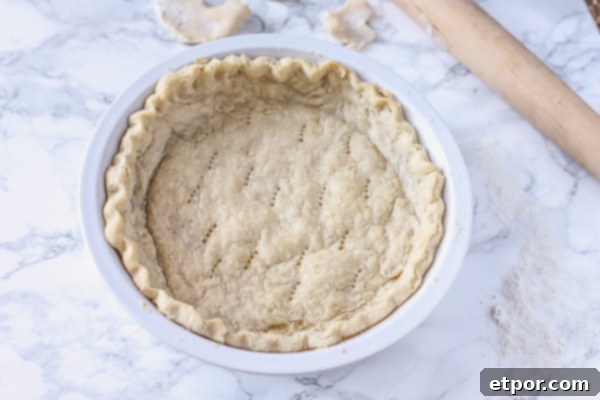
Ah, the age-old question in pie making: to blind bake or not to blind bake? With this particular gluten-free pie crust, the answer is delightfully simple: you don’t *have* to. While some pie perfectionists might be clutching their pearls, I’ve found that this crust tastes equally phenomenal whether you blind bake it or not, so I often skip this step for convenience. Would blind baking with parchment paper and pie weights (or dried beans) result in a slightly prettier, more structurally perfect crust with perfectly upright sides? Yes, absolutely.
The primary purpose of blind baking is to prevent the crust from becoming soggy, especially with very wet fillings, and to maintain its shape, preventing the sides from slumping during baking. The steam generated during cooking can create air pockets and cause the crust to shrink or sag, as you might notice slightly in some of my photos where I bypassed this step. Honestly, I typically have more pressing matters to attend to, or perhaps pie aesthetics just aren’t where my “Type A” tendencies kick in! The decision ultimately rests with you. If you’re a stickler for presentation or have a very moist filling, go ahead and blind bake. Otherwise, feel free to save yourself the extra step. You can read more about blind baking techniques in general here.
Step-by-Step Guide: How to Master This Gluten-Free Pie Crust Recipe
Follow these detailed, step-by-step instructions, complete with visual guidance, to create the most perfect gluten-free pie crust you’ve ever tasted. This comprehensive guide ensures success even for novice bakers.
Essential Tools for Making Perfect Pie Dough:
- **Food Processor:** (Optional, but highly recommended for ease and speed. I love this one for consistent results.)
- **Rolling Pin:** Essential for evenly rolling out your dough.
- **Pie Plate:** (Consider this beautiful option for serving.)
- **Plastic Wrap:** Crucial for chilling and storing your dough.
- **Knife:** For dicing butter and trimming excess dough.
- **Fork:** Useful for piercing the crust and crimping edges.
- **Measuring Cups & Spoons:** For accurate ingredient quantities.
Step 1: Chilling and Dicing Your Butter
Begin by cutting one stick of very cold, unsalted butter into small, ½-inch cubes. Place these butter cubes onto a small plate and transfer them to the freezer for at least 5-10 minutes. This extra chilling step is vital for achieving a truly flaky crust. Similarly, prepare your ice water by placing a small amount of water in a dish and chilling it in the freezer for the same duration to ensure it’s ice-cold.
Step 2: Combining Dry Ingredients and Butter
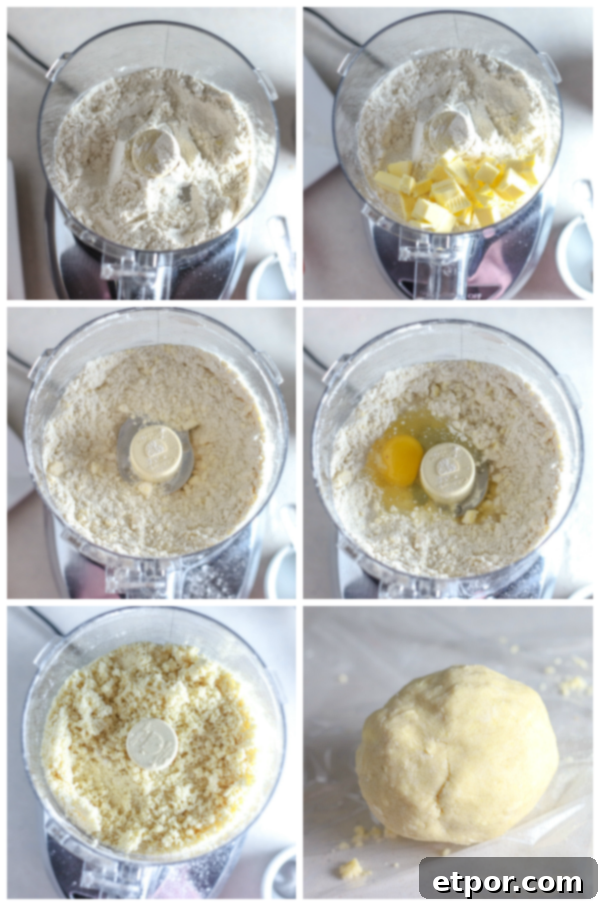
If using a food processor, add your preferred gluten-free one-to-one flour blend (I highly recommend Bob’s Red Mill 1-to-1 Baking Flour for its reliability), along with the salt, into the food processor bowl. If you’re making a sweet pie, now is the time to add 2 tablespoons of sugar. Pulse these dry ingredients a few times to combine. Then, add the chilled butter cubes. Pulse the mixture repeatedly until the butter is broken down into small, pea-sized crumbles, or even smaller. Be careful not to over-process it; you want distinct pieces of butter, not a smooth paste.
Step 3: Incorporating Egg and Ice Water
Next, add the large egg and one tablespoon of your ice-cold water to the food processor. Pulse the mixture a few times, just until the dough begins to come together. Stop and scrape down the sides of the bowl to ensure everything is incorporated. Check the consistency: the dough should stick together and form a ball when you press a small amount between your fingers. If it still appears too crumbly, add another tablespoon of ice water and pulse a few more times. Continue this process, adding water one tablespoon at a time, until the dough reaches the correct consistency. Typically, two tablespoons of water are sufficient, but the exact amount can vary depending on your specific gluten-free flour blend. The key is to add slowly and avoid over-processing, which can lead to a tough crust.
Step 4: Chilling the Dough for Optimal Texture
Carefully transfer the pie dough onto a sheet of plastic wrap or directly onto a clean, lightly floured counter (using gluten-free flour). Gently form the dough into a disc or ball and wrap it tightly in plastic wrap. Place the wrapped dough in the refrigerator for a minimum of 10-30 minutes before you plan to roll it out. This chilling period is crucial as it allows the gluten-free flours to fully hydrate and the butter to firm up again, making the dough much easier to handle and contributing to the desired flaky texture. This dough is also excellent for making ahead; it can be refrigerated for several days or frozen for up to a month. If frozen, thaw it in the refrigerator for at least 5 hours or overnight before use.
Step 5: Rolling Out Your Gluten-Free Pie Dough
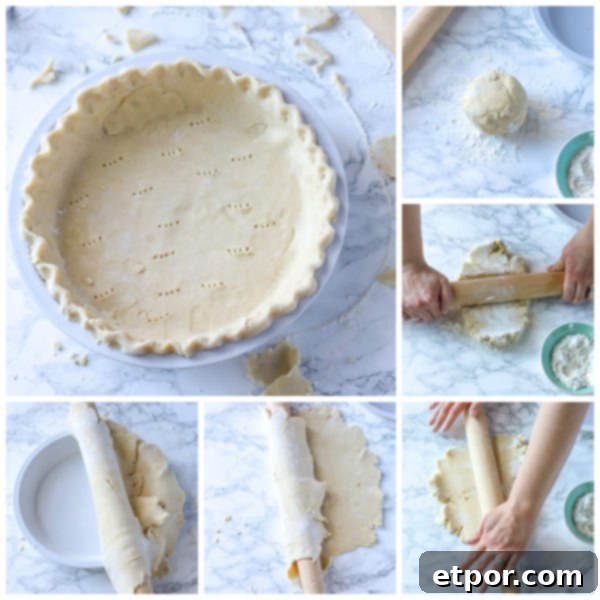
Preheat your oven to 350°F (175°C). Lightly dust a clean counter surface with gluten-free flour. Remove your chilled dough from the refrigerator and begin to roll it out using a rolling pin. The goal is to work the dough as little as possible to maintain its tenderness. I find it easiest to roll the dough in one direction, then rotate it a quarter turn, roll again in the same direction, and continue rotating and rolling until you achieve a roughly circular shape, about 1/8 inch thick. If, at any point, the dough becomes too warm, starts to fall apart, or becomes difficult to roll, simply place it back in the fridge for 10-15 minutes to firm up before resuming.
Step 6: Gently Placing Dough into the Pie Plate
To transfer the rolled-out dough without tearing, gently fold it in half or drape it over your rolling pin. Carefully unfurl it over your pie plate, centering it as best as possible. Gently press the dough into the contours of the pie plate, being careful not to stretch it, as stretching can cause it to shrink during baking. Trim any significant excess dough from the edges using a knife, leaving about a ½-inch overhang. You can then create decorative edges by crimping with your fingers or pressing firmly with a fork around the rim. Finally, use a fork to gently prick holes all over the bottom of the pie dough. This allows steam to escape during baking and prevents large air bubbles from forming.
Step 7: The Art of Pre-Baking Your Gluten-Free Pie Crust
Place your prepared pie crust in the preheated oven and pre-bake for approximately 15 to 20 minutes. The edges should just begin to turn a light golden brown. As mentioned earlier, while you *could* blind bake with parchment paper and pie weights or dried beans for a perfectly even and flat bottom, I often skip this step for simplicity. This gluten-free crust holds its own quite well without the extra effort. The pre-baking step is primarily to ensure the crust is cooked through and crispy, ready to stand up to your delicious fillings.
Step 8: Adding Your Favorite Fillings and Final Bake
Once your gluten-free pie crust is pre-baked, it’s time for the fun part! Fill it generously with your favorite sweet or savory pie filling. Return the filled pie to the oven and bake according to the specific instructions of your chosen pie recipe. Keep an eye on the crust, ensuring it bakes to a beautiful golden brown color, indicating a perfectly cooked, flaky, and buttery foundation for your masterpiece.
Explore More Gluten-Free Dessert Favorites!
If you’re looking to expand your repertoire of delicious gluten-free treats, here are some of our most cherished recipes that are sure to delight:
- Peppermint Fudge Shortbread Cookie Bars: A festive and decadent holiday favorite.
- Spiced Apple Muffins: Perfect for breakfast or a cozy snack, bursting with autumn flavors.
- Pumpkin Banana Bread: A delightful blend of two classic comfort foods.
- Chocolate “Peanut Butter” Crumb Bars: An irresistible combination for chocolate and nut butter lovers.
- Blackberry Protein Cookies: A healthier, yet equally delicious, option for a sweet craving.
The Perfect Gluten-Free Pie Crust: Recipe Card
This easy, no-fuss gluten-free pie crust recipe is a truly simple staple that will impress everyone at your table. Its inherently buttery and flaky texture might just overshadow the filling, becoming the star of your favorite pie recipes. Gluten-free baking doesn’t have to be complicated or intimidating; with this recipe, it’s a joy!
If you try this recipe and absolutely love it, please consider returning to leave a 5-star rating. Your feedback helps other bakers discover and trust this wonderful gluten-free solution.

Gluten-Free Pie Crust Recipe Summary
Print
Pin
Rate
SaveSaved!
Save This Recipe
We’ll get it sent to your inbox! Plus, get new recipes from us every week.
Ingredients
- 1 stick cold butter, diced and chilled in freezer for 5-10 minutes
- 1 cup gluten-free all-purpose flour blend (I recommend Bob’s Red Mill 1-to-1)
- 1 large egg
- 1/2 tsp coarse salt
- 1-3 tbs ice water
- 2 tbs sugar (optional, for sweet pies)
Instructions
-
Cut cold butter into small cubes (about ½-inch) and place in the freezer for 5-10 minutes.
In a food processor, combine the gluten-free flour blend and salt. If making a sweet crust, add the optional 2 tablespoons of sugar here. Pulse briefly to combine.
Add the chilled butter cubes to the food processor and pulse until the mixture resembles coarse meal with pea-sized pieces of butter throughout. Avoid over-processing.
Add the egg and 1 tablespoon of ice water. Pulse a few times until the dough just begins to come together. Scrape down the sides of the bowl. The dough should hold together when squeezed. If it’s too crumbly, add another tablespoon of ice water and pulse again. Continue adding water in small increments if needed, until the desired consistency is achieved (typically 1-3 tablespoons total).
Transfer the dough onto plastic wrap, form it into a disk, wrap tightly, and refrigerate for at least 10-30 minutes (or up to a few days). For longer storage, freeze for up to one month.
Preheat oven to 350°F (175°C). On a lightly floured surface (with GF flour), roll out the chilled dough to approximately 1/8 inch thick. Carefully transfer the rolled dough to your pie pan. Trim excess dough and crimp the edges decoratively with your fingers or a fork. Prick the bottom of the crust all over with a fork.
Pre-bake the crust for 15-20 minutes, until the edges are lightly golden.
Fill the pre-baked gluten-free pie crust with your favorite filling and continue baking according to your pie recipe’s instructions until the filling is set and the crust is golden brown.
Notes
This pie dough is excellent for meal prep! You can easily make it a few days in advance and store it in the refrigerator, or freeze it for several weeks. Just ensure ample thawing time if frozen.
Nutrition
Tried this recipe? Tag me!Mention @ablossominglife or tag #ablossominglife!
Have you ever experienced the joy of making a homemade pie crust before, especially a gluten-free one that tastes this good? Share your thoughts and experiences in the comments below!
This post was originally published and updated in September 2019 to reflect enhanced tips and information.