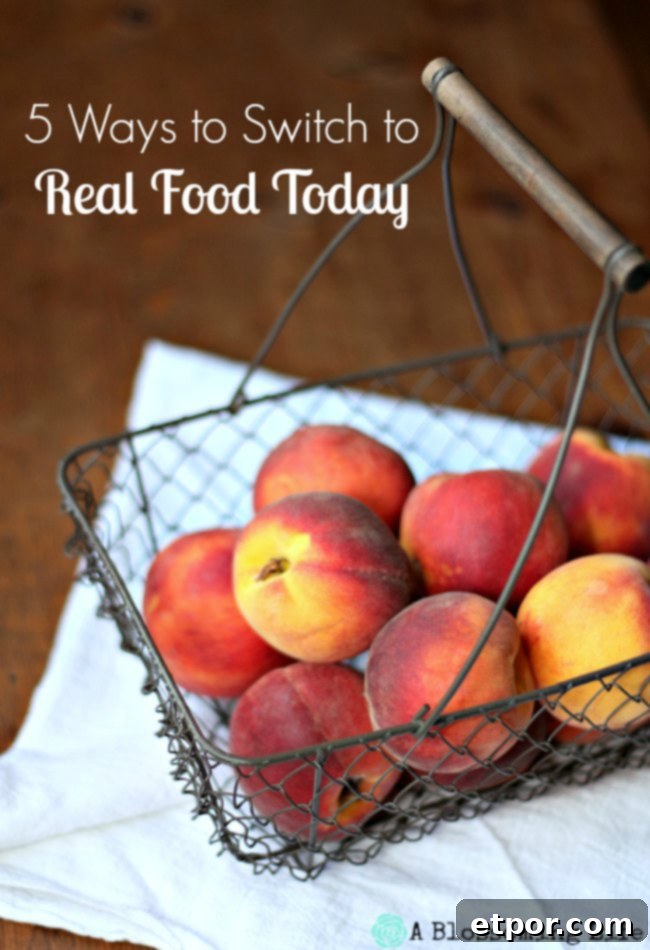
Embrace Real Food: Your Simple 5-Step Guide to Healthier Eating Today
The journey to a healthier lifestyle often begins with a single, profound question: “Where do I even start?” As a registered dietitian, I consistently encounter individuals eager to embrace a “real food” diet but feeling overwhelmed by the sheer volume of conflicting information. Many of us are disconnected from the food we consume, making it challenging to make truly informed choices. My core philosophy is straightforward: the closer food is to its natural state, the better it is for our bodies. This approach isn’t about restrictive diets or complicated rules; it’s about nourishing yourself with ingredients your body recognizes and thrives on.
Switching to real food doesn’t have to be a drastic overhaul. It’s a gradual, empowering process built on simple, sustainable changes. This guide will provide you with five actionable steps you can implement starting today, paving the way for improved energy, better digestion, enhanced mood, and overall well-being. Let’s demystify healthy eating and transform your relationship with food.
Step 1: Document Your Current Eating Habits with a Food Journal
Before you can make effective changes, it’s essential to understand your starting point. For one full week, commit to writing down everything you eat and drink, without making any modifications to your usual routine. This isn’t about judging yourself or counting calories; it’s about developing awareness. Many people are surprised by what they discover when they truly track their intake. You might identify patterns you weren’t aware of, like consuming more processed snacks than you realized, or skipping meals, or relying heavily on convenience foods.
A food journal provides an invaluable snapshot of your dietary landscape. It helps you see exactly what you’re fueling your body with on a daily and weekly basis. Pay attention to not just the type of food, but also portion sizes, the time you eat, and how you feel before and after meals. This awareness is the cornerstone of making informed, simple changes. Once you have this baseline, you can pinpoint specific areas where you can swap out less-than-ideal options for real, whole foods, making your transition much more targeted and successful.
Step 2: Reconsider Your Dairy Choices & Embrace Whole Milk
One of the most persistent myths in modern nutrition is that low-fat or skim milk is inherently healthier than full-fat milk. For years, we were advised to avoid fat, leading to the proliferation of highly processed, low-fat products that often compensated for flavor with added sugars and artificial ingredients. However, contemporary research and a growing understanding of nutrition are overturning these outdated recommendations. It’s time to stop drinking skim milk and embrace the nutritional richness of whole milk.
Whole milk, particularly from organic, grass-fed sources, offers a wealth of fat-soluble vitamins like A, D, E, and K2, which are crucial for bone health, immune function, and cardiovascular wellness. These essential vitamins are naturally found in the fat component of milk, meaning they are either removed or significantly reduced in skim varieties. Furthermore, the fat in whole milk contributes to satiety, helping you feel fuller for longer and potentially reducing overall calorie intake from snacking. Studies have even suggested that individuals who consume full-fat dairy may have a lower risk of obesity and type 2 diabetes compared to those who opt for low-fat versions. 1, 2
The optimal choice, if available and sourced from a reputable, sanitary farm, is raw milk. Raw milk retains all its enzymes, beneficial bacteria, and nutrients that are often destroyed during pasteurization. However, for many, raw milk isn’t a feasible or accessible option. In such cases, organic whole milk is an excellent alternative. Organic dairy cows are typically raised without synthetic hormones, antibiotics, or GMO feed, and often have greater access to pastures, resulting in milk with a superior nutrient profile, including higher levels of beneficial omega-3 fatty acids.
Discover How to Make Homemade Raw Milk Yogurt
Step 3: Prioritize Healthy Fats & Banish Harmful Oils
It’s time to fundamentally shift our perception of dietary fat. For decades, fat was demonized as the primary culprit for weight gain and heart disease, leading to a “low-fat” craze that ironically contributed to many modern health epidemics. As a dietitian, I can attest to how deeply ingrained this flawed idea was, even in professional training. However, robust scientific evidence now confirms that healthy fats are not only beneficial but absolutely essential for optimal bodily function. They play critical roles in hormone production, nutrient absorption, brain health, cell membrane integrity, and long-term satiety. 4
Therefore, make it a priority to incorporate healthy fats into your diet while actively avoiding harmful ones. Embrace butter, especially grass-fed butter which is richer in conjugated linoleic acid (CLA) and Omega-3s. Other excellent sources include coconut oil, celebrated for its medium-chain triglycerides (MCTs) that provide quick energy and support metabolism. Include fatty fish like salmon, mackerel, and sardines, which are abundant in anti-inflammatory omega-3 fatty acids. High-quality extra virgin olive oil, used cold in dressings or for light sautéing, is another Mediterranean diet staple packed with antioxidants.
Conversely, it’s crucial to eliminate processed and industrialized fats from your diet. Stay away from margarine, which is often laden with trans fats – artificial fats proven to increase bad cholesterol and inflammation, significantly raising the risk of heart disease. Also, avoid industrial seed oils such as canola oil, soybean oil, corn oil, sunflower oil, and safflower oil. These oils are typically highly refined, chemically processed, and prone to oxidation, generating harmful free radicals in the body. They also contribute to an unhealthy imbalance of omega-6 to omega-3 fatty acids, promoting systemic inflammation. Learning about these distinctions, particularly after reading transformative books like “Real Food by Nina Planck”, drastically changed my professional and personal perspective. Remember, while healthy fats are vital, moderation and quality are key.
Step 4: Boost Your Nutrient Intake with More Fruits & Vegetables
Perhaps the most universally accepted cornerstone of a healthy diet is the abundant consumption of fruits and vegetables. These natural powerhouses are packed with vitamins, minerals, fiber, antioxidants, and countless phytonutrients that are essential for disease prevention, optimal digestion, sustained energy, and vibrant health. If your food journal revealed a deficit in produce, this step is your immediate priority.
The goal is to intentionally add more fruits and/or vegetables to every single meal, not just as an afterthought, but as a central component. Here are some practical ways to “sneak in” more produce:
- Breakfast: If you enjoy eggs, chop up some spinach, bell peppers, or mushrooms and scramble them in. Top your oatmeal or whole-grain toast with fresh berries, sliced bananas, or apples. Blend a handful of greens (like spinach or kale) into your morning smoothie without significantly altering the taste.
- Lunch: Build a vibrant salad as your main course, or add a generous side salad to your sandwich or wrap. Incorporate shredded carrots, cucumbers, or bell peppers into your sandwiches. Add extra vegetables to soups, stews, or pasta dishes.
- Dinner: Make roasted vegetables a staple side dish – broccoli, cauliflower, Brussels sprouts, sweet potatoes, and carrots are delicious and easy. Include a colorful side salad. Stir-fry a medley of vegetables with your protein.
- Snacks: Opt for an apple with nut butter, a banana, a handful of berries, or a serving of raw veggie sticks (carrots, celery, bell peppers) with hummus or guacamole.
A game-changing tip for busy schedules: buy frozen fruits and vegetables! They are picked at peak ripeness and flash-frozen, locking in their nutritional value. They are often more cost-effective than fresh produce, stay good for much longer, and come pre-chopped, saving you valuable prep time. Keep your freezer stocked with frozen berries for smoothies, and mixed vegetables for quick additions to stir-fries, soups, or side dishes.
Try This Delicious Blueberry Chia Green Smoothie Recipe
Step 5: Master Meal Preparation for Weekly Success
One of the biggest hurdles to eating real food is the perception that it’s too time-consuming, especially with a busy schedule. This is where strategic meal preparation comes into play. By dedicating just 1-2 hours on one day of the week, you can significantly streamline your healthy eating efforts and ensure that nutritious options are always readily available, reducing the temptation to grab less healthy convenience foods.
Meal prepping is not about cooking every single meal in advance for the entire week, though you certainly can. It’s more about preparing key components and ingredients that can be easily assembled into various meals throughout the week. Here’s how you can make your meal prep time efficient and impactful:
- Batch Cook Grains: Cook a large batch of brown rice, quinoa, or farro. These can serve as the base for grain bowls, side dishes, or additions to salads and soups.
- Chop Vegetables: Wash, chop, and store vegetables like bell peppers, onions, carrots, celery, and broccoli florets. These are then ready to be tossed into stir-fries, omelets, salads, or roasted as a quick side.
- Cook a Whole Chicken: Roasting a whole chicken or cooking it in a slow cooker with some simple seasonings yields versatile protein for multiple meals. Shredded chicken can be used in tacos, salads, sandwiches, soups, or even as a pizza topping.
- Prepare Healthy Proteins: Cook a batch of hard-boiled eggs for quick snacks or breakfast additions. Grill or bake chicken breasts, fish fillets, or prepare lean ground meat to have on hand.
- Make Healthy Dressings and Sauces: Whipping up a homemade vinaigrette or a simple pesto can elevate your meals and help you avoid store-bought versions often loaded with unhealthy oils and sugars.
Looking at your schedule and carving out those 1-2 hours is an investment in your health. Think of it as an appointment you wouldn’t miss. Real food doesn’t have to be difficult or gourmet; it just requires a little planning and foresight. This proactive approach will save you time, money, and most importantly, ensure you consistently nourish your body with wholesome ingredients.
Start Your Real Food Journey Today
Transitioning to a real food diet is a powerful step towards taking control of your health and well-being. By implementing these five simple strategies—understanding your current habits, embracing whole dairy and healthy fats, prioritizing fruits and vegetables, and dedicating time to meal prep—you’ll be well on your way to a more vibrant and energetic life. Remember, small, consistent changes are far more effective and sustainable than drastic, short-lived overhauls. Start today, one step at a time, and observe the incredible positive impact real food can have.
I encourage you to begin with just one or two of these tips and gradually build from there. What simple changes have you already made on your journey to eat better and embrace real food? Share your experiences!
Make sure to check back next week, as I’ll be sharing 5 more valuable tips to further assist you in your switch to a real food lifestyle.
Read More: 13 Ways to Save Money on Real and Organic Food