How to Freeze Tomatoes: An Effortless Guide to Preserving Your Garden’s Bounty Without Canning
Table of Contents
Toggle
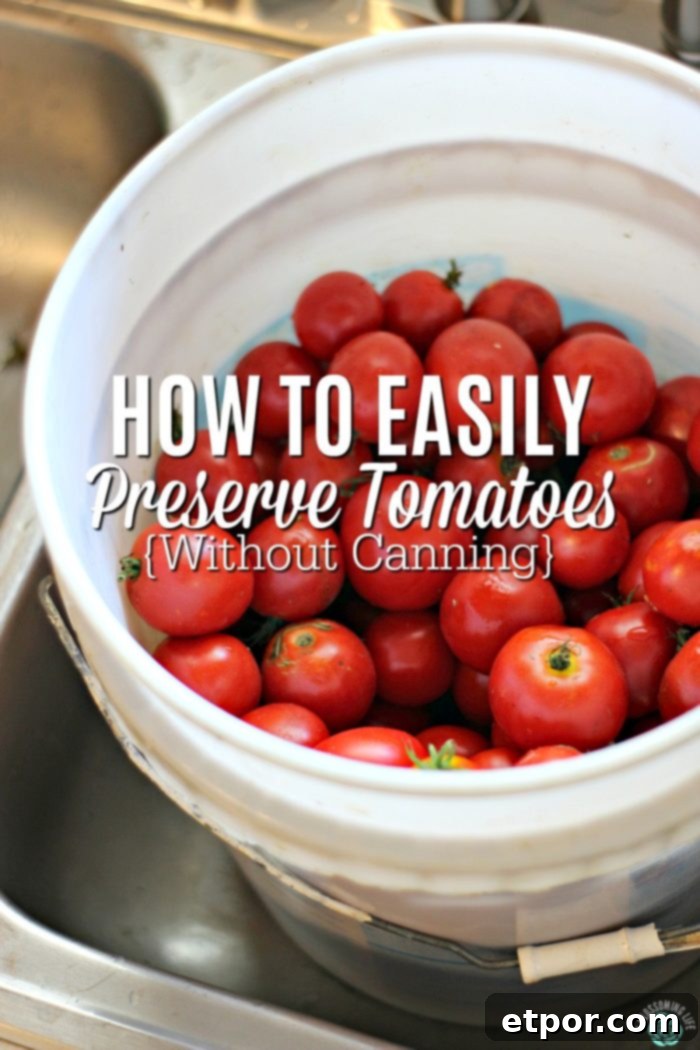
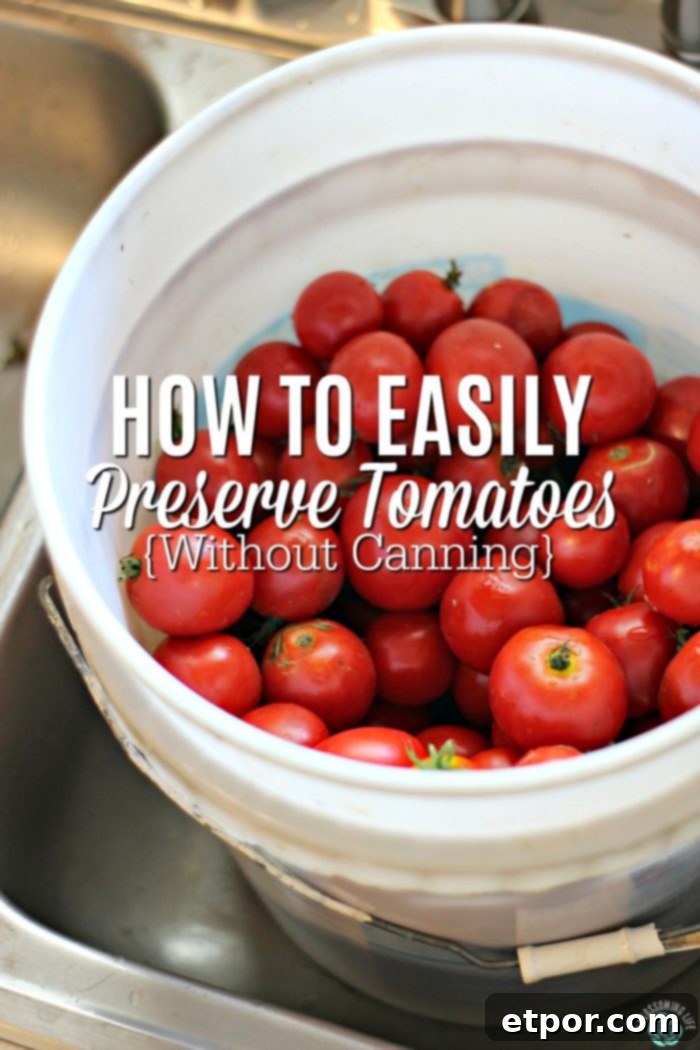
As the vibrant hues of summer fade, your garden may still be overflowing with a glorious abundance of ripe, juicy tomatoes. While the thought of eating another fresh tomato might make you groan, imagine savoring that fresh-from-the-garden flavor in the dead of winter! Learning how to freeze tomatoes is an incredibly simple and rewarding way to capture summer’s essence, ensuring you can enjoy your delicious harvest all year long. Forget complicated canning processes; this easy guide will walk you through preserving tomatoes without the fuss, allowing you to transform your surplus into ready-to-use ingredients for countless comforting meals.
This post was updated June 2019
Why Freeze Tomatoes?
The Joy of a Bountiful Harvest
There’s nothing quite like the satisfaction of growing your own food, and tomatoes are often a highlight of any home garden. However, their prolific nature can sometimes lead to a dilemma: what do you do with so many tomatoes ripening at once? Eating them fresh is wonderful, but there’s a limit to how many salads and sandwiches one can consume before the novelty wears off. This is where preserving your harvest becomes essential. Freezing tomatoes allows you to extend the season indefinitely, ensuring that none of your hard work goes to waste.
Consider the chilly months ahead – mid-fall and the depths of winter. These are the times when a rich, homemade tomato soup, a bubbling pasta sauce, or a fresh pizza base can bring immense comfort. By freezing your garden tomatoes now, you’re investing in future meals, guaranteeing a taste of summer sunshine when the days are short and cold. It’s an act of culinary foresight that pays dividends in flavor and convenience.
Freezing vs. Canning: Simplicity and Speed
Many traditional methods of tomato preservation, like canning, can be intimidating. They often involve elaborate setups, precise temperatures, and a significant time commitment, including the sometimes arduous task of peeling tomato skins. If you’re not keen on learning new, time-consuming kitchen techniques at the end of a busy gardening season, freezing is your perfect alternative.
Freezing offers an unparalleled ease that canning simply cannot match. There’s no need for special jars, pressure canners, or the meticulous sterilization process. You won’t be spending hours blanching and peeling. Instead, with just a few basic tools and about an hour of your time, you can secure your tomato supply for months to come. It’s a pragmatic approach for anyone looking to preserve their produce efficiently and without added stress. Think of it as a smart shortcut to delicious, home-preserved goodness – you’re essentially “cheating” the system in the best possible way!
Essential Tools for Freezing Tomatoes
One of the beauties of freezing tomatoes is that you don’t need a huge array of specialized equipment. Most of what you need you likely already have in your kitchen. Here’s a list of the key tools that will make your tomato-freezing process smooth and efficient:
- Freezer Bags: High-quality, gallon-sized freezer bags are crucial. They are thicker than regular storage bags and are designed to withstand freezing temperatures, helping to prevent freezer burn and maintain the quality of your tomatoes. Look for ones specifically labeled “freezer” for best results.
- Food Processor or Blender: (Optional, but highly recommended for crushed tomatoes) If you plan to freeze your tomatoes in a crushed or pureed form, a powerful food processor or blender will be your best friend. It significantly speeds up the process of breaking down the tomatoes into your desired consistency.
- Permanent Marker: An absolute must for labeling your freezer bags. Clearly mark the date and contents (e.g., “Crushed Tomatoes with Basil – Sept 2023”). This ensures you know what you’re grabbing and helps you use older batches first.
- Large Bowl or Colander: For washing your tomatoes thoroughly.
- Cutting Board and Knife: For trimming stems and any blemishes.
- Measuring Cups: To help you portion your crushed tomatoes evenly into bags.
- Cookie Sheet or Baking Pan: (Optional) Useful for freezing whole tomatoes in a single layer before transferring to bags, preventing them from sticking together.
The following are affiliate links. We are a participant in the Amazon Services LLC Associates Program, an affiliate advertising program designed to provide a means for us to earn fees by linking to Amazon.com and affiliated sites.
- Freezer bags (like these)
- Food processor (optional based on how you decide to prepare the tomatoes)
- Permanent marker- to label bags
How to Freeze Tomatoes: The Simple Crushed Method
This method is by far the easiest and most popular for preserving a large batch of tomatoes with minimal effort. It’s perfect for tomatoes destined for sauces, soups, and stews where a chunky texture is welcome.
Step 1: Prepare Your Tomatoes
Start by giving your tomatoes a thorough wash under cool, running water. As you wash them, inspect each one. Remove any stems, leaves, and cut out any bruised or soft spots. While freezing is forgiving, starting with good quality produce ensures the best flavor and longevity. There’s no need to peel or core them for this method, which saves a tremendous amount of time and effort.

Step 2: Blend with Flavorful Additions
Once cleaned, roughly chop your tomatoes into pieces small enough to fit comfortably into your food processor or blender. Toss the first batch into the appliance. This is where you can add a touch of extra flavor! A pinch of salt is often recommended to enhance the taste and can also help with preservation. Fresh herbs, especially basil, pair beautifully with tomatoes and can be added directly to the processor. I often use a generous handful of fresh basil leaves. However, a word of caution: some people find that garlic can become bitter when frozen for extended periods, so you might want to add garlic fresh when you cook with the thawed tomatoes instead.

Step 3: Achieve the Perfect Consistency
Now, engage your food processor or blender! Pulse and blend the tomatoes until they reach your desired consistency. For most cooking applications, a chunky salsa-like texture works wonderfully. You want to break down any really large pieces, but it doesn’t need to be a completely smooth puree unless that’s your preference. The beauty of this method is its flexibility – you can tailor the texture to suit your culinary needs. Repeat this process until all your cleaned tomatoes have been processed.

Step 4: Portion, Label, and Freeze
This step is critical for convenience later on. Portion your crushed tomatoes into gallon-sized freezer bags. It’s helpful to measure out consistent amounts, such as 6 cups per bag, so you know exactly how much you’re working with when you retrieve them from the freezer. Before sealing, try to remove as much air as possible from the bags to prevent freezer burn; pressing them flat and then sealing while pressing out air is a good technique. Flat bags also stack better, saving precious freezer space.
Once sealed, grab your permanent marker and label each bag clearly with the contents and the date. Labeling first, then filling and sealing, often proves easier. Lay the filled and sealed bags flat in your freezer. This method creates flat blocks of frozen tomatoes that can be easily stacked and stored, maximizing your freezer capacity. The reward for your efforts will be a freezer full of ready-to-use crushed tomatoes, brimming with summer flavor!

Other Easy Ways to Freeze Tomatoes
While the crushed method is fantastic for versatility, there are other straightforward ways to freeze tomatoes depending on your intended use. These methods offer different textures and convenience levels.
Freeze Whole Tomatoes
This is arguably the simplest method of all. No chopping, no blending, no peeling beforehand! Simply wash your fresh tomatoes thoroughly and allow them to air dry completely. Once dry, place them in a single layer on a baking sheet and pre-freeze for a few hours until solid. This prevents them from sticking together. Then, transfer the frozen whole tomatoes into freezer bags, removing as much air as possible, and store them in the freezer. When you’re ready to use them, the skins will slip right off under warm water, making peeling incredibly easy. Whole frozen tomatoes are excellent for adding to slow-cooked dishes or roasting.
Blanching and Freezing for Smoother Texture
Although blanching isn’t strictly necessary for freezing tomatoes (thanks to their natural acidity), some people prefer it, especially if they desire a smoother consistency for their sauces or want to easily remove the skins. To blanch, simply drop whole, washed tomatoes into boiling water for 60-90 seconds. Use a slotted spoon to quickly transfer them to an ice water bath to stop the cooking process. Once cooled, the skins will easily peel off. You can then remove the stem and core, slice them if desired, or leave them whole. Pack them into freezer bags, removing air, and label before freezing.
Freezing Diced or Sliced Tomatoes
If you have specific recipes in mind that call for diced or sliced tomatoes, you can prepare them that way before freezing. After washing and (optionally) blanching and peeling, simply dice or slice your tomatoes to your preferred size. Spread the pieces in a single layer on a parchment-lined baking sheet and freeze until solid. Once frozen, transfer the individual pieces into freezer bags. This “flash freezing” step prevents them from clumping together, allowing you to easily grab just the amount you need for a recipe without having to thaw an entire block.
How to Use Your Frozen Tomatoes
Once you’ve got a freezer full of preserved tomatoes, the culinary possibilities are endless! Frozen tomatoes are incredibly versatile and can be incorporated into a wide variety of dishes, bringing that fresh summer flavor to your table any time of year.
Thawing Your Frozen Tomatoes
The beauty of frozen tomatoes is that they often don’t require full thawing before use, especially if they’re going into a cooked dish.
- For Crushed or Pureed Tomatoes: You can simply set the frozen bag on the counter for a while to let it soften slightly, or run the bag under cool water to help the contents slip out. For soups and stews, you can often add the frozen block directly to the pot; it will thaw and break down as it cooks.
- For Whole Frozen Tomatoes: If you need to peel them, run them under warm water for a moment, and the skin should easily loosen and peel right off. They will become soft as they thaw, which is perfect for simmering into sauces.
- For Diced or Sliced Tomatoes: These can usually be added directly to hot pans or pots for cooking, similar to how you would use canned diced tomatoes.
Culinary Applications for Frozen Tomatoes
Frozen tomatoes are best used in cooked dishes, as their texture changes significantly upon freezing and thawing, making them less suitable for fresh salads or sandwiches. However, they shine in recipes where they are simmered, roasted, or blended.
- Soups and Stews: From hearty chili mac to classic minestrone, frozen crushed tomatoes form a flavorful base. They’re perfect for adding depth to beef stews or vegetable soups.
- Pasta Sauces: Say goodbye to bland store-bought sauces! Thaw your crushed tomatoes and simmer them with garlic, onions, and more fresh herbs for an authentic, rich pasta sauce.
- Pizza Sauce: A smooth or chunky frozen tomato puree makes for an incredible homemade pizza sauce. Just a few simple seasonings, and you’re ready for pizza night.
- Chili: Whether it’s vegetarian chili or a robust meat-based one, frozen tomatoes add essential body and flavor.
- Casseroles: Layer them into lasagna, baked ziti, or any other casserole that benefits from a vibrant tomato base.
- Curries and Mediterranean Dishes: Frozen tomatoes are a fantastic addition to various ethnic cuisines, providing a tangy and rich element.
- Roasting: Whole or sliced frozen tomatoes can be roasted with other vegetables and herbs for a delicious side dish or a base for a rustic sauce.
I’ve already happily used two bags of my frozen crushed tomatoes for chili mac and spaghetti, and there are still hundreds of ounces left in my deep freezer. This easy preservation method truly makes cooking enjoyable and convenient!
Frequently Asked Questions About Freezing Tomatoes
How long can you keep fresh tomatoes in the freezer?
For optimal quality, frozen tomatoes are best used within 3 to 6 months. While they will remain safe to eat for several months beyond that, their quality, flavor, and texture may start to degrade. To prevent freezer burn and maintain the best possible quality, always use airtight freezer bags or containers, and remove as much air as possible before sealing. Proper labeling with the date will help you keep track of your inventory and ensure you use them within their prime.
Can you freeze tomatoes without blanching them first?
Yes, absolutely! Unlike many other vegetables, tomatoes can be frozen without blanching first. This is primarily due to their high acidity, which helps to preserve their quality in the freezer. This is one of the key reasons why freezing tomatoes is such a simple, low-effort preservation method. However, it’s important to remember that the texture of unblanched, frozen, and then thawed tomatoes will be softer than fresh. This makes them ideal for cooked dishes like sauces, soups, and stews, where the texture changes are either unnoticeable or even desirable, but less suitable for raw consumption.
Do frozen tomatoes taste different?
When properly frozen and used in cooked dishes, the flavor of frozen tomatoes is remarkably similar to fresh, especially when incorporated into recipes where they are simmered or pureed. You’ll still get that lovely, vibrant tomato essence. The main difference you’ll notice is in the texture. Upon thawing, frozen tomatoes become much softer and somewhat mushy due to the ice crystals breaking down their cell walls. This change in texture is why they are best suited for cooking rather than serving raw, but it doesn’t detract from their delicious flavor when prepared correctly.
Can I freeze green tomatoes?
Yes, you can freeze green tomatoes! The process is similar to freezing ripe tomatoes. Wash them, remove stems, and then you can freeze them whole, sliced, or diced. Keep in mind that green tomatoes are firmer and more acidic than ripe ones, and their flavor profile is different. They won’t ripen significantly after freezing. They are excellent for making sauces, relishes, fried green tomatoes (thaw first and then bread), or adding a tart component to stews. Just like ripe tomatoes, their texture will soften upon thawing, so plan to use them in cooked applications.
More Preserving Tips and Tricks
If you’ve enjoyed the ease of freezing tomatoes, you might be interested in exploring other simple ways to preserve your garden’s bounty or prepare delicious homemade staples. Preserving food at home is a fantastic way to enjoy seasonal produce all year round and reduce food waste.
- How to freeze kale: Another leafy green that freezes beautifully, perfect for smoothies or sautéing.
- Homemade refrigerator dill pickles – seriously the best: Crisp, tangy, and incredibly easy to make without the need for traditional canning.
- How to freeze blueberries: Keep these antioxidant powerhouses on hand for muffins, smoothies, and desserts.
While there are indeed dozens of ways to preserve tomatoes, from elaborate canning to sun-drying, this simple freezing method remains my absolute favorite. It’s a quick, easy, and stress-free way to check that overflowing bucket of garden tomatoes off my to-do list, ensuring I have a taste of summer waiting for me whenever I need it. Happy freezing, and enjoy your delicious, homemade tomato bounty!