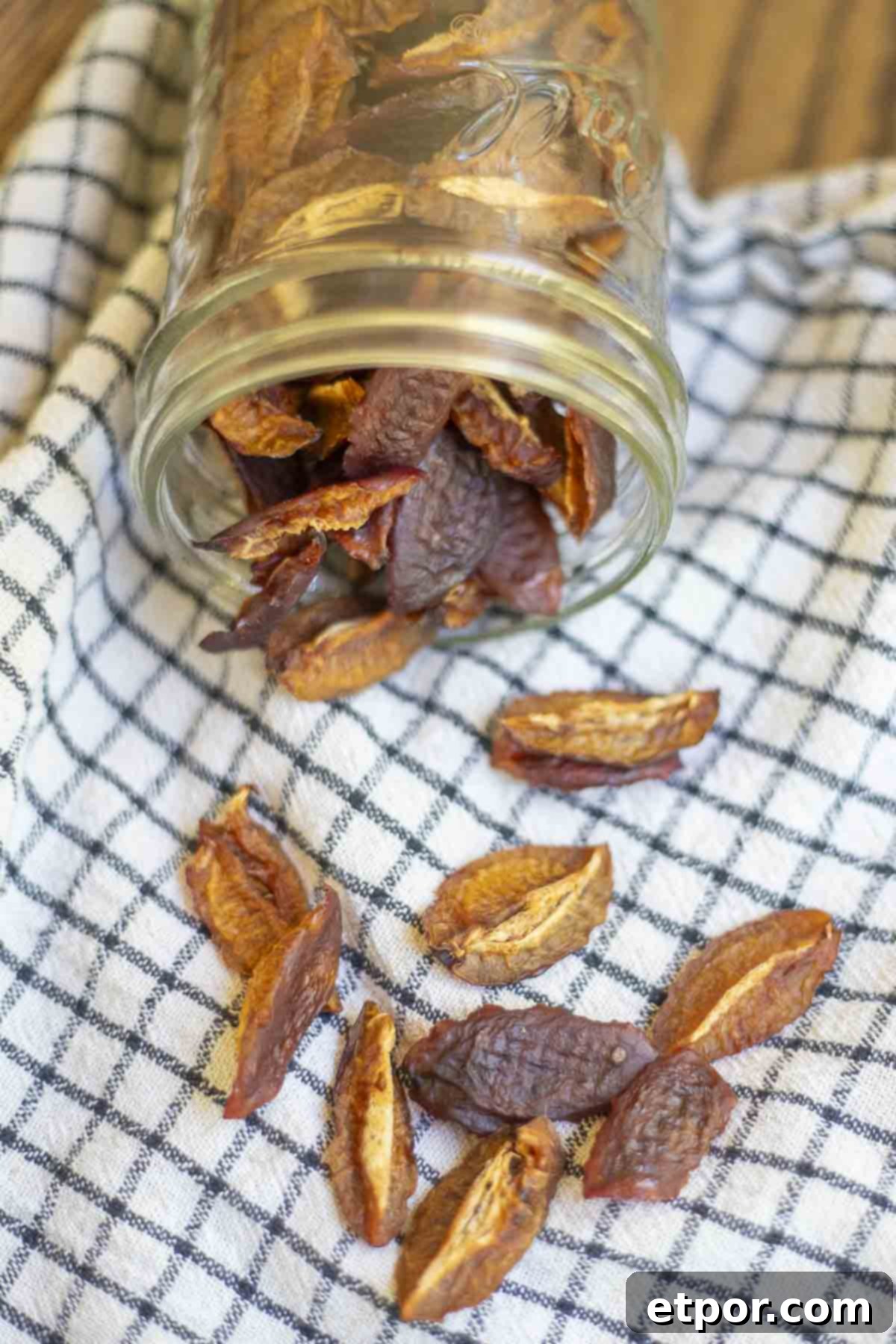
How to Dehydrate Plums: Your Comprehensive Guide to Homemade Dried Plums and Prunes
Discover the simple yet rewarding process of drying plums at home to create a healthy, delicious, and shelf-stable snack. Homemade dehydrated plums offer a wonderfully sweet and subtly tart flavor that far surpasses most store-bought alternatives, providing a natural treat packed with nutrients. This guide will walk you through everything you need to know, from selecting the best plums to ideal storage methods, ensuring you can enjoy this versatile fruit all year long.
Table of Contents
Toggle
Why You Will Love Homemade Dried Plums
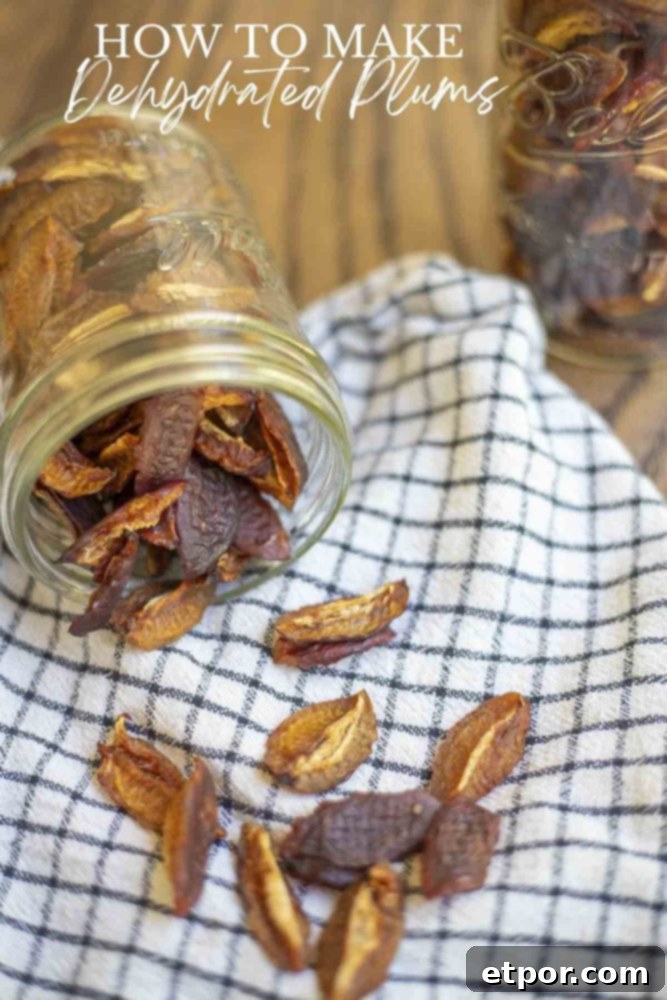
Making your own dried plums, also commonly known as prunes, is a fantastic way to enjoy this sweet and tangy fruit beyond its peak season. Here’s why you’ll adore this simple preservation method:
Delicious & Unique Flavor: Unlike the often overly sweet or heavily processed store-bought versions, homemade dried plums retain a vibrant, natural sweetness balanced with a pleasant tartness. The drying process intensifies their rich plum flavor, creating a chewy, delightful snack that’s incredibly satisfying. They are perfect for solo snacking, or as a delightful addition to many recipes, both sweet and savory.
Convenient & Long-Lasting: Fresh plums have a limited shelf life, quickly spoiling if not consumed. Drying transforms them into a highly convenient, shelf-stable ingredient that can last for months, even up to a year, without refrigeration when stored correctly. This means you can stock up on plums when they are in season and enjoy their goodness anytime, making them a pantry staple for healthy eating on the go.
Incredibly Versatile: Dried plums are culinary chameleons! While they make a fantastic snack on their own, their unique flavor profile allows them to shine in a wide array of dishes. Add them to your morning oatmeal or yogurt, mix them into homemade granola bars or trail mix, bake them into muffins, cakes, or scones, or even use them to add a sweet and complex note to savory dishes like stews, roasts, or salads. The possibilities are truly endless, inviting you to experiment with their rich taste.
Healthy Snack Packed with Benefits: Dried plums are a powerhouse of nutrition. They are an excellent source of dietary fiber, which is crucial for digestive health and helps promote satiety, keeping you feeling fuller for longer. Beyond fiber, they are rich in antioxidants, essential vitamins (like Vitamin K and A), and minerals (such as potassium and iron). Incorporating them into your diet offers a natural boost to your overall well-being, making them a smart choice for a guilt-free snack.
Excellent Way to Preserve the Harvest: If you have an abundance of fresh plums from your garden, a farmer’s market, or a generous friend, drying them is one of the most effective and rewarding ways to prevent food waste. It’s a sustainable practice that not only reduces your grocery bill but also allows you to enjoy the fruits of your labor long after the harvest season has passed. This method preserves the natural goodness of the plums without the need for added sugars or preservatives.
Choosing the Best Plums for Drying
The quality of your dried plums begins with the fresh fruit you select. While most plum varieties can be dried, some are better suited for the process due to their sugar content, texture, and ease of pitting.
- Ripeness is Key: Choose plums that are ripe but still firm to the touch. They should have a rich color and a fragrant aroma. Overripe plums can become mushy during preparation and might not dry evenly, while underripe plums will lack sweetness and flavor.
- Freestone Varieties Preferred: Whenever possible, opt for freestone plums (where the pit easily separates from the flesh). Varieties like Italian Prune Plums (often specifically called “prune plums”), Damson plums, or certain types of Santa Rosa or Elephant Heart plums are excellent choices. These are typically smaller, denser, and have less water content, making them ideal for drying and easier to pit.
- Avoid Bruises and Blemishes: Inspect your plums for any signs of spoilage, bruises, or mold. Even small blemishes can worsen during drying and affect the quality and safety of the entire batch.
- Wash Thoroughly: Before pitting or slicing, wash your plums thoroughly under cool running water to remove any dirt, dust, or residues. Pat them dry with a clean cloth or paper towel.
Essential Tips for Dehydrating Plums
Achieving perfectly dried plums requires a little attention to detail. Follow these tips for the best results:
- Consistent Slicing: Uniform slices are crucial for even drying. Aim for pieces that are approximately ¼ to ½ inch thick. This consistency ensures that all plums dry at roughly the same rate, preventing some pieces from being too chewy while others are brittle.
- Pre-treatment (Optional but Recommended for Color): While not strictly necessary for taste or preservation, pre-treating plums can help maintain their vibrant color and prevent excessive browning. A simple method is to dip the plum slices in a solution of lemon juice and water (about 1 part lemon juice to 3 parts water) for 5-10 minutes. Pat them dry before arranging on trays. For darker plums, many home dehydrators skip this step as the browning is less noticeable.
- Proper Tray Arrangement: Arrange plum slices in a single layer on your dehydrator trays or baking sheets. Ensure there is adequate space between each piece to allow for proper air circulation. Overlapping slices will trap moisture and significantly extend drying time, leading to uneven results.
- Monitor Drying Progress: The drying time for plums can vary significantly based on factors like plum variety, slice thickness, dehydrator model, and ambient humidity. It typically ranges from 8 to 24 hours in a dehydrator and 3 to 8 hours in an oven. Begin checking your plums after the initial recommended time and continue checking every few hours.
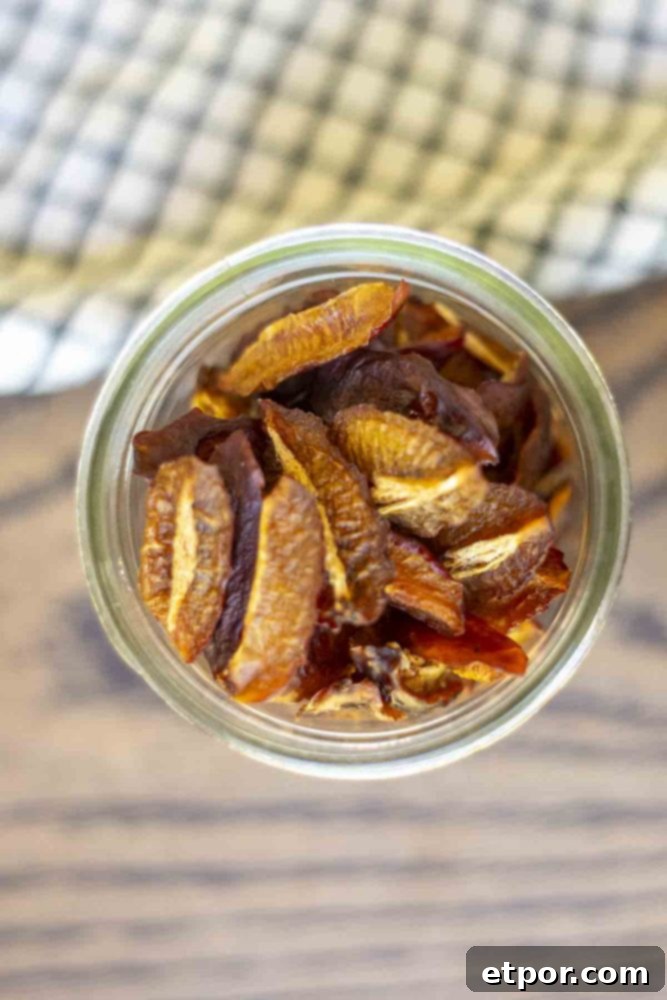
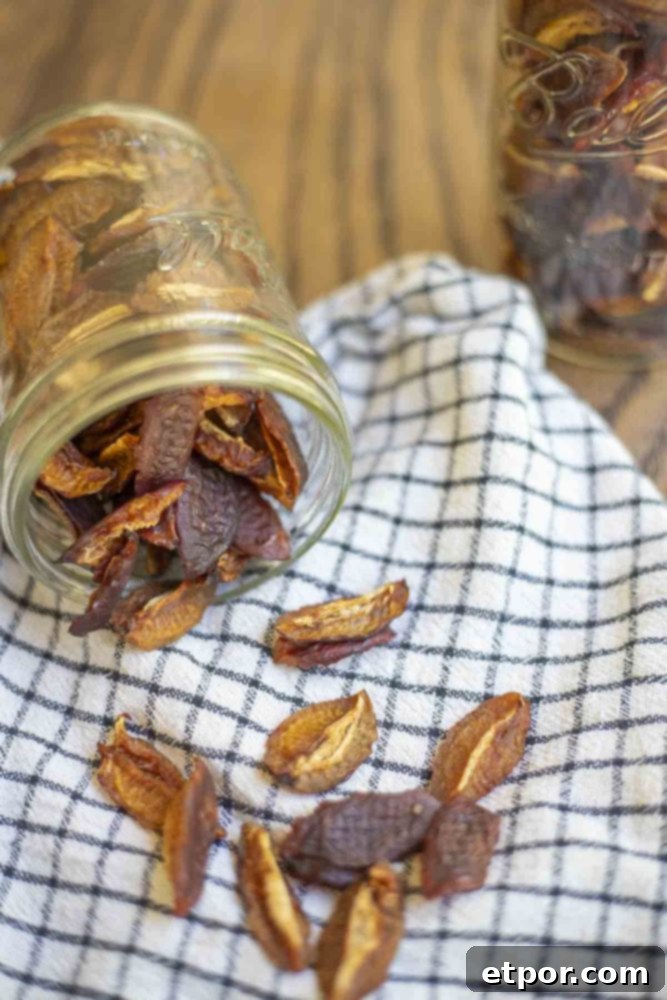
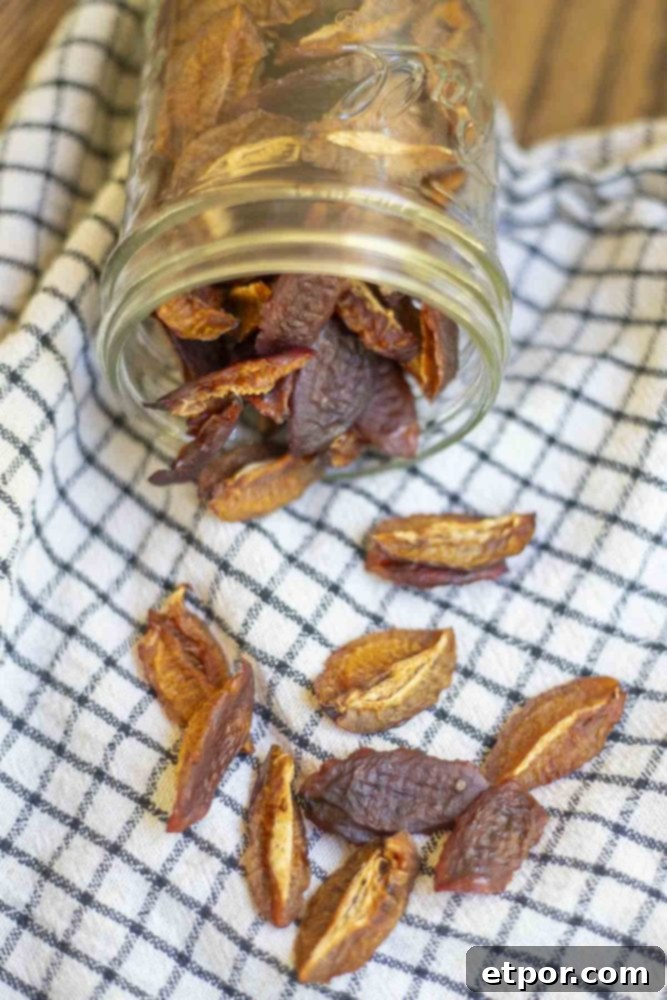
- Test for Dryness: To determine if your plums are fully dehydrated, remove a slice from the dehydrator or oven and let it cool to room temperature for a few minutes. A perfectly dried plum should be leathery and pliable, not brittle, with no visible moisture or stickiness when squeezed. It should feel like a prune – flexible but firm, without any soft spots.
- Conditioning is Crucial: After drying, allow the plums to cool completely. Then, transfer them to an airtight container (like a mason jar) and “condition” them for about a week. This involves shaking the container daily to redistribute moisture. If you notice any condensation, return the plums to the dehydrator for further drying. Conditioning helps equalize any residual moisture, preventing mold growth and ensuring uniform dryness.
Tools You May Need for Drying Plums
Having the right equipment can make the plum drying process much easier and more efficient:
Food Dehydrator: Investing in a reliable food dehydrator is highly recommended for consistent and energy-efficient drying. Look for a model with adjustable temperature settings, as this allows you to fine-tune the drying process for different fruits and thicknesses. Many dehydrators also come with multiple trays, enabling you to process larger batches at once.
Sharp Knife: A good quality, sharp chef’s knife or paring knife is essential for cleanly slicing plums and removing pits. A sharp blade ensures precise cuts, which contributes to even drying.
Cutting Board: A sturdy and stable cutting board provides a safe surface for preparing your plums. Choose one that is easy to clean and won’t absorb flavors or odors from the fruit.
Pitter (Optional but Helpful): A cherry pitter or a specialized plum pitter can significantly speed up the pit removal process, especially if you’re working with a large quantity of plums. It makes the task less messy and more efficient.
Parchment Paper or Dehydrator Sheets: If your dehydrator trays have large openings, or if you’re drying in the oven, lining them with parchment paper or non-stick dehydrator sheets (like silicone mesh sheets) will prevent the plum slices from sticking and make cleanup much easier. This is particularly important for fruits that can become sticky as they dry.
Airtight Containers: For proper storage of your dried plums, airtight containers are indispensable. Mason jars with tight-fitting lids, food-grade plastic containers, or Mylar bags are excellent choices to protect your dried fruit from moisture and air, preserving their flavor and extending their shelf life.
Wire Cooling Racks (for oven drying): If using an oven, placing plums on wire racks set over baking sheets allows for better air circulation around the fruit, promoting more even drying compared to directly on a solid baking sheet.
How to Dry Plums: Step-by-Step (Using a Dehydrator)
Using a food dehydrator is the most efficient and recommended method for drying plums, offering precise temperature control and consistent results.
- Prepare the Plums:
- Rinse the fresh plums thoroughly under cool running water to remove any dirt, debris, or residues from the skin.
- Pat the plums dry with a clean towel or paper towels.
- Carefully slice each plum in half lengthwise and remove the pit. For larger plums, you may slice them into quarters or even thinner pieces (about ¼ to ½ inch thick) to ensure faster and more uniform drying. Consistent thickness is key for even dehydration.
- Pre-treatment (Optional):
- To help preserve the vibrant color of your plums and minimize browning, you can optionally pre-treat them. Dip the plum slices in a solution of 1 part lemon juice to 3 parts water for 5-10 minutes. This acid wash helps prevent oxidation.
- After dipping, pat the slices dry with paper towels to remove excess moisture before placing them on the dehydrator trays. Many people skip this step for darker plums as the color change is less noticeable.
- Arrange on Trays:
- Arrange the plum slices in a single layer on your dehydrator trays. Make sure that none of the slices are touching or overlapping, as this would impede proper air circulation and slow down the drying process. Leave a small gap between each piece.
- If your dehydrator trays have large mesh, you might want to line them with non-stick dehydrator sheets or parchment paper to prevent smaller pieces from falling through or sticking.
- Dehydrate:
- Set your food dehydrator to a temperature between 135°F and 140°F (57°C to 60°C). This temperature range is ideal for fruits, allowing them to dry without cooking.
- Allow the plums to dry for approximately 8 to 24 hours. The exact drying time will depend on several factors: the variety and moisture content of your plums, the thickness of your slices, the humidity in your environment, and the specific model of your dehydrator.
- It’s a good practice to rotate your dehydrator trays every few hours if your model doesn’t have perfectly even heat distribution, ensuring all plums dry uniformly.
- Check for Dryness:
- Begin checking the plums for dryness after about 8 hours. To test, remove a few slices from the dehydrator and let them cool to room temperature for a few minutes.
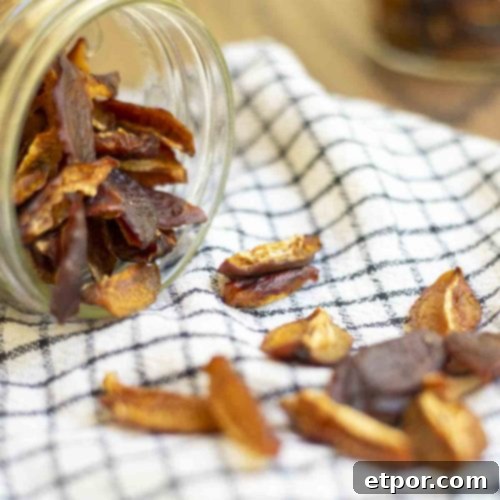
- Properly dried plums should be pliable and leathery, similar to a store-bought prune, with no visible moisture when you bend them. They may feel slightly sticky to the touch, which is normal for high-sugar fruits, but they should not feel wet or soft. If there’s any softness or moisture, continue drying.
- Cool and Condition:
- Once thoroughly dried, turn off the dehydrator and allow the plums to cool completely on the trays before transferring them to storage.
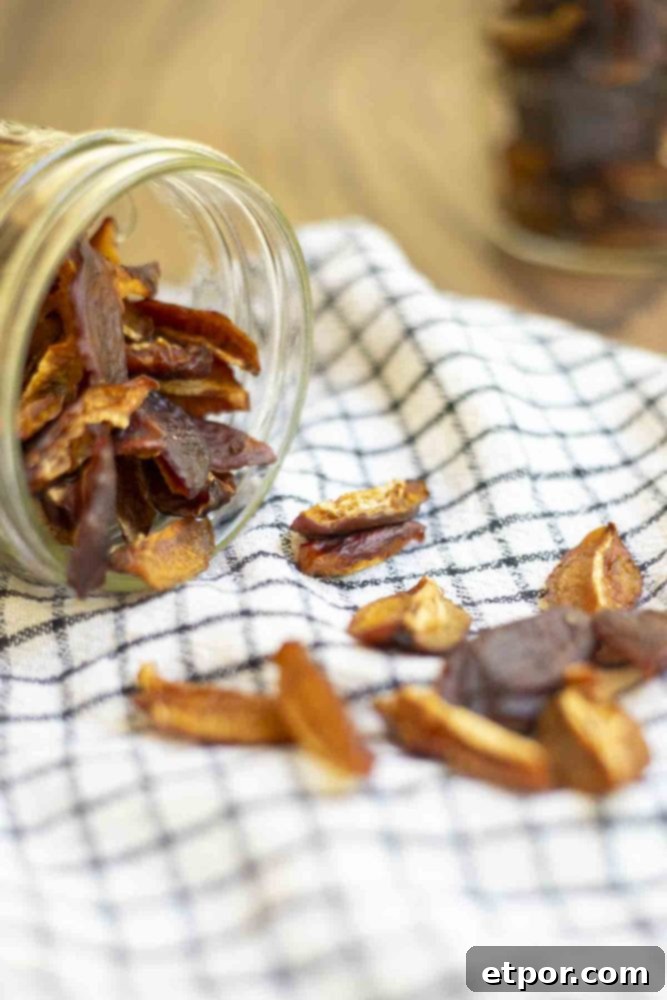
- For optimal storage and to equalize any residual moisture, it’s recommended to “condition” your dried plums. Place the cooled plums in an airtight container (like a mason jar) and seal it. Shake the container daily for about a week. If you observe any condensation inside the container, it indicates that the plums are not dry enough and should be returned to the dehydrator for additional drying.
How to Dry Plums in the Oven
If you don’t have a dehydrator, your oven can also be used to dry plums, though it requires more vigilance and may not be as energy-efficient. The goal is to use the lowest possible temperature to slowly evaporate moisture without cooking the fruit.
- Prepare the Plums:
- Wash and thoroughly dry your plums.
- Slice them into halves or pieces about ¼ to ½ inch thick, depending on the plum size and your preference. Remember, consistent thickness is key for even drying. Remove all pits.
- Optionally, pre-treat with lemon juice and water as described for the dehydrator method, then pat dry.
- Prepare Baking Sheets:
- Line baking sheets with parchment paper or silicone baking mats. This is crucial to prevent the sticky plum slices from adhering to the pan.
- For best air circulation, place your plum slices on wire cooling racks that fit inside your baking sheets. This elevates the fruit and allows air to circulate underneath, which is important for drying. If you don’t have racks, you’ll need to flip the plums more frequently.
- Arrange and Set Oven:
- Arrange the plum slices in a single layer on the prepared baking sheets or wire racks, ensuring no pieces are touching.
- Preheat your oven to its absolute lowest temperature setting. This is usually between 150°F and 200°F (65°C to 93°C). The ideal temperature is around 135-150°F, so pick the lowest your oven can safely maintain.
- To allow moisture to escape and prevent the plums from cooking, slightly prop open the oven door (e.g., with a wooden spoon). This creates a small gap for ventilation.
- Begin Drying:
- Place the baking sheets with plums into the preheated oven.
- The drying time will vary significantly, typically ranging from 3 to 8 hours or even longer. You are essentially slow-roasting the moisture out.
- Periodically check the plums and rotate the trays (front to back, top to bottom) every 1-2 hours to ensure even drying. If not using wire racks, you will also need to flip the plum slices every couple of hours.
- Check for Dryness:
- The plums are done when they are leathery and pliable, with no soft or moist spots when cooled. They should bend easily without breaking and should not exude any liquid when squeezed.
- If they are still moist, continue drying, checking frequently to prevent over-drying or burning.
- Cool and Condition:
- Once fully dried, remove the plums from the oven and let them cool completely on the baking sheets or racks before transferring to airtight containers.
- Follow the same conditioning process as described for dehydrator-dried plums to ensure even moisture distribution and prevent mold.
Proper Storage for Dried Plums
Correct storage is paramount to maintaining the quality, flavor, and extended shelf life of your homemade dried plums.
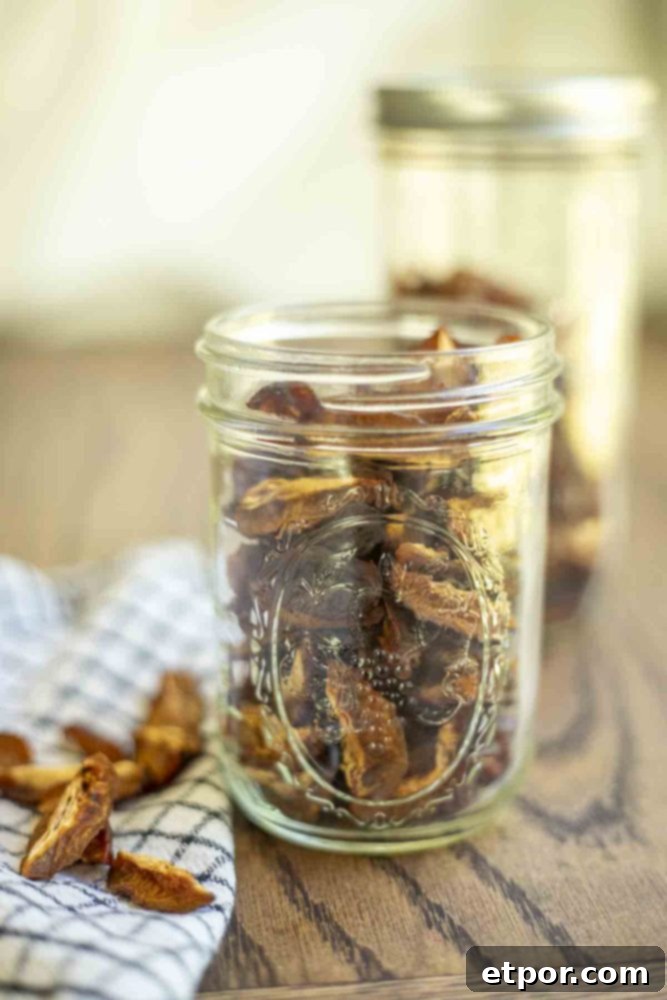
- Airtight is Key: After your plums have been thoroughly conditioned, transfer them to airtight containers. Mason jars with tight-fitting lids are excellent for this purpose, as are food-grade plastic containers with secure seals, or Mylar bags for very long-term storage. The goal is to create a barrier that protects the plums from air and moisture, which are their biggest enemies.
- Cool, Dark, and Dry Environment: Store the sealed containers in a cool, dark, and dry place. A pantry, cupboard, or basement away from direct sunlight and heat sources is ideal. Avoid areas with high humidity, such as near a sink, dishwasher, or refrigerator, as moisture can quickly compromise the quality of your dried plums and lead to spoilage.
- Consider Oxygen Absorbers: For even longer storage, especially if you plan to keep your dried plums for many months, consider adding oxygen absorbers to your sealed containers or Mylar bags. These packets remove oxygen, which further inhibits spoilage and extends shelf life.
- Shelf Life: When properly dehydrated and stored, homemade dried plums can last for up to one year, sometimes even longer. However, their peak flavor and texture are generally best within 6-9 months.
- Regular Inspection: Always keep an eye on your stored dried plums. Before each use, inspect them for any signs of spoilage, such as mold growth, off odors, or unusual stickiness. If you notice any of these signs, it’s best to discard the affected plums to prevent contamination of the entire batch. Trust your senses – if something seems off, it probably is.
- Labeling: Don’t forget to label your containers with the date of drying. This helps you keep track of their freshness and ensures you consume older batches first.
Creative Ways to Enjoy Your Dehydrated Plums
Beyond being a simple snack, dried plums are incredibly versatile in the kitchen:
- Breakfast Booster: Chop and add them to your morning oatmeal, granola, cold cereal, or yogurt for a natural sweetness and chewy texture.
- Baked Goods: Incorporate them into muffins, scones, bread, cakes, or cookies. Their moistness adds a lovely texture and flavor.
- Snack Mixes: Mix with nuts, seeds, and other dried fruits for a homemade trail mix.
- Savory Dishes: Surprising as it may seem, dried plums can add depth to savory dishes. Use them in tagines, stews, roasted meats (especially pork or chicken), or even in stuffings for a sweet and tangy counterpoint.
- Salads: Add chopped dried plums to green salads or grain bowls for a chewy, flavorful element.
- Smoothies: Rehydrate and blend them into your favorite smoothie for a boost of fiber and natural sweetness.
- Compotes & Sauces: Rehydrate and simmer with a little water and spices to create a delicious compote for pancakes, waffles, or a glaze for meats.
Frequently Asked Questions About Drying Plums
Why are my dehydrated plums still sticky?
If your dehydrated plums feel excessively sticky, it usually indicates that they haven’t been dried thoroughly enough. While high-sugar fruits like plums will naturally have a slight stickiness, they should not feel moist or wet to the touch. Ensure your plum slices are uniformly thin, and that you’ve followed the recommended drying time and temperature. If they’re still sticky after cooling and conditioning, return them to the dehydrator or oven for additional drying until they reach the desired leathery, pliable texture.
Can I use dehydrated plums in savory dishes?
Absolutely! Dehydrated plums (prunes) are a wonderful ingredient in savory cooking. Their sweet and tangy profile adds a unique depth and richness that can complement many savory flavors. They are fantastic in stews, alongside roasted pork or chicken, in traditional tagines, or even finely chopped and added to grain pilafs or salads for a surprising burst of flavor and chewiness. Don’t hesitate to experiment with them in your favorite savory recipes!
How long can I store dehydrated plums?
When properly dehydrated until thoroughly dry, cooled, conditioned, and stored in airtight containers in a cool, dark, and dry place, homemade dried plums can typically be stored for up to one year. For optimal freshness, try to consume them within 6 to 9 months. Always label your containers with the drying date to help manage your supply and ensure you enjoy them at their best.
What should I do if my dehydrated plums become moldy?
Mold growth on dehydrated plums is a clear sign that they were not dried sufficiently or were exposed to too much moisture during storage. Unfortunately, if you spot any mold, it’s best to discard the entire affected batch immediately. Mold can produce harmful toxins, and it’s not safe to simply remove the visible moldy parts. To prevent future mold growth, always ensure your plums are completely dry before storage and store them in truly airtight containers in a dry environment.
Can I rehydrate dehydrated plums?
Yes, you can easily rehydrate dried plums! To do so, place them in a bowl and cover them with warm water, fruit juice, or even a little brandy for about 30 minutes to an hour. The exact soaking time will depend on how soft you want them and their initial dryness. Once rehydrated, they can be used in various recipes that call for fresh plums, or simply enjoyed as a plumper, juicier snack.
Are dried plums good for you?
Absolutely! Dried plums are incredibly good for you. They are a nutrient-dense snack, rich in dietary fiber which is excellent for digestive health and regularity. They also contain a good array of vitamins and minerals, including Vitamin K, Vitamin A, potassium, and iron, along with beneficial antioxidants. Incorporating dried plums into your diet is a healthy and natural way to boost your nutrient intake and support overall well-being.
Find More Ways To Preserve The Harvest
Mastering the art of drying plums is just one step in maximizing your harvest and reducing food waste. Explore these other fantastic methods for preserving fresh produce and enjoying your bounty year-round:
- How To Dehydrate Blueberries: Learn to transform sweet blueberries into a chewy, versatile snack or baking ingredient.
- How to Freeze Kale – 2 Easy Ways: Keep your leafy greens fresh and ready for smoothies, soups, and stir-fries.
- Dehydrated Strawberries: Create intensely flavored dried strawberries perfect for snacks or granola.
- Preserving Tomatoes Without Canning: Discover simple methods to save your late-season tomatoes without extensive canning equipment.
- How To Freeze Blueberries- The Easiest Way Ever: Lock in the freshness of blueberries with this effortless freezing technique.
- How to Freeze Zucchini: Prepare and freeze your abundant summer squash for use in future meals.
If you try this recipe and love it, I would love if you could come back, comment on the post, and give it 5 stars! Please and thank you.
Dehydrated Plums
Print
Pin
Rate
SaveSaved!
Save This Recipe
We’ll get it sent to your inbox! Plus, get new recipes from us every week.
Equipment
-
1 Food Dehydrator (or an oven with a low-temperature setting)
-
Sharp Knife
-
Cutting Board
-
Airtight Containers (e.g., Mason jars)
-
Optional: Lemon Juice and Water for pre-treatment
Ingredients
- 5 pounds ripe but firm plums
Instructions
-
Rinse the plums under cool water to remove any dirt or debris, then pat dry.
-
Slice the plums in half lengthwise and carefully remove the pits using a sharp knife or pitter.
-
Depending on the size of your plums, you can keep them in halves or slice them further into ¼ to ½ inch thick pieces for optimal, even drying.
-
(Optional) To prevent browning and maintain vibrant color, dip plum slices in a solution of lemon juice and water for 5-10 minutes. Pat dry before proceeding. (I usually skip this step as the deep purple color of plums hides browning well).
-
Arrange the plum slices in a single layer on dehydrator trays or baking sheets lined with parchment paper/silicone mats. Ensure there is enough space between slices for proper air circulation.
-
If using a dehydrator, set the temperature to 135°F to 140°F (57°C to 60°C). If using an oven, set it to its lowest temperature (150-200°F) and prop the door slightly ajar.
-
Dry the plums for approximately 8 to 24 hours in a dehydrator, or 3 to 8 hours in an oven. Actual time will vary based on plum size, thickness, moisture content, and environmental factors. Rotate trays periodically for even drying.
-
The plums are fully dehydrated when they are pliable and leathery, with no visible moisture or soft spots when cooled to room temperature. They may feel slightly sticky but should not be wet.
-
Allow the dried plums to cool completely, then transfer them to an airtight container. Condition them by shaking the container daily for about a week to equalize any remaining moisture. Store in a cool, dark, dry place for up to a year.
Notes
- For best results, select plums that are ripe but still firm. This ensures good flavor and texture after drying.
- Always wash plums thoroughly and remove pits and stems before drying.
- Drying times can vary greatly. Regularly check your plums, especially in the later stages, to prevent over-drying.
- A proper “dryness test” involves cooling a few pieces and ensuring they are pliable, leathery, and free of internal moisture.
- “Conditioning” the dried plums in an airtight container for a week helps prevent mold by evenly distributing any lingering moisture.
- Store in a cool, dark, dry place. Mason jars are excellent for storage.
Tried this recipe? Tag me!Mention @ablossominglife or tag #ablossominglife!