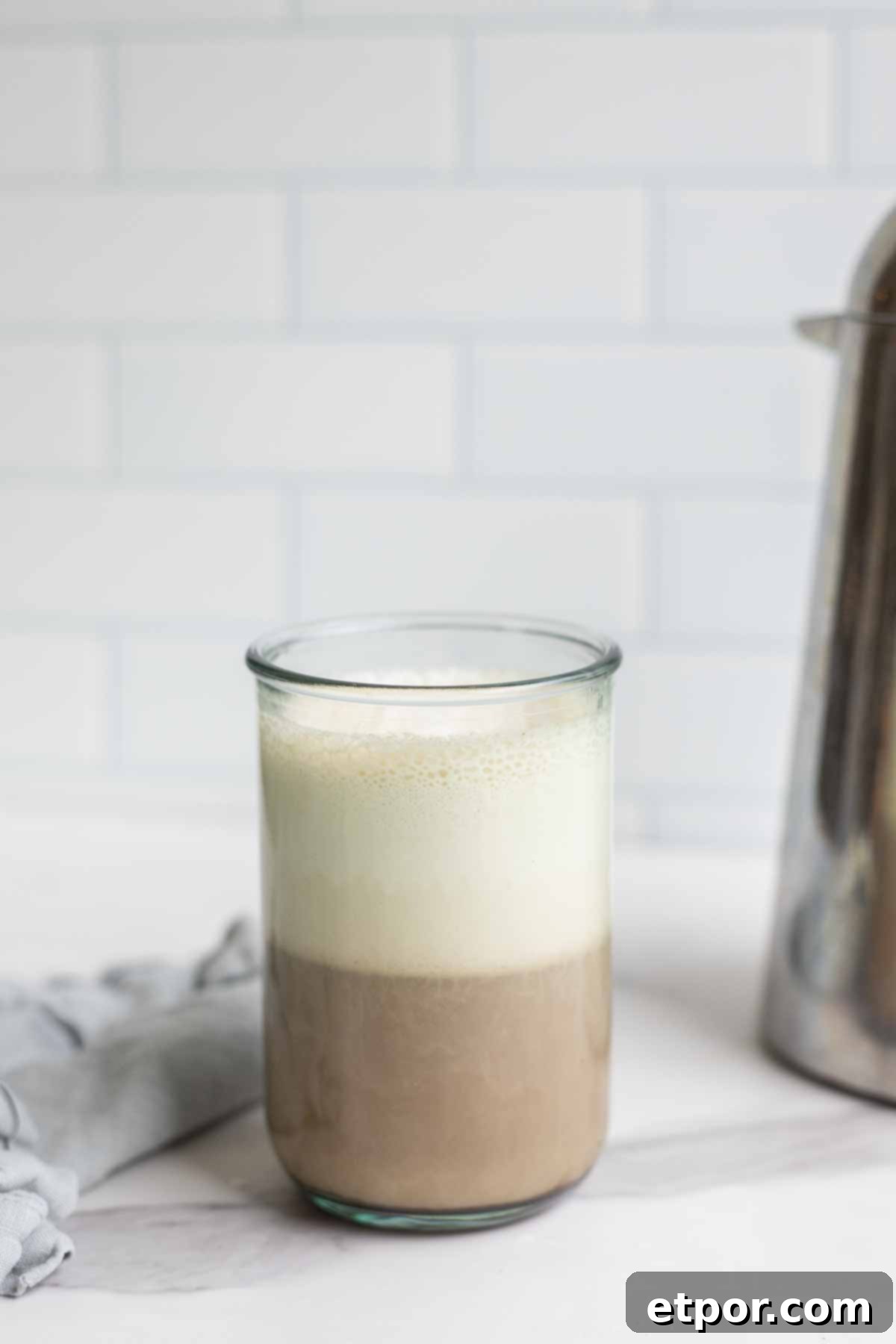
Mastering Homemade Cold Foam: The Ultimate Guide to Perfect Coffee & Tea Toppings
Elevate your daily coffee ritual with this incredibly simple homemade cold foam recipe. Whether you’re a fan of rich hot lattes or refreshing iced beverages, this customizable cold foam is the game-changer you’ve been searching for. Forget expensive coffee shop drinks; with just a few ingredients and minutes, you can create a luxurious, airy topping that transforms any cup into a gourmet experience.
Table of Contents
Toggle
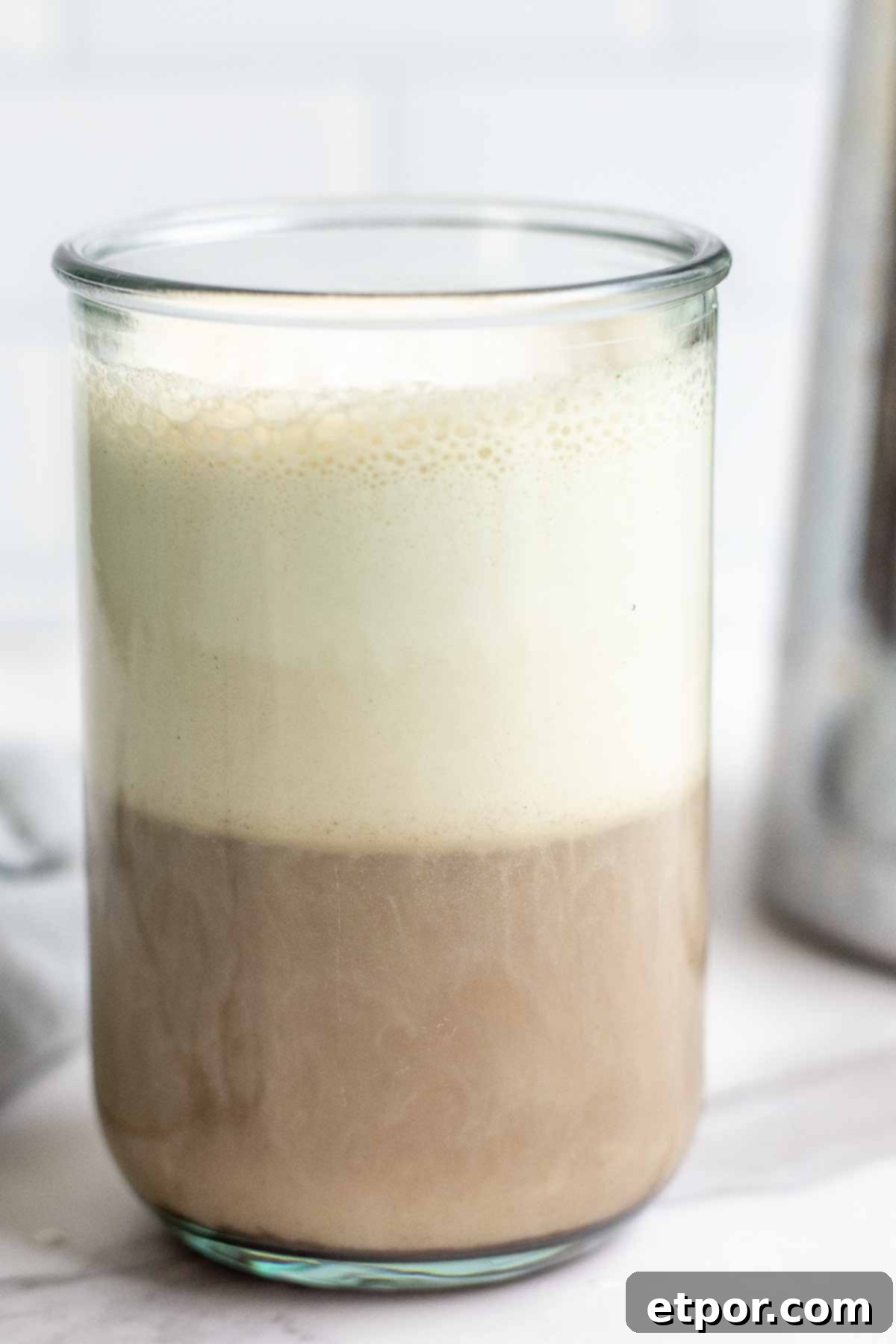
If there’s one recipe that has truly transformed my daily routine, it’s this one. Perhaps that’s a bit dramatic, but I’ve been making this sweet cream cold foam almost every single day for months, and it has undeniably elevated my coffee experience.
Typically, my mornings are a blur of activity, especially as a mom of four with a newborn and a toddler. My morning coffee often served a purely functional purpose – a quick jolt of caffeine taken black. I used to joke, much like Lorelai Gilmore, that I’d take my coffee intravenously if I could, caring more about the energy boost than the flavor.
However, discovering how to make sweet cold foam at home has completely changed that perspective. It’s so simple yet incredibly delicious, turning an ordinary cup of coffee into a special treat. This simple addition has immensely improved my “coffee game” and brings a moment of pure enjoyment to my hectic mornings.
Truthfully, this delightful recipe came about quite by accident. My friend, Lisa, once shared in one of her videos how she made lattes by heating and frothing milk on the stovetop with an immersion blender. I adopted this method for a while, but the extra dishes quickly became a chore. I even experimented with fancy electric milk frothers that both heated and frothed, but was put off by the plastic components so many of them contained.
Frustrated with the options, I decided to try frothing the milk cold. To my surprise, it created the most delicious, fluffy, sweet cream foam that perfectly complements both hot and iced beverages. It was an instant revelation, and I’ve been hooked ever since. This simple technique delivers a rich, creamy texture and a touch of sweetness that makes every sip feel indulgent.
Recipe Highlights:
Crafting your own cold foam at home offers several appealing advantages:
- Simple, Wholesome Ingredients: You only need 3 to 4 basic ingredients, free from artificial preservatives or unusual additives. You likely already have most of them in your kitchen.
- Irresistibly Delicious: This lightly sweetened milk foam provides a velvety texture and a delightful taste, making it ideal for a wide array of drinks, from classic coffee to various tea creations.
- Effortless Preparation: The entire process takes less than two minutes, making it a perfect quick indulgence even on the busiest mornings. It’s a small investment of time for a significant upgrade to your drink.
- Endlessly Customizable: This recipe serves as a versatile base that you can easily adapt to your personal taste. Want it sweeter? Add more of your preferred sweetener. Craving a different flavor? Incorporate extracts or syrups. It pairs beautifully with hot coffee, iced coffee, matcha lattes, regular tea, or even trendy drinks like a homemade “pink drink.”
What is cold foam?
Cold foam is essentially aerated milk that has been frothed without heat, typically using a milk frother or blender, until it achieves a light, airy, and fluffy texture. This cool, creamy topping is then gently poured over hot or cold beverages, adding a layer of rich flavor and a luxurious mouthfeel. Unlike traditional steamed milk foam found in lattes, cold foam maintains a cool temperature, making it especially delightful for iced coffee, cold brew, or iced tea. It’s also distinct from whipped cream, as it has a lighter, less dense consistency, allowing it to blend more harmoniously with your drink while still providing a lovely creamy head.
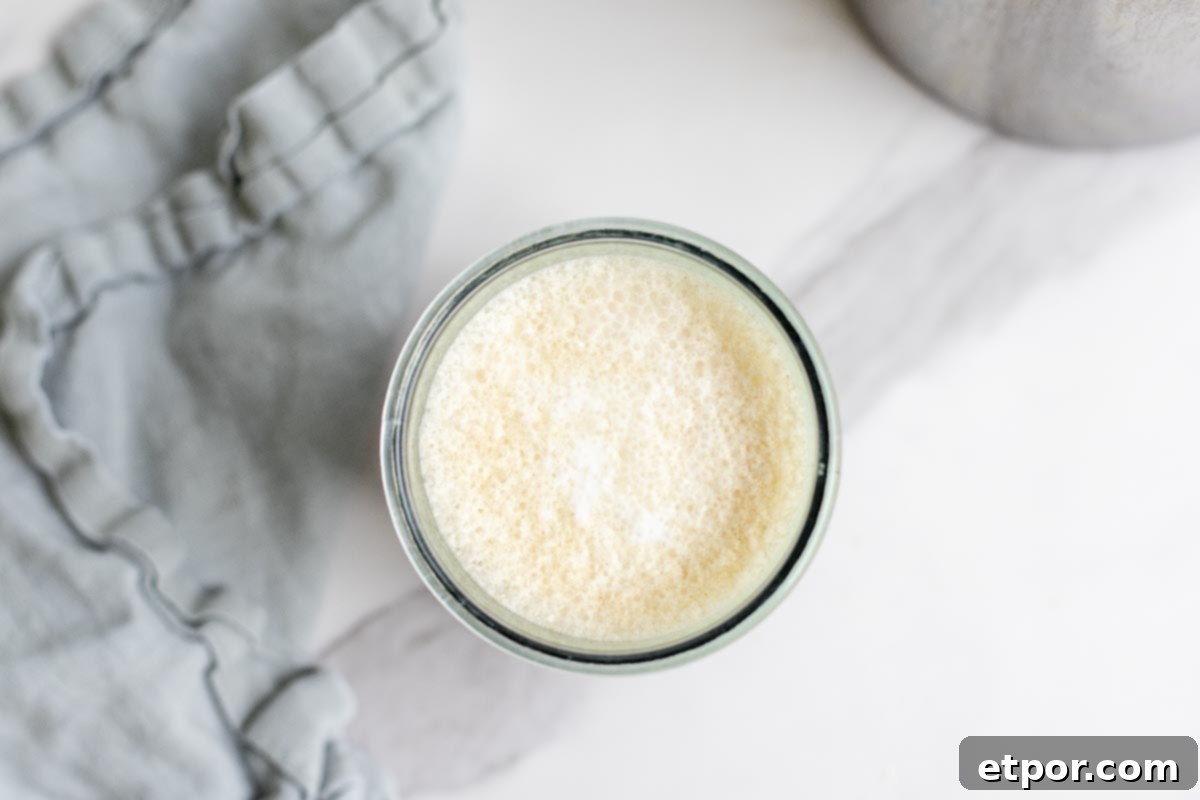
Why Make Cold Foam at Home?
Beyond the simple pleasure of a delicious drink, making your cold foam at home offers several compelling benefits:
- Cost Savings: Regular trips to coffee shops for specialty drinks can add up quickly. Crafting your cold foam at home significantly reduces these expenses, giving you more bang for your buck without sacrificing quality.
- Complete Customization: Commercial cold foam often comes with pre-set sweetness levels and flavor profiles. At home, you have total control. Adjust the type and amount of sweetener, experiment with different milk bases, and infuse unique flavors to perfectly match your preferences.
- Freshness and Quality: By choosing your own ingredients, you can ensure the freshest milk, natural sweeteners, and high-quality extracts, avoiding any artificial ingredients or preservatives often found in store-bought options.
- Convenience: Once you have the right tools, making cold foam takes mere seconds. It’s an effortless way to upgrade your morning coffee or afternoon tea without having to leave your kitchen.
- Impress Your Guests: Serving a beautifully topped drink with homemade cold foam instantly elevates your hosting game, making everyday moments feel a little more special.
Tips for the Perfect Cold Foam:
- Choose the Right Sweetener: For optimal incorporation and a smooth texture, always opt for liquid sweeteners like maple syrup, honey, or simple syrup. Powdered sugar is also an excellent choice, as its fine granules dissolve quickly. Granulated sugar, however, tends to be too coarse and may not blend seamlessly, leaving a gritty texture.
- Experiment with Milk Types: The type of milk you choose profoundly impacts the cold foam’s texture and stability. Whole milk yields a richer, creamier foam due to its fat content, while skim milk produces a lighter, airier froth. Dairy-free alternatives like almond milk or oat milk can also create fantastic foam, but results may vary by brand; look for “barista blends” for best frothing performance. I personally enjoy using raw, unskimmed milk for its natural creaminess and full flavor.
- Master the Pour: A smooth, controlled pour is key to achieving a visually appealing and delicious cold foam topping. Pour slowly over your drink to ensure the foam settles gently on top, preventing it from sinking too quickly into the beverage. This creates that beautiful layered effect seen in professional coffee shop drinks.
- Adjust Sweetness to Taste: My preference leans towards subtly sweet coffee drinks, allowing the coffee’s flavor to shine. However, if you enjoy a sweeter treat, feel free to increase the amount of honey, maple syrup, or other sweetener to perfectly suit your palate. This recipe is highly adaptable.
- Use an Appropriately Sized Container: Cold foam expands significantly as it froths, often tripling in volume. To avoid spills and ensure ample space for aeration, use a tall glass or jar that is at least two to three times larger than the initial amount of milk you’re frothing. A pint-and-a-half mason jar is a perfect size for this purpose.
Ingredients for Homemade Cold Foam:
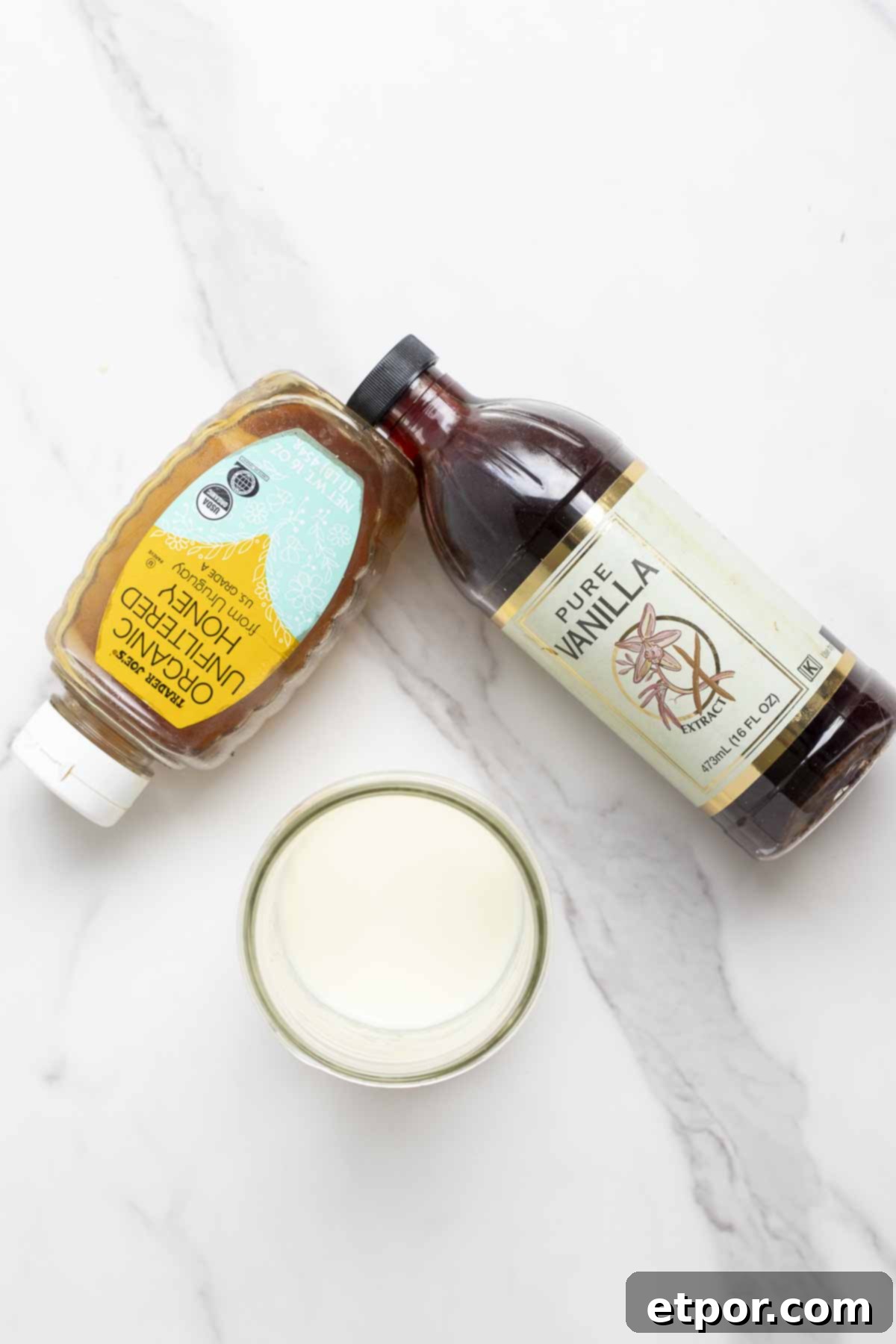
Creating delicious cold foam requires only a few high-quality ingredients, each playing a crucial role in the final texture and taste:
- Milk: The foundation of your cold foam. While traditional cold foam often uses skim milk for a lighter froth, I find that whole milk or even raw, unskimmed milk provides a richer flavor and a more stable, luxurious texture due to its higher fat content. Feel free to experiment with different types of milk, including full-fat, low-fat, or non-dairy alternatives like almond milk, oat milk, or soy milk. Barista blend non-dairy milks are often formulated to froth exceptionally well.
- Heavy Whipping Cream: This is an optional but highly recommended ingredient. Adding a splash of heavy whipping cream significantly enhances the richness and creaminess of your cold foam, giving it a more indulgent, velvety consistency that holds its shape beautifully. If you prefer a lighter foam, you can omit it and simply use more milk.
- Sweetener: Essential for that signature “sweet cream” flavor. Almost any liquid sweetener works wonderfully here. My go-to choices are honey or maple syrup for their natural flavor profiles and ease of blending. Other excellent options include powdered sugar (which dissolves quickly) or homemade simple syrup. Avoid granulated sugar, as its larger crystals may not fully dissolve in cold liquid, leading to a grainy texture. Adjust the amount to your personal preference.
- Flavors (Optional but Recommended): This is where you can truly personalize your cold foam. A dash of homemade vanilla extract is my secret for that classic, comforting vanilla sweet cream taste. Beyond vanilla, the possibilities are endless for creating unique taste experiences. Consider seasonal syrups like lilac syrup for a springtime floral note, or caramel, hazelnut, or pumpkin spice for other delightful variations.
Essential Tools for Frothing:
Achieving that perfect, airy cold foam consistency is easy with the right equipment:
- Electric Frother (Handheld or Countertop): The most efficient tool for creating cold foam. A handheld milk frother is compact, affordable, and excellent for small batches. An immersion blender (my personal choice) is incredibly versatile and works just as well, quickly aerating milk to perfection. Dedicated countertop milk frothers often come with settings for both hot and cold frothing, offering convenience. Avoid using a simple whisk, as it rarely achieves the desired light and voluminous texture.
- Measuring Cups or Spoons: While I often eyeball the quantities for convenience, using measuring cups and spoons ensures precision and consistent results, especially when you’re first getting started or experimenting with new flavors.
- Tall Glass or Jar: Crucial for effective frothing. Choose a glass that is at least three times taller than the amount of liquid you plan to froth. This allows ample space for the milk to expand and prevents spills during the aeration process. A pint and a half mason jar is an ideal choice, providing plenty of room for your foam to grow.
- Coffee Maker: To pair with your delicious cold foam, you’ll need a way to brew your coffee or tea. Whether you prefer a French press for rich, full-bodied coffee, a cold brew coffee maker for smooth, low-acidity concentrates, or a standard drip coffee machine, ensure you have a strong brew ready. This recipe also works wonderfully with matcha tea or other brewed teas.
How To Make Vanilla Sweet Cream Cold Foam
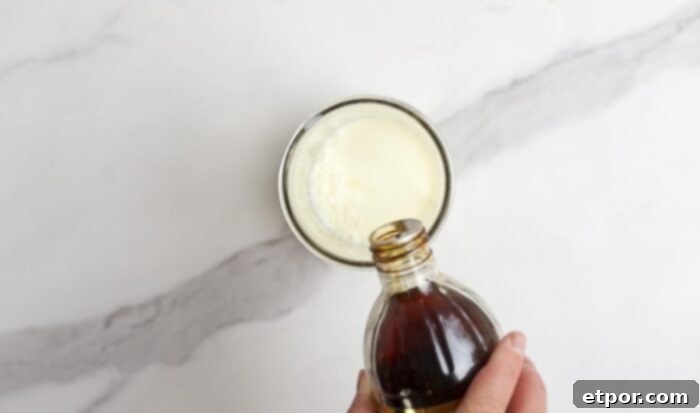
Step 1: Combine Ingredients. To a tall glass or mason jar, add your cold milk, your chosen liquid sweetener (such as honey or maple syrup), and a splash of vanilla extract. Ensure all ingredients are thoroughly chilled for the best frothing results. The colder the liquid, the better it will aerate and hold its shape.
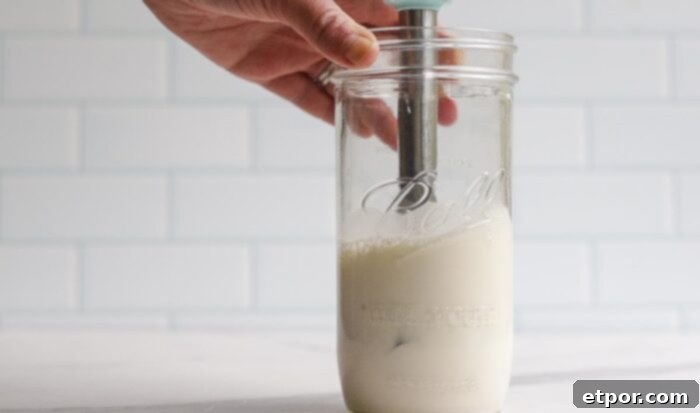
Step 2: Froth Until Light and Voluminous. Insert your electric frother or immersion blender into the mixture. Froth for about 20-30 seconds, or until the milk has visibly increased in volume and achieved a light, airy, and fluffy consistency. It should roughly triple in size. Pay attention to the texture; you want a stable foam, not just large bubbles.
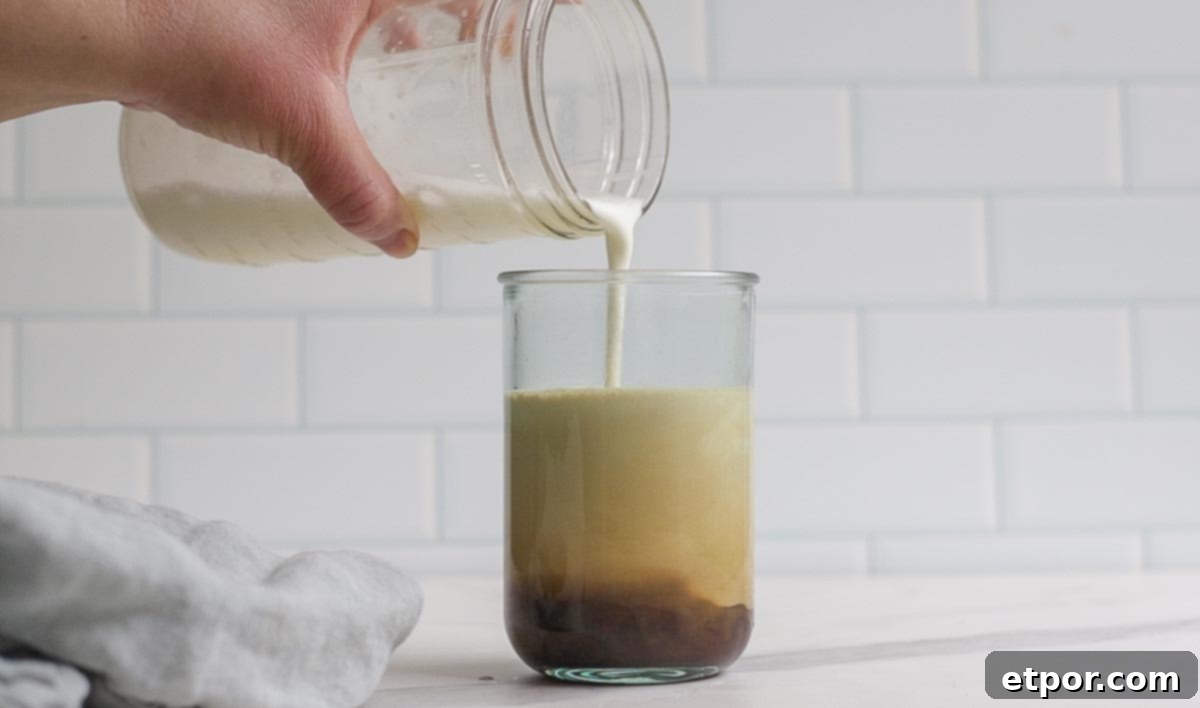
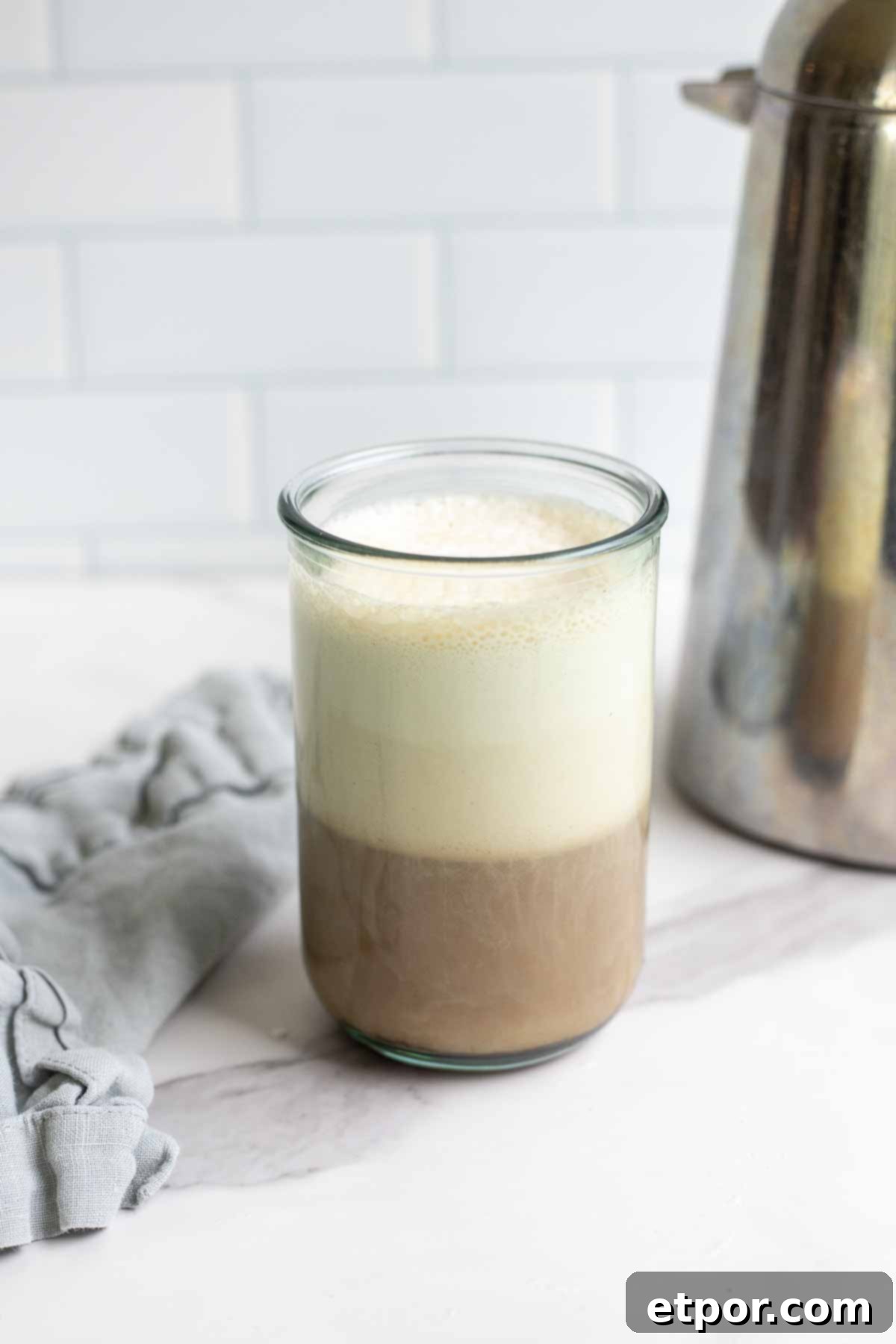
Step 3: Pour and Enjoy. Gently pour the freshly frothed cold foam on top of your preferred hot or cold beverage. Pouring slowly helps the foam layer beautifully on top, preventing it from immediately sinking into the drink. Serve immediately and savor the delightful creamy texture and enhanced flavor. The contrast of the cold foam with a hot drink, or its perfect complement to an iced one, is truly exquisite.
Creative Flavor Variations for Cold Foam:
While vanilla sweet cream cold foam is a classic, the beauty of making it at home lies in your ability to experiment with endless flavor combinations. Here are some ideas to inspire your next creation:
- Caramel Drizzle Cold Foam: Add a tablespoon of caramel syrup to your milk mixture before frothing. Drizzle extra caramel on top of the finished foam for a decadent treat.
- Hazelnut Bliss Cold Foam: Incorporate a teaspoon of hazelnut extract or hazelnut syrup. This pairs wonderfully with chocolate-flavored coffees or a classic Americano.
- Spiced Cinnamon Cold Foam: Before frothing, add a pinch of ground cinnamon to your milk and sweetener. A light sprinkle of cinnamon on top after pouring adds a warm aroma. This is fantastic with spiced tea or a chai latte.
- Pumpkin Spice Cold Foam (Seasonal Favorite): Mix in a teaspoon of pumpkin puree and a dash of pumpkin pie spice for an autumnal delight. This seasonal variation is perfect for fall-themed lattes.
- Mocha Cold Foam: Stir in a small amount of cocoa powder or chocolate syrup before frothing for a chocolatey twist. Great with espresso or dark roast coffee.
- Mint Chocolate Cold Foam: A few drops of peppermint extract and a tiny amount of cocoa powder can create a refreshing mint chocolate foam, especially lovely during holidays.
- Lavender Honey Cold Foam: Add a drop or two of food-grade lavender extract and a bit more honey for a sophisticated, floral flavor profile.
Troubleshooting Cold Foam: Common Issues and Solutions
While making cold foam is generally straightforward, you might encounter a few hurdles. Here’s how to address common issues:
- Foam isn’t thick enough:
- Ensure ingredients are cold: Warm milk won’t froth as well. Use milk straight from the fridge.
- Check milk type: Whole milk and heavy cream create thicker, more stable foam. Skim milk creates a lighter, airier foam that might dissipate faster. Barista blend non-dairy milks are often best for plant-based options.
- Froth longer: You might need to froth for an additional 10-15 seconds. Aim for a visibly expanded, almost tripled volume.
- Angle your frother: Hold the frother at a slight angle and just below the surface of the milk to incorporate more air.
- Foam is too watery or collapses quickly:
- Over-frothing: Sometimes, frothing for too long can break down the milk proteins, leading to a thinner foam. Stop when it reaches the desired fluffy consistency.
- Sweetener type: Ensure you are using liquid sweeteners or powdered sugar. Granulated sugar won’t dissolve properly and can affect foam stability.
- Milk quality: Fresh, high-quality milk generally froths better.
- Sweetener isn’t dissolving:
- Liquid or powdered sweetener: As mentioned, these are best. If using powdered sugar, ensure it’s finely ground.
- Mix first: For best results, stir your sweetener into the milk *before* frothing. The frothing action will then help fully incorporate it.
- Large bubbles in the foam:
- Tap the glass: Gently tap the bottom of the glass on your countertop a few times after frothing. This helps burst larger bubbles and create a smoother, more uniform microfoam.
- Swirl gently: Give the glass a gentle swirl before pouring to integrate any larger bubbles.
Cold Foam FAQ:
Absolutely! Many alternative milk options, such as almond milk, soy milk, and especially oat milk (often “barista blends”), work beautifully for creating a dairy-free cold foam. The key is to choose a brand and type that is known to froth well. Some non-dairy milks contain stabilizers that help create a more stable foam, so don’t be afraid to experiment to find your favorite.
Cold foam is definitely best enjoyed fresh, immediately after preparation, when it’s at its peak fluffiness and aeration. However, if you have any leftovers, you can store them in an airtight container in the refrigerator for up to 24 hours. Before using it again, be sure to give it a good shake or a quick whisk to revive its fluffy consistency, as it may deflate slightly over time.
While a dedicated electric milk frother or a handheld immersion blender is ideal for achieving the perfect cold foam texture, you can certainly use a regular blender if that’s what you have available. When using a blender, blend the milk mixture on a medium to high setting for about 30-60 seconds, or until it becomes frothy. Be careful not to over-blend, as this can sometimes lead to a thinner, less stable foam rather than a rich, airy one. A French press can also be used by rapidly pumping the plunger.
While both are dairy-based toppings, cold foam and whipped cream are quite different. Cold foam is created by aerating milk (and sometimes a touch of cream) until it’s light, airy, and fluffy, with a much lower fat content and lighter texture than whipped cream. Whipped cream, on the other hand, is made by vigorously whisking heavy cream until it incorporates air and becomes much denser, richer, and holds stiff peaks. Cold foam is designed to blend more subtly into beverages.
Find More Delicious Drinks:
If you love elevating your beverages, explore these other delightful drink recipes:
- Homemade Gingerbread Coffee Creamer
- Vegan Pumpkin Spice Latte
- Homemade Eggnog Latte
- Soothing Rosemary Tea
- Indulgent Honey Butter Latte
If you try this delightful homemade cold foam recipe and love it as much as I do, please consider coming back to this post, leaving a comment, and giving it a star rating! Your feedback helps others discover and enjoy these recipes. Thank you!
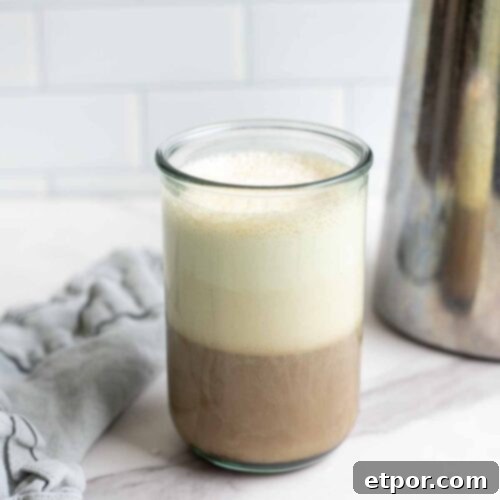
Sweet Cream Cold Foam
Print
Pin
Rate
SaveSaved!
Save This Recipe
We’ll get it sent to your inbox! Plus, get new recipes from us every week.
Equipment
-
Immersion blender frother, or blender
Ingredients
- 1/4 cup milk
- 2 tablespoons heavy cream Optional. Or just add more milk.
- 1/8 teaspoon vanilla
- 1 teaspoon honey maple syrup or powdered sugar. More or less.
Instructions
-
To a tall glass, add your milk, sweetener of choice, and vanilla extract.
-
Froth for 20-30 seconds or until your milk has about tripled in size.
-
Pour on top of your drink slowly to help prevent the cream mixture from sinking.
Notes
- Use a liquid sweetener such as maple syrup or honey, or powdered sugar for better incorporation.
- Experiment with different types of milk, such as whole, skim, or alternative options like almond or oat milk, to find the perfect balance for your preferences. I usually just use raw milk that has not been skimmed.
- Aim for a smooth, consistent pour to create a luxurious foam that complements your coffee perfectly.
- Personally, I’m not a huge fan of overly sweet coffee drinks, but if you are, add more sweetener to your liking.
- Use a glass that is at least 2-3x the amount of milk. It froths up a lot and expands. I like to use a pint and a half mason jar.