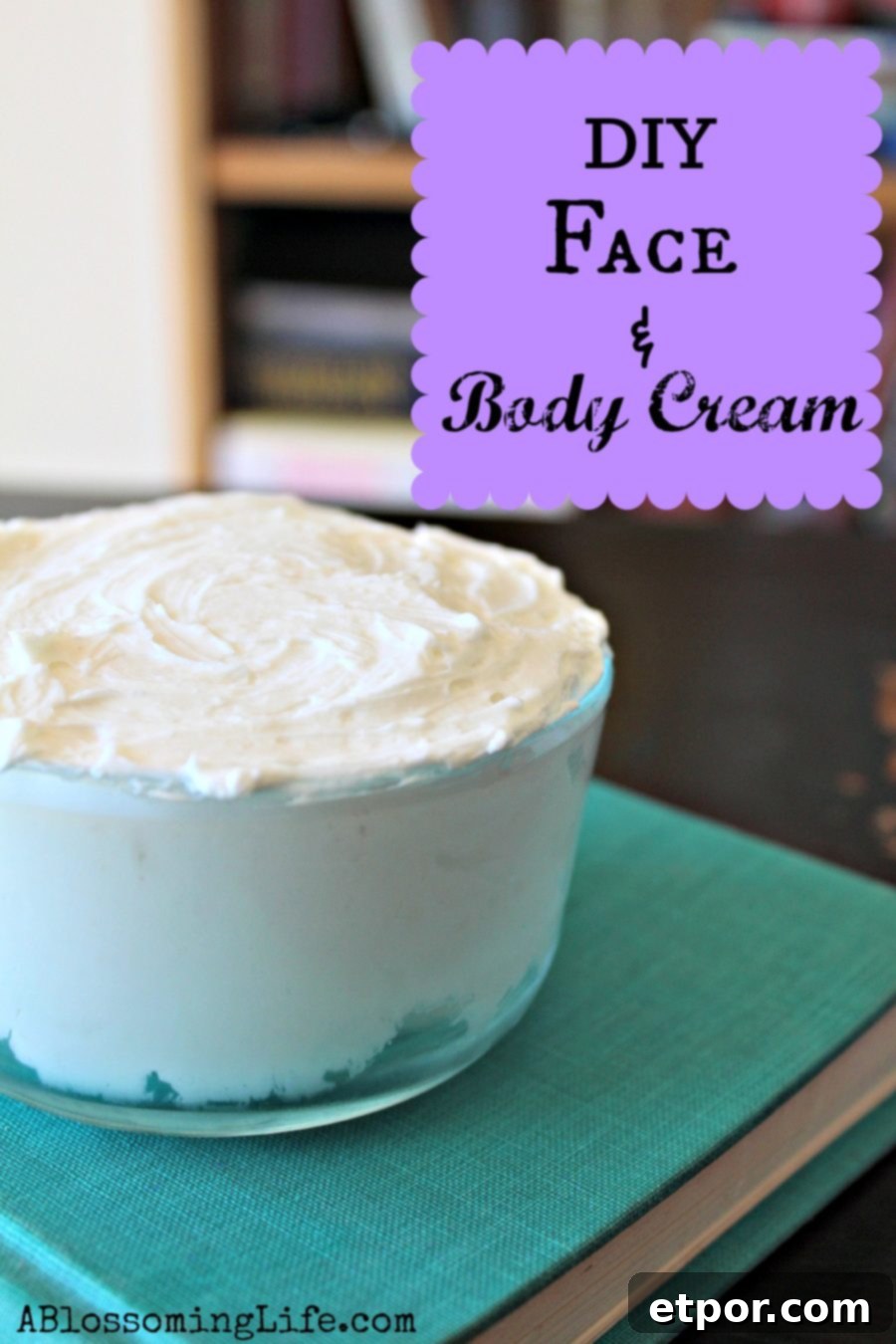
DIY Hydrating Face & Body Cream: Your Ultimate Guide to Natural, Nourishing Skincare
Are you tired of store-bought lotions filled with mysterious ingredients? Do you struggle with dry, parched skin, especially during harsh weather changes? Imagine a luxurious, deeply hydrating cream that not only soothes your skin but also gives you complete control over every single ingredient. This comprehensive guide will walk you through creating your very own DIY Hydrating Face and Body Cream – a simple, yet incredibly effective recipe that will transform your skincare routine. Forget complicated procedures; this natural cream is surprisingly easy to make and delivers outstanding results, leaving your skin soft, supple, and beautifully moisturized. The best part? You’ll know exactly what you’re putting on your body, embracing a healthier, more natural approach to beauty.
Why Embrace Homemade Skincare? The Benefits of DIY
In a world saturated with commercial beauty products, choosing to make your own skincare might seem like an extra step. However, the benefits of crafting your own lotions and potions are numerous and deeply rewarding. First and foremost, you gain unparalleled control over the ingredients. No more scanning lengthy labels for obscure chemicals, artificial fragrances, or unnecessary fillers. When you make your own cream, you select high-quality, natural components, ensuring your skin receives only the best. This is particularly crucial for those with sensitive skin or allergies, as you can easily customize the recipe to avoid potential irritants.
Beyond ingredient control, DIY skincare often proves to be significantly more cost-effective in the long run. While the initial investment in raw materials might seem like a barrier, these ingredients are typically concentrated and last for many batches of various products. Consider the price of high-end, natural face and body creams – making your own offers a luxurious experience without the hefty price tag. Furthermore, there’s an immense satisfaction that comes from creating something with your own hands, knowing that you’re nourishing your body with love and care. It’s an empowering step towards a more sustainable and conscious lifestyle, reducing packaging waste and supporting ethical sourcing of ingredients.
The Magic Behind Your DIY Hydrating Cream: Understanding the Ingredients
This recipe harnesses the power of natural oils, butters, and extracts to create a deeply moisturizing cream that works wonders for both your face and body. Each ingredient plays a vital role, contributing to the cream’s texture, stability, and skin-loving properties. Let’s explore what makes each component so special.
The Essential Ingredients You’ll Need:
- 1 Tablespoon Beeswax: A natural emulsifier and thickener, beeswax helps to bind the oil and water phases of your cream, creating a stable and smooth consistency. It also forms a protective barrier on the skin, sealing in moisture without clogging pores.
- 1/4 Cup Shea Butter: Renowned for its incredibly rich moisturizing properties, shea butter is packed with vitamins A, E, and F. It’s an excellent emollient that softens and hydrates the skin, promoting elasticity and soothing dryness, irritation, and even conditions like eczema.
- 1/4 Cup Organic Coconut Oil: A versatile and widely loved natural oil, coconut oil provides deep hydration and possesses natural antimicrobial properties. While excellent for body moisturization, some individuals with acne-prone facial skin might find it a bit rich, but for most, it contributes to a smooth, nourishing texture.
- 3/4 Cup Aloe Vera Gel: A superstar for soothing and healing, aloe vera gel offers lightweight hydration, calms irritated skin, and is rich in antioxidants. It helps to reduce inflammation and promotes skin repair, making it a perfect complement to the richer oils and butters.
- 1 Ounce (about 1 Tablespoon) Vitamin E Oil: A powerful antioxidant, Vitamin E oil helps to protect skin cells from damage caused by free radicals. It’s also known for its skin-repairing properties, aiding in reducing the appearance of scars and promoting overall skin health. Additionally, it acts as a natural preservative, extending the shelf life of your homemade cream.
- 20 Drops Essential Oil (Optional): Essential oils add a beautiful natural fragrance and can offer additional therapeutic benefits. Popular choices include lavender (calming), frankincense (rejuvenating), or tea tree (purifying). Always choose high-quality, pure essential oils and research their specific benefits and safety guidelines.
- 1 Tablespoon Bentonite Clay (Optional): If you desire a cream with detoxifying properties or one that helps to absorb excess oil, especially for facial use, bentonite clay is an excellent addition. It draws out impurities and can leave the skin feeling refreshed and smooth.
Crafting Your Cream: Step-by-Step Directions for a Silky Smooth Finish
Creating this hydrating cream is a journey that’s far simpler than you might imagine. The key is patience, particularly during the cooling phase, which ensures a beautifully emulsified and stable product. Follow these detailed steps for the best results.
- Melt the Solid Ingredients: In a microwave-safe bowl or a double boiler, gently combine the beeswax, shea butter, and organic coconut oil. Heat slowly until all ingredients are completely melted and clear. If using a microwave, heat in short bursts (30-60 seconds), stirring in between, to prevent overheating. A double boiler offers more controlled heating.
- Prepare for Blending: Once melted, carefully pour the hot oil mixture into your blender or mixer. This is a crucial step! Allow this mixture to cool completely until it reaches a solid, opaque state, similar to the original shea butter or coconut oil. This can take several hours, especially if you’ve made a larger batch. For faster cooling, you can place the blender jar in the refrigerator, stirring occasionally to ensure even cooling, but do not let it solidify entirely at the edges while the center is still warm. This cooling process is vital for the cream to emulsify properly and achieve a whipped, fluffy texture.
- Combine the Water-Based Ingredients: In a separate bowl, thoroughly mix together the aloe vera gel, vitamin E oil, and your chosen essential oils (if using). Stir until well combined.
- Emulsify Your Cream: Once the oil mixture in your blender has cooled and solidified, begin blending it on a low to medium speed. As it starts to whip and lighten in color, slowly drizzle in the aloe vera mixture. Add it gradually, allowing the blender to fully incorporate each addition before adding more. This slow integration is what creates a stable emulsion, transforming the two separate phases into a single, cohesive, creamy lotion. Continue blending until the mixture is light, fluffy, and has the consistency of whipped yogurt or soft butter.
- (Optional) Incorporate Bentonite Clay: If you’re adding bentonite clay, sprinkle it into the whipped cream and gently blend it in. Important: Bentonite clay should not come into contact with metal, as it can react and lose its beneficial properties. Use a plastic or silicone spoon and avoid using metal blender blades for this specific step if possible, or blend very briefly. Alternatively, you can hand-mix the clay with a non-metal utensil after transferring the cream to its final container.
- Store Your Cream: Carefully transfer your freshly made, luxurious lotion into a clean, airtight container with a lid. Glass jars or amber plastic containers are ideal.
Tips for Success & Troubleshooting
- Patience is Key: The most common mistake is not allowing the oil mixture to cool completely before adding the aloe vera. Rushing this step can lead to a separated or grainy cream.
- Temperature Matters: As noted, if your lotion gets too hot (e.g., left in direct sunlight or a very warm room), it can melt and separate. Store it in a cool, dark place in your home. Temperatures around or slightly above 75 degrees Fahrenheit (24-25 degrees Celsius) are usually fine, but avoid extreme heat.
- Whipping Consistency: Continue blending until the cream reaches your desired whipped consistency. If it seems too thin, it might need more whipping or slightly more beeswax in future batches. If it’s too thick, a tiny bit more aloe vera can be added very gradually.
- Sanitation: Always use clean utensils and containers to minimize bacterial growth and extend the shelf life of your homemade product.
Storing and Shelf Life: Keeping Your Natural Cream Fresh
Because this cream contains natural ingredients and no harsh synthetic preservatives, proper storage is essential to maintain its freshness and efficacy. Stored in a cool, dark place in an airtight container, your DIY Hydrating Face and Body Cream should last for approximately 3-6 months. The Vitamin E oil acts as a natural antioxidant, helping to prevent the oils from going rancid, but it is not a broad-spectrum preservative against bacteria and mold. Always use clean hands or a spatula to scoop out the cream to avoid introducing contaminants. If you notice any changes in color, smell, or texture, it’s best to discard the batch.
My Personal Experience: A Skincare Game-Changer
I cannot express how much I love this homemade lotion! After struggling with incredibly dry skin, exacerbated by unpredictable weather, finding a truly effective solution felt impossible. Commercial lotions often left my skin feeling greasy or provided only temporary relief. This DIY cream, however, is a revelation. It possesses a wonderfully thick, creamy, and luxurious consistency, reminiscent of a whipped dessert or my homemade whipped coconut body butter, but with a significant advantage: it absorbs quickly and doesn’t leave an oily residue. It melts into the skin beautifully, providing deep, lasting hydration.
I’ve been using it diligently on both my body and, more importantly, my face. The results have been remarkable. My complexion, which was consistently dry and prone to minor irritations, has noticeably cleared up and feels incredibly soft and balanced. The persistent dryness is finally gone! It’s such a relief to have a product that genuinely nourishes my skin from within, without any of the unknown additives that often accompany store-bought options. This cream has truly become a staple in my daily routine, simplifying my skincare and delivering consistent, visible improvements.
Customizing Your Cream: Make It Uniquely Yours
One of the greatest joys of DIY skincare is the ability to tailor recipes to your specific needs and preferences. While this recipe provides a fantastic base, feel free to experiment with variations:
- Different Carrier Oils: Instead of or in addition to coconut oil, consider other nourishing oils like jojoba oil (mimics skin’s natural sebum, great for all skin types), sweet almond oil (light and moisturizing), or apricot kernel oil (rich in vitamins).
- Alternative Butters: Experiment with cocoa butter for a chocolatey scent and extra richness, or mango butter for a lighter, non-greasy feel.
- Essential Oil Blends: Create your signature scent! Try a blend of uplifting citrus oils (lemon, orange – be mindful of photosensitivity), grounding woody scents (sandalwood, cedarwood), or floral notes (rose, jasmine). Always research essential oil safety.
- Extra Boosters: For added hydration, a small amount of vegetable glycerin can be incorporated with the aloe vera. For a less oily finish, a tiny amount of arrowroot powder can be blended in at the end, though this cream already absorbs beautifully.
Join the DIY Skincare Movement: Share Your Creations!
Taking control of your skincare routine by making your own products is an empowering step towards a healthier, more mindful lifestyle. This DIY Hydrating Face and Body Cream is a perfect starting point, proving that natural luxury doesn’t have to be complicated or expensive. Once you experience the purity and effectiveness of homemade products, you might find yourself inspired to explore even more DIY beauty solutions.
What kind of homemade products do you currently make? Or what are you hoping to try next? Share your experiences and tips in the comments below – let’s inspire each other on this natural beauty journey!