The Comprehensive Guide to Essential Oils: Unlock Their Power Safely and Effectively
Welcome to your ultimate guide to essential oils! Whether you’re a complete novice or looking to deepen your understanding, this resource is designed to empower you with the knowledge and confidence to safely and effectively integrate essential oils into your daily routine. We’ll cover everything from what essential oils are and where to find high-quality options, to the best oils for beginners, versatile application methods, and crucial safety guidelines. Get ready to transform your wellness journey with nature’s potent essences.
My Journey into the World of Essential Oils
I distinctly remember my initial foray into using essential oils, a journey that began with more confusion than clarity. I was captivated by their beautiful aromas but largely unsure about their practical application or therapeutic benefits. Like many beginners, I simply enjoyed the pleasant scents, harboring a vague hope that they might be doing something positive, though I couldn’t quite pinpoint what. This early uncertainty fueled my desire to truly understand these concentrated plant extracts. Today, I’m thrilled to share a comprehensive overview of essential oil basics, built on years of personal experience and diligent research.
In our household, essential oils (EOs) have become an indispensable part of our daily lives. While some people swear by their “magical” properties and others dismiss them as mere “voodoo” (a term my own mother playfully used!), I consider myself to be in the middle, adopting a balanced, evidence-informed perspective. I firmly believe that essential oils offer significant health benefits when used correctly, safely, and with respect for their potency.
It’s vital to state upfront that this guide is for informational purposes only and should not replace professional medical advice. Always consult with a healthcare provider before incorporating essential oils into your routine, particularly if you have existing medical conditions, are pregnant or breastfeeding, or are considering their use around infants and young children. I am not a medical professional and do not make medical claims.
Our Personal Experience with Essential Oils
My family has personally witnessed remarkable benefits from the consistent and appropriate use of essential oils. I recall a humorous incident from nearly two years ago when we first moved to Oregon. My mother flew across the country to assist with our move, and predictably, my daughter caught a cold, becoming a runny-nosed, coughing mess. I immediately prepared my go-to essential oil blend for colds and began applying it as soon as symptoms emerged.
Initially, my mom was quite skeptical, humorously referring to it as “voodoo” and doubting any efficacy. However, after observing how my daughter August’s nose would clear and her cough would subside within minutes of application, her skepticism began to wane. Within a couple of hours, as symptoms started to return, my mom would eagerly ask for August’s “medicine.” I believe that day firmly converted her into a believer in the power of essential oils. This firsthand experience solidified my conviction in their potential.
Today, essential oils are so integrated into our daily routines that I often don’t even consciously realize we’re using them. They’re incorporated into our homemade cleaning solutions, my personal skincare products, and diffused throughout our home to enhance the atmosphere and support well-being. This article will delve into all these aspects and more, covering everything from proper application techniques and responsible purchasing to crucial safety guidelines and recommendations for beginners.
The following are affiliate links. We are a participant in the Amazon Services LLC Associates Program, an affiliate advertising program designed to provide a means for us to earn fees by linking to Amazon.com and affiliated sites.
What Are Essential Oils? Understanding Nature’s Concentrated Power
Essential oils are highly concentrated aromatic compounds extracted from various parts of plants, including their stems, leaves, flowers, roots, bark, and fruit rinds. This extraction typically occurs through distillation methods, such as steam or water distillation, or sometimes through cold pressing, especially for citrus oils. The result is a hydrophobic (water-repelling) liquid rich in volatile aromatic compounds, which gives each oil its distinct scent and therapeutic properties.
As Plant Therapy explains, “An essential oil is a hydrophobic liquid that contains volatile aromatic compounds from plants. Each plant part has a distinct smell, or aroma and can be useful for various therapeutic uses.” To truly grasp their potency, consider that it can take approximately 50 rose petals to produce just a single drop of pure rose essential oil. This incredible concentration explains why essential oils are not inexpensive – a small bottle holds the therapeutic essence of a vast amount of botanical material, making proper dilution and careful use paramount.
A Glimpse into the History of Essential Oils
While essential oils have seen a surge in popularity in recent decades, their use is far from a modern phenomenon. These potent plant extracts have a rich history spanning thousands of years across diverse cultures. Ancient civilizations like the Egyptians, Greeks, Romans, and Chinese all utilized aromatic plant extracts for various purposes, including religious ceremonies, medicinal practices, perfumery, and cosmetics. The Bible, for instance, mentions essential oils and aromatic resins over 200 times, highlighting their esteemed status. Historically, many of these precious oils were reserved for royalty and the elite, signifying luxury and healing. Fortunately, today we have the privilege of incorporating essential oils into our everyday lives, benefiting from centuries of traditional knowledge and modern scientific understanding.
Where to Purchase High-Quality Essential Oils: A Critical Decision
Choosing where to purchase your essential oils is one of the most crucial decisions you’ll make, as quality directly impacts safety and efficacy. I cannot stress enough the importance of thorough research before making a purchase. The essential oil market is largely unregulated, which means terms like “100% pure” can be misleading. Many brands, particularly those found in conventional grocery stores, may contain synthetic fragrances, be diluted with cheaper carrier oils, or be “cut” with other compounds, rendering them impure and potentially ineffective or even harmful.
A truly high-quality essential oil should be 100% pure, unadulterated, and free from fillers, synthetics, or contaminants. Look for companies that demonstrate transparency in their sourcing and testing practices. Reputable brands often provide Gas Chromatography-Mass Spectrometry (GC-MS) reports for each batch of oil, verifying its purity and chemical composition. This commitment to third-party testing ensures you’re receiving a genuine product. While there are numerous brands available, my recommendation is to select a company that is transparent about its processes and committed to quality. Avoid purchasing oils simply because they are cheap; true quality comes at a fair price reflective of the botanical material and extraction process.
Below, I’ll share five prominent essential oil brands that are generally recognized for their commitment to quality. I personally trust any of these brands for their stringent testing and ethical practices. The choice of brand is ultimately a personal one, and I encourage you to research each to find the one that best aligns with your values and needs.
5 Reputable Essential Oil Brands to Consider:
- Doterra: Known for their CPTG (Certified Pure Therapeutic Grade) standard and extensive product line.
- Plant Therapy: Highly regarded for transparency, extensive third-party testing, and a dedicated KidSafe line, all at competitive prices.
- Young Living: A pioneer in the essential oil industry, known for its “Seed to Seal” commitment and vast array of single oils and proprietary blends.
- Rocky Mountain Oils: Offers 100% pure, GC/MS tested oils with a strong focus on customer education and transparency.
- NOW Essential Oils: Provides affordable options that are still subject to in-house testing for purity and quality.
I personally used Plant Therapy for an extended period, appreciating their high quality, rigorous third-party testing, and accessible pricing. My experiences with them have always been positive, and I value their commitment to transparency and excellent customer service. I have also used Doterra and NOW essential oils and found them to meet my quality standards.
Exploring the Health Benefits of Essential Oils
The therapeutic potential of essential oils is vast and continually being explored through research. Their complex chemical compositions allow them to interact with our bodies in numerous beneficial ways. Here are some of the key health benefits commonly associated with essential oils:
- Hormone Balance Support: Certain essential oils, like Clary Sage and Geranium, can help support the endocrine system, potentially aiding in balancing hormones and alleviating related discomforts such as menstrual cramps. My hormone balancing blend, for instance, has been a game-changer for menstrual cramp relief.
- Immune System Enhancement: Many oils, including Lemon, Tea Tree, and Frankincense, possess properties that can support a healthy immune system, helping the body ward off illnesses or recover more quickly.
- Reducing Toxin Exposure: Essential oils offer a natural alternative to harsh chemicals found in many household and personal care products. They can be used to create effective, non-toxic cleaning solutions and replace synthetic fragrances (known hormone disruptors) in candles, perfumes, and body care items.
- Promoting Relaxation and Stress Relief: The aromatic compounds in oils like Lavender, Chamomile, and Bergamot are renowned for their calming and soothing effects, making them excellent tools for relaxation, reducing stress, and improving sleep quality.
- Alleviating Minor Health Issues: From soothing headaches with Peppermint to calming skin irritations with Lavender or Tea Tree, essential oils can provide natural relief for a variety of everyday discomforts.
- Supporting Hair Health: Oils like Rosemary, Lavender, and Cedarwood are often used to stimulate hair follicles, promote growth, and address issues like dandruff.
- Enhancing Mental and Physical Well-being: Beyond specific ailments, essential oils can uplift mood, increase focus, energize the body, and generally contribute to an improved sense of overall well-being.
- And Many More Applications: The versatility of essential oils means their benefits extend to various areas, including digestive support, muscle relief, and even emotional grounding.
How To Use Essential Oils: Understanding the 3 Main Application Methods
Essential oils can be effectively utilized through three primary methods, each offering unique benefits and considerations:
- Topical Application: This involves applying essential oils directly to the skin, where they are absorbed into the bloodstream. Topical use requires proper dilution with a carrier oil to ensure safety and enhance absorption.
- Aromatic Diffusion: This method involves dispersing essential oils into the air for inhalation. The aromatic molecules interact with olfactory receptors, sending signals to the brain that can influence mood, emotions, and physiological responses.
- Internal Ingestion: This method involves taking essential oils internally, typically by mouth. This is the most debated and potentially risky method, requiring significant caution and often professional guidance.
Mastering Topical Application: How To Use Essential Oils on Your Skin
Applying essential oils topically is one of the most direct and effective ways to experience their therapeutic benefits. When diluted with a carrier oil and applied to the skin, essential oils are readily absorbed through the dermal layers and into the bloodstream, where they can exert their effects throughout the body. This method is particularly useful for localized issues, such as muscle discomfort, skin irritation, or for systemic benefits when applied to pulse points or the bottoms of the feet.
To use essential oils topically, you first dilute them in a suitable carrier oil. Then, gently apply the diluted blend with your fingertips to specific areas of the body. Common application sites include the bottoms of the feet (where pores are larger, aiding absorption), along the spine, or directly to areas of concern such as the stomach for digestive support, the forehead for tension relief, or arms and chest for respiratory support. For convenience, you can also prepare diluted blends in rollerball bottles for easy, on-the-go application.
Beyond direct application, diluted essential oils can be incorporated into a wide range of personal care products, including body lotions, balms, creams, and lip balms, enriching them with natural fragrance and therapeutic properties.
Important Topical Safety Notes:
- Never apply to broken or wounded skin, as this can lead to irritation and increased absorption, potentially causing adverse reactions.
- Be aware of photosensitive essential oils. Citrus oils like Lemon, Grapefruit, Orange, and Bergamot can increase skin sensitivity to UV light, leading to severe sunburns or skin discoloration. Avoid applying these oils to skin that will be exposed to direct sunlight or UV rays for at least 12-18 hours after application.
Here are some of my favorite ways to use essential oils topically, providing practical examples of their versatile application:
- Essential Oil Blend for Cold/Flu: A comforting and supportive blend for seasonal sniffles.
- Homemade Hormone Balancing Blend {Reduces Menstrual Cramp Pain}: Targeting specific areas for hormonal support.
- Easy Homemade Natural Boo Boo Cream: A gentle, soothing cream for minor skin irritations.
- DIY Natural Repairing & Anti-Aging Skin Serum: Harnessing oils for skin rejuvenation and anti-aging benefits.
- Shea Butter and Aloe Face Cream: Infusing daily moisturizers with therapeutic properties.
*Note: Essential oils are highly concentrated and potent substances. They should always be diluted before topical application. Dilution not only ensures safety by minimizing the risk of skin irritation but also makes your precious oils last longer, proving to be more cost-effective and sustainable. For sensitive individuals, including children, pregnant women, and breastfeeding mothers, proper dilution is absolutely non-negotiable. Applying essential oils “neat” (undiluted) is generally not recommended and should only be done with extreme caution, if at all, for specific circumstances and under expert guidance.
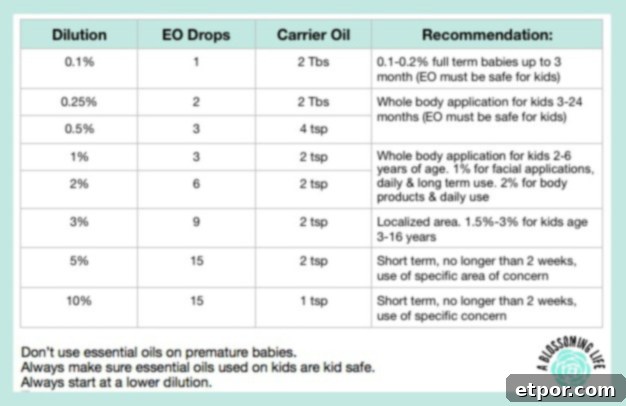
Diluting Essential Oils: Your Essential Oil Dilution Chart
As emphasized, dilution is key to safe and effective essential oil use. The following chart provides general guidelines for diluting essential oils for various applications. Remember that individual sensitivity can vary, so it’s always wise to start with a lower dilution and gradually increase if needed, and always perform a patch test on a small skin area first.
Understanding Carrier Oils: Your Essential Oil Dilution Partners
A carrier oil is a fatty vegetable oil that is used to dilute essential oils before topical application. Carrier oils are crucial for several reasons: they prevent essential oils from evaporating too quickly, enhance their absorption into the skin, and significantly reduce the risk of skin irritation, redness, or burning that can occur when highly concentrated essential oils are applied directly. Furthermore, using a carrier oil makes your essential oils more economical, as a little goes a long way when properly diluted.
When I first started, I thought fractionated coconut oil was the only acceptable carrier oil, and I found it to be a bit expensive. I soon learned that this isn’t true at all! You have a wide variety of excellent carrier oils to choose from. My approach is to keep it simple and use whatever high-quality carrier oil I have on hand that is both affordable and suitable. Avocado oil is often my go-to choice because it’s relatively inexpensive (especially when bought in bulk) and has a very mild, almost undetectable scent, making it versatile for many blends.
Popular Carrier Oil Options:
This list provides some excellent choices, but many other beneficial carrier oils exist. Each offers its own unique properties, some providing additional skin-nourishing benefits:
- Avocado Oil: Rich in vitamins A, D, and E, it’s highly moisturizing and beneficial for dry or mature skin. It has a mild scent.
- Fractionated Coconut Oil: A lightweight, non-greasy, and liquid form of coconut oil that is easily absorbed. It’s odorless and doesn’t stain.
- Olive Oil: A readily available and economical option, though it has a stronger scent that can sometimes interfere with the aroma of essential oils. It’s moisturizing but can be a bit heavier.
- Jojoba Oil: Technically a liquid wax, its molecular structure is very similar to the skin’s natural sebum, making it highly compatible with all skin types, including oily or acne-prone skin. It’s light and non-comedogenic.
- Apricot Kernel Oil: A light, emollient oil rich in vitamins A and E, excellent for sensitive and aging skin.
- Sweet Almond Oil: A popular, versatile, and relatively inexpensive oil that is rich in vitamins and minerals. It’s easily absorbed and leaves skin feeling soft.
Carrier Oils to Avoid: Steer clear of highly processed oils such as mineral oil, corn oil, canola oil, and soybean oil. These oils offer little to no therapeutic benefit, can clog pores, and often undergo harsh chemical processing. If you find these in your pantry, it’s generally best to discard them, as they are not beneficial for consumption or topical use.
*Note: While wonderful for body products, vegetable butters like shea butter and cocoa butter are not considered carrier oils themselves. They are solids at room temperature and are often combined with liquid carrier oils to create rich creams and balms.
Aromatically: The Art of Diffusing Essential Oils
Aromatic diffusion is a delightful and effective way to experience the therapeutic benefits of essential oils. When essential oils are diffused into the air, their volatile aromatic molecules are inhaled, traveling directly to the olfactory system and impacting the limbic system in the brain. This can profoundly influence mood, emotions, and physiological responses, offering benefits such as stress reduction, mood upliftment, improved focus, or respiratory support. Some research even suggests that aromatic diffusion can be more effective for certain therapeutic goals than ingestion, offering a safer and more sustainable way to enjoy EOs.
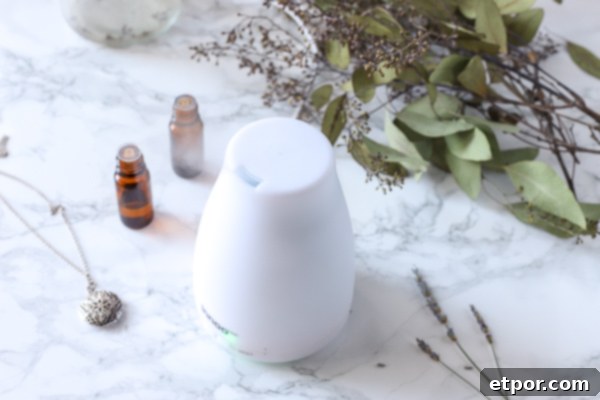
Types of Diffusers:
Ultrasonic Diffusers
The most common and popular type of diffuser, ultrasonic diffusers use high-frequency ultrasonic vibrations to agitate a small disk beneath water. This agitation creates a fine, cool mist that disperses essential oil particles and water vapor into the air. They are quiet, humidify the air slightly, and are great for creating a pleasant aroma and therapeutic atmosphere in a room.
Nebulizing Diffusers
Nebulizing diffusers operate without water or heat. Instead, they use an air pump to atomize pure essential oil into a very fine mist of concentrated oil droplets. This method delivers the most potent aromatic experience, as it disperses undiluted essential oil, offering the highest concentration of therapeutic compounds. Nebulizers are ideal for those seeking strong therapeutic effects, but they use oils more quickly.
Passive Diffusion
Passive diffusion is the simplest method and requires no special equipment. It involves allowing essential oils to naturally evaporate into the air from an absorbent material. Examples include placing a few drops on a cotton ball, a tissue, a wooden ornament, or specialized diffuser jewelry (like necklaces or bracelets made of porous lava beads or felt pads). While less intense than active diffusers, passive diffusion is excellent for personal space aromatherapy or when you need a subtle, continuous release of aroma.
Diffusion Safety Guidelines:
- Always follow your diffuser’s instructions: Each diffuser model may have specific guidelines for water levels, cleaning, and operation.
- Diffuse intermittently: Continuous diffusion is generally not recommended. Use diffusers in short intervals, typically 15-30 minutes on, followed by at least 30-60 minutes off. This prevents overexposure and allows the body to fully process the therapeutic benefits without becoming desensitized.
- Consider your environment and inhabitants: If you are pregnant, breastfeeding, have infants or young children at home, or have medical conditions (especially respiratory issues), always ensure the essential oil you are diffusing is safe for everyone present. Many essential oils are not suitable for use around children or during pregnancy. Refer to dedicated safety resources for specific essential oil recommendations for these groups.
How To Use Essential Oils: Ingestion – A Debatable and Cautious Path
The internal ingestion of essential oils is perhaps the most contentious topic within the aromatherapy community. While some companies and individuals promote the regular ingestion of essential oils, it’s crucial to understand that this practice carries significant risks and is generally not recommended for casual users or without professional guidance. There’s a fundamental difference between ingesting minute amounts of essential oils as natural flavorings in food and consuming larger, therapeutic doses regularly.
In fact, some studies and expert opinions suggest that aromatic diffusion can be equally, if not more, effective for certain therapeutic outcomes than ingestion, without the associated risks. Aromatic use is also a more sustainable way to conserve your essential oils.
I cannot, in good conscience, promote the regular or widespread ingestion of essential oils. These are highly concentrated substances that can be potent and potentially irritating to mucous membranes, the digestive tract, and internal organs, particularly the liver and kidneys, if used improperly or in excessive amounts. If you are seriously considering ingesting essential oils for specific health concerns, I strongly recommend working one-on-one with a qualified and certified aromatherapist who specializes in internal essential oil use and can provide personalized, safe guidance based on your individual health profile.
Even leading essential oil safety expert Robert Tisserand, who authored the definitive guide on essential oil safety, cautions against casual ingestion. He acknowledges that occasional, well-informed internal use for medicinal purposes might be acceptable, but only with precise knowledge of quantity, quality, and specific oil properties. He states:
“What I do believe is that you need to know what you’re doing. You need to know why you’re doing it; what dose you are taking; how long you are going to be taking it for; what the reason is…. If you’re talking about very small amounts as you would use in food flavors – if we’re talking about one or two drops a day – that’s fine, that is OK, but if you’re taking a therapeutic dose of essential oils, if you’re taking 10 drops, 20 drops a day just because somebody told you it was a good idea, it’s not a good idea.” Source

Essential Oil Safety: Prioritizing Well-being
Essential oil safety is a topic I am deeply passionate about, as I frequently encounter instances of improper use. As previously discussed, the debate surrounding essential oil ingestion highlights the varying perspectives on safety. My stance will always err on the side of caution. Remember, essential oils are not simply “natural” products; they are highly concentrated chemical compounds. Just like any potent substance, they have the potential for adverse reactions if not used correctly. Dilution, understanding individual sensitivities, and respecting dosage guidelines are paramount.
If you have any pre-existing medical conditions, are pregnant, breastfeeding, or are using essential oils around children or pets, it is always prudent to seek advice from a qualified medical professional or a certified aromatherapist. Your health and safety should always be the top priority.
Safety With Babies And Kids: Special Considerations
Children constitute a particularly sensitive group, and essential oil use around them requires extra diligence and caution. Their skin is thinner and more permeable, their detox pathways are less developed, and their bodies are generally more sensitive to concentrated substances. Adhering to specific safety rules is non-negotiable:
- Always Dilute Appropriately: Essential oils should always be diluted for children, and the dilution rate must be adjusted based on their age and weight.
- Infants (3-24 months): For whole-body topical application, oils should be diluted to a very low concentration of 0.25%-0.5%, which translates to approximately 1 drop of essential oil per 4 teaspoons of carrier oil.
- Young Children (2-6 years): A dilution rate of 1%-2% is generally recommended for whole-body application, or about 4-5 drops per 2 teaspoons of carrier oil.
- Avoid Topical Use for Babies Under 3 Months: Due to their underdeveloped skin barrier, essential oils should generally be avoided topically for infants under 3 months of age.
- Premature Babies: Essential oils should be completely avoided in premature infants.
Essential Oils to Avoid or Severely Limit with Babies and Kids:
Certain essential oils contain compounds that can be problematic for children, potentially causing slowed breathing (especially around the face or chest) or other adverse reactions. These include:
- Peppermint: Can be cautiously diffused for children aged 3-6 years (about 2 drops in a diffuser), and applied topically at a very low dilution of 0.5% (1 drop per 4 tsp carrier oil). Children aged 6-10 may use peppermint at a 1.5% dilution (approximately 1 drop per teaspoon of carrier oil).
- Rosemary: Should only be used in children older than 6 years of age.
- Eucalyptus (globulus and radiata): Can be diffused (1-2 drops) and applied topically at 0.5% (2 drops per 4 tsp carrier oil) for children aged 6+.
For more detailed information and a comprehensive list of kid-safe essential oils, I highly recommend consulting reputable resources. This article from Mommypotamus is a reliable reference I routinely use. Additionally, brands like Plant Therapy offer a dedicated “KidSafe” line, making it easier for parents to select appropriate oils with confidence (many of which are also safe for breastfeeding mothers).
Pregnancy and Breastfeeding: Exercise Extreme Caution
During pregnancy, essential oils are more than likely to cross the placenta, and their use during this delicate period requires significant caution and, ideally, guidance from a healthcare provider or a certified aromatherapist specializing in pregnancy aromatherapy. The same careful approach applies during breastfeeding, as essential oil components can pass into breast milk.
As always, consult with your medical provider regarding essential oil use throughout pregnancy and breastfeeding. Key guidelines include:
- Limit or Avoid Use: Essential oils should be mostly avoided or used only as absolutely needed, and always at very low dilutions (e.g., 1%) and not on an everyday basis.
- Use for Specific Support: If used, it should be for specific, temporary health support, such as for nausea, anxiety, or minor aches, and always with careful selection of pregnancy/breastfeeding-safe oils.
- Avoid Ingestion, Rectal, or Vaginal Use: Internal or intimate application of essential oils is strongly discouraged during pregnancy and breastfeeding due to potential risks to both mother and baby.
The Best Essential Oils for Beginners: Your Starting Toolkit
Embarking on your essential oil journey can feel overwhelming given the vast array of options. To simplify your start, I’m sharing my top 5 single essential oils that are incredibly versatile, widely beneficial, and generally well-tolerated, making them perfect for beginners:
- Lavender: The quintessential calming oil. Known for its soothing, anti-inflammatory, and skin-healing properties. Excellent for relaxation, sleep support, and minor skin irritations.
- Tea Tree (Melaleuca): A powerful oil supporting the immune system, with strong antibacterial and antifungal properties. Great for skin blemishes, minor cuts, and natural cleaning solutions.
- Lemon (or another citrus like Orange, Mandarin): Uplifting and invigorating. Supports a healthy immune system, brightens mood, and acts as a natural degreaser in cleaning. (Remember photosensitivity for topical use!)
- Peppermint: Offers a distinct cooling sensation. Promotes alertness and focus, helps with head tension, and can soothe digestive discomfort.
- Frankincense: Often called the “king of oils.” Promotes relaxation, supports cellular health, boosts immunity, and is fantastic for rejuvenating aging skin.
In addition to single oils, you might consider starting with a few “synergies” or “blends.” Synergies are expertly crafted combinations of two or more essential oils designed to work together to achieve a specific therapeutic purpose more effectively than individual oils. Many reputable companies offer starter kits that often include these popular single oils and proprietary blends, providing a comprehensive introduction to essential oil use. If you’re interested in starter kits from Doterra or Young Living, feel free to reach out, and I can connect you with experienced representatives who can guide your selection.

My Favorite Essential Oil Synergies/Blends:
These blends offer targeted support for common needs:
- Self Esteem (Plant Therapy): Comparable to Motivate (Doterra) or Valor (Young Living), this blend is uplifting and empowering.
- Germ Fighter (Plant Therapy): Similar to Thieves (Young Living) or On Guard (Doterra). This powerful blend is fantastic for immune support and purifying the air. I frequently use Germ Destroyer (Plant Therapy’s KidSafe version) around my children.
- Calming the Child (Plant Therapy): A gentle blend specifically formulated to help calm and relax children.
- Sniffle Stopper (Plant Therapy): Another KidSafe blend, perfect for supporting clear breathing during seasonal challenges.
My Favorite Single Essential Oils for Specific Needs:
- Copaiba: A remarkable oil known for alleviating sore muscles, providing respiratory support, easing occasional digestive discomfort, boosting immune function, and helping to tighten skin.
- Grapefruit: An incredibly uplifting oil that can help uplift mood, aid in occasional digestive discomfort, balance oily skin, and relieve head and neck tension. (Remember photosensitivity!)
- Clary Sage: Excellent for emotional calming and supporting hormonal balance, especially during the menstrual cycle.
Essential Oils FAQ: Your Questions Answered
What essential oils are good for skin?
Many essential oils offer fantastic benefits for skin health, each with unique properties:
- Frankincense: Renowned for its ability to tone and tighten skin, reduce the appearance of wrinkles and fine lines, making it excellent for aging skin.
- Lavender: Calming and anti-inflammatory, it soothes irritated skin, aids in healing minor blemishes, and reduces redness.
- Geranium: Helps balance oil production, making it beneficial for both oily and dry skin, and can assist in fighting the signs of aging.
- Ylang Ylang: Effective in balancing oily skin and promoting healthy cell turnover, contributing to a youthful complexion.
- Chamomile (Roman or German): Extremely calming and gentle, ideal for dry, sensitive, and irritated skin, helping to reduce inflammation.
- Clary Sage: Can help reduce puffiness and is also excellent for overall hormone balance, which can positively impact skin health.
What essential oils are good for anxiety?
For promoting a sense of calm and reducing feelings of anxiety, consider:
- Lavender: Widely known for its relaxing and sedative properties, promoting tranquility.
- Chamomile (Roman): Deeply soothing, it helps calm the nervous system and reduce emotional tension.
- Grapefruit: Its uplifting aroma can help reduce stress and improve mood.
- Bergamot: A citrus oil known for its mood-enhancing and anxiety-reducing effects, often used to promote emotional balance.
- Vetiver: Known for its grounding and calming properties, it can help stabilize emotions and promote deep relaxation.
- Additionally, many brands offer “Tension Relief” or “Calm” synergy blends specifically formulated for stress and anxiety.
What essential oils help with pain?
Several essential oils possess analgesic and anti-inflammatory properties that can help alleviate various types of pain:
- Frankincense: Known for its powerful anti-inflammatory effects, it can help reduce discomfort associated with muscle and joint pain.
- Lavender: Offers soothing and anti-inflammatory properties, useful for general aches and pains.
- Ginger: Has warming properties that can help soothe muscle soreness and joint discomfort.
- Chamomile (German or Roman): Acts as an anti-inflammatory and muscle relaxant, beneficial for tension and spasms.
- Rosemary: Helps relieve muscle aches, sprains, and stiffness due to its analgesic and stimulating properties.
- Eucalyptus: Both *globulus* and *radiata* varieties are known for their pain-relieving and anti-inflammatory actions, often used in blends for muscle soreness and respiratory relief (source).
- Wintergreen or Peppermint: Provide a cooling sensation that can offer immediate relief from pain and discomfort.
- I also find Copaiba to be exceptionally effective for general pain and inflammation support.
Which essential oils are good for hair?
Many essential oils can nourish the scalp, stimulate hair follicles, and promote healthy hair growth. Here are some favorites, many of which are detailed in my DIY Hair Spray post:
- Lavender: Can significantly increase the thickness of hair by boosting the number of hair follicles (source), and it has calming properties for the scalp.
- Rosemary: A powerhouse for hair, it stimulates hair follicles, increases circulation to the scalp, and is lauded for promoting longer, thicker hair, and even helping with premature baldness and dandruff (source).
- Cedarwood: Helps to stimulate hair follicles, improve circulation in the scalp, and reduce flaky dandruff.
- Peppermint: A notable study demonstrated that peppermint essential oil can significantly increase hair growth, thanks to its invigorating properties.
- Chamomile: Can help soften hair, add natural shine, and soothe an irritated scalp (source).
What essential oil is good for sleep?
To promote restful sleep and relaxation, several essential oils are highly effective:
- Lavender: The most famous sleep aid, known for its powerful sedative and calming effects.
- Chamomile (Roman): Deeply relaxing and soothing, helping to ease tension and prepare the mind for sleep.
- Cedarwood: Offers a grounding, woody aroma that helps calm the mind and promote a sense of security, conducive to sleep.
- Blue Tansy: With a sweet, herbaceous aroma, it’s known for its ability to reduce feelings of anxiousness and promote tranquility.
- Clary Sage: A wonderful oil for relaxing the mind and body, especially when stress or hormonal imbalances interfere with sleep.
- You can also explore ready-made synergy blends specifically formulated for sleep, such as “Sleep Aide,” “Nighty Night,” or “Sweet Dreams” from various brands.
Which essential oils are toxic to dogs?
The topic of essential oils and pets is complex and often debated. While some argue that the amount and method of use are key, it’s generally recommended to exercise extreme caution or avoid certain oils around dogs. According to various veterinary sources, oils to avoid or use with extreme care include: Tea Tree (Melaleuca), Cinnamon, Citrus oils (Lemon, Orange, Grapefruit, Bergamot), Pennyroyal, Pine, Sweet Birch, Wintergreen, and Ylang Ylang. While some suggest that certain oils like Tea Tree require large amounts to be truly toxic, it’s safer to err on the side of caution and consult with a holistic veterinarian.
Which essential oils are toxic to cats?
Cats are particularly sensitive to essential oils due to their unique liver metabolism, which lacks certain enzymes needed to break down essential oil compounds, especially phenols. This means even small amounts can be toxic. The same veterinary sources often list a broader range of oils as toxic to cats, including: Cassia, Cinnamon, all Citrus oils (Lemon, Lime, Orange, Grapefruit, Bergamot), Clove, Eucalyptus, Lavender, Peppermint, Spruce, Tea Tree, and Thyme. Always keep essential oils out of reach of cats and avoid diffusing them in areas where cats cannot easily escape the aroma.
Can essential oils be dangerous?
Yes, like any potent substance, essential oils have the potential to be dangerous if not used properly. While the chance of a severe reaction is generally low when used appropriately (diluted, correct dosage, suitable application method), it’s crucial to understand their potency. Misuse, such as applying undiluted oils to skin, ingesting large quantities, or using them around sensitive populations (babies, pregnant women, pets) without proper guidance, can lead to adverse effects ranging from skin irritation and allergic reactions to more serious internal damage. Always take extra precautions, educate yourself thoroughly, and consult professionals when in doubt. Respect for their concentration and therapeutic power is key to safe and beneficial essential oil use.
Have you embarked on your own essential oil journey? What are your favorite oils to use, and how have they impacted your daily life? Share your experiences!
This post was updated in February 2019.